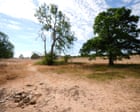
When the skies finally open and rain drenches parched British soil, everyone breathes a sigh of relief. Lawns green up, reservoirs creep back toward normal levels, and the immediate panic fades from the headlines. But beneath the surface, the crisis is far from over. The UK government has made it clear that the ecological shockwaves from prolonged dry spells and soaring temperatures will reverberate through British wildlife populations for years.
You can't fix an ecosystem simply by waiting for a heavy downpour. Once a landscape dries out to the bone, the damage runs deep into the food web, touching everything from chalk stream fisheries to migratory birds and ancient woodlands.
The Slow-Motion Collapse of Freshwater Habitats
Rivers and wetlands bear the brunt of prolonged dry weather, and their recovery doesn't happen overnight. When river flows drop to a trickle, water temperatures spike and oxygen levels plummet. For species like Atlantic salmon and sea trout, low water levels act as an impassable barrier. They can't migrate upstream to their spawning grounds, forcing them to bunch up in shrinking, vulnerable pools where disease spreads rapidly and predators pick them off with ease.
It's not just the big fish that suffer. Freshwater invertebrates, which form the bedrock of the entire aquatic food chain, get wiped out when shallow margins dry up completely. Even when the water returns, these microscopic populations take years to re-establish themselves. Without them, insect-eating birds and mammals find their hunting grounds stripped bare.
Stressed Trees and Fragile Ecosystems
Terrestrial habitats take an equally brutal beating. Ancient trees and native woodlands across England and Wales are experiencing severe moisture stress, leading to premature leaf drop, dieback, and an increased susceptibility to fungal diseases. When mature trees suffer, the entire microclimate changes. Canopy cover shrinks, exposing the forest floor to harsher sunlight and evaporating the remaining moisture from the soil.
Ground-nesting birds and amphibians face similar bottlenecks. If seasonal ponds and marshes dry out before tadpoles can mature, entire generations of species like the great crested newt are wiped out in a single season. These localized extinctions leave gaps in the local food web that can take a decade or more to naturally reverse, assuming the habitat isn't hit by another dry summer in the interim.
Why Short-Term Fixes Fail Nature
The core problem with how society handles drought is our obsession with human water supply at the expense of everything else. Water companies scramble to protect taps from running dry, often relying on emergency measures that strip even more water from already exhausted natural systems. Regulatory bodies report a surge in environmental incidents—ranging from illegal water abstraction to pollution spikes—as low river volumes concentrate toxins to lethal levels.
If we want wildlife to weather these intensifying climate shocks, policy needs to shift from reactive panic to long-term catchment management. That means restoring natural floodplains, re-wiggling straightened rivers to slow down water retention, and holding moisture in the landscape before it flushes out to sea. Until water is managed as a vital ecological asset rather than an endless commodity, Britain's natural heritage will remain on life support.


