Keir Starmer just drew a hard line in the sand, and it’s not where Donald Trump expected. Britain won't join the U.S. blockade of the Strait of Hormuz. While Washington is busy ramping up "maximum pressure" on Tehran, London is effectively saying "count us out." It’s a bold move that highlights a massive rift in how the West plans to handle a crumbling Middle East.
The U.S. President announced a total naval blockade after peace talks in Islamabad fell apart over the weekend. He wants to stop any ship from entering or leaving Iranian ports. But Starmer told the House of Commons today that he has no intention of dragging the UK into another war. His reasoning? National interest and the soaring cost of living at home. Meanwhile, you can read similar stories here: The Dark Silence at Buchenwald and the Breaking of Germany’s Cultural Consensus.
The cost of a closed corridor
You might wonder why Starmer is being so stubborn about this. It's because the Strait of Hormuz is basically the jugular vein of the global energy market. About 20% of the world's total oil consumption passes through that narrow strip of water every single day. If it stays shut, or if a blockade turns into a full-blown naval war, your energy bills in Birmingham or Bristol aren't just going up—they’re going to explode.
Starmer's focus is on "freedom of navigation." That’s diplomatic speak for keeping the trade lanes open so the economy doesn't tank. The U.S. wants to use the Strait as a weapon to starve the Iranian regime. Britain, on the other hand, wants to use it as a road to keep global markets stable. It's a fundamental disagreement about what "security" actually looks like in 2026. To see the bigger picture, we recommend the excellent article by USA Today.
A different kind of coalition
Don't mistake this for pacifism. Britain isn't leaving the region; it's just changing the strategy. Starmer is working with France and a group of about 40 other nations to build a separate coalition. They aren't interested in Trump's blockade. Instead, they’re looking at:
- Deploying mine-hunting systems and anti-drone tech to protect merchant ships.
- Co-hosting a summit this week to plan a "coordinated, independent, multinational" protection force.
- Pushing for a negotiated end to the conflict rather than a military stranglehold.
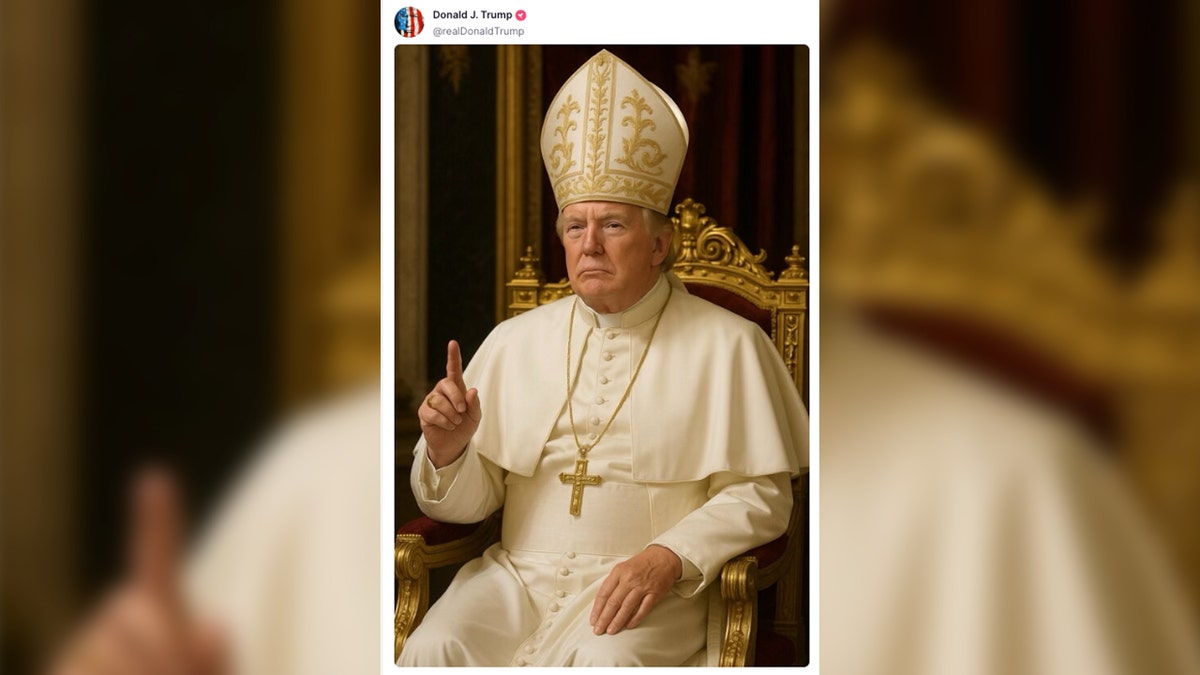
The UK already has mine-hunting assets in the area. Trump even claimed on social media that the UK was sending "mine sweepers" to help his blockade. Starmer was quick to correct that narrative. Those ships are there for defense, not to enforce an American-led siege. It's a subtle but massive distinction.
Why the UK is breaking ranks
Honestly, the UK's refusal to follow Washington is about more than just oil. It's about a shift in British foreign policy. For decades, the UK has been seen as the "junior partner" to the U.S. in the Middle East. Starmer is trying to kill that perception. He mentioned that the world has "utterly changed" and is more volatile than at any point in his lifetime.
He’s looking at the scars of the 2008 crash, Brexit, and the disaster of the Truss era. He doesn't want another "forever war" on his resume. By aligning with France and European partners instead of the U.S., he's signaling that Britain’s future security lies in regional stability and European cooperation, not just following the White House into every fight.
What happens next
The U.S. blockade officially began on Monday. We’re already seeing oil prices spike. If you're watching the markets, expect volatility to be the only constant for the next few weeks. The real test comes when an Iranian vessel—or a ship carrying Iranian oil—challenges the U.S. line. If the U.S. Navy opens fire, Starmer's "calm but strong" stance will be tested to the limit.
For now, the UK's next steps are purely diplomatic and defensive. Watch for the results of the London summit this week. That’s where we’ll see if Starmer can actually pull off this balancing act. He needs to keep the U.S. as an ally while simultaneously ignoring their biggest military demand in the region. It's a high-stakes game of maritime chess.
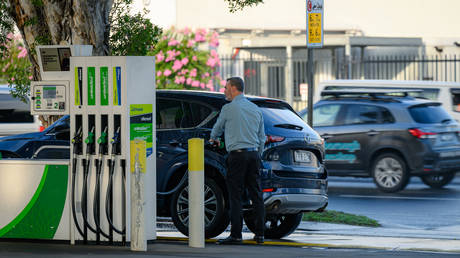
If you're worried about how this hits your wallet, keep an eye on the "freedom of navigation" talks. If Starmer and his European partners can’t get the Strait fully reopened soon, the blockade—even without British help—will keep pushing inflation higher. Britain is staying out of the fight, but it can't escape the fallout.