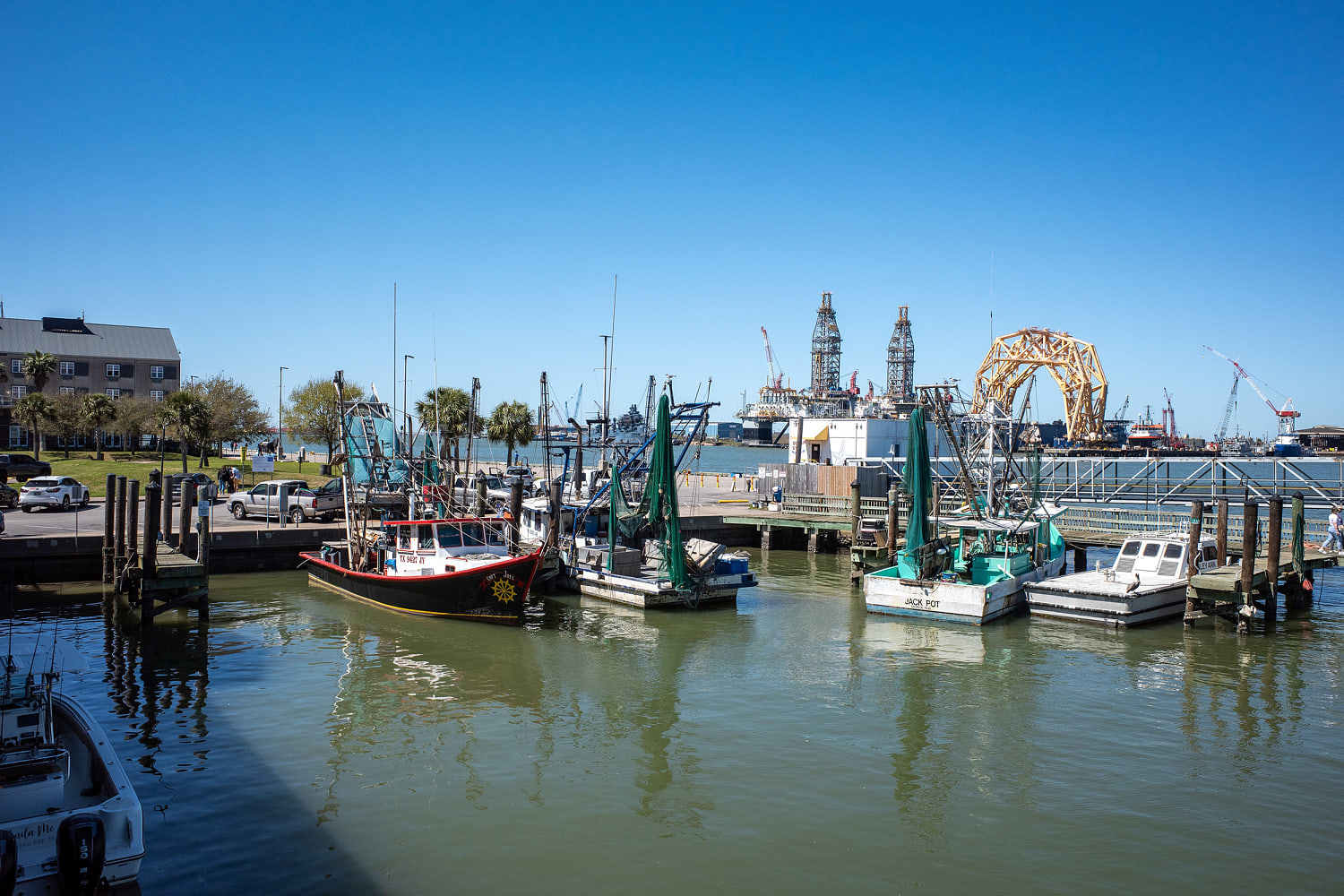
Pulling a shark out of the ocean and onto a recreational fishing boat is a massive mistake. A 17-year-old boy learned this the hard way on Memorial Day Monday, turning a holiday fishing trip into an absolute nightmare miles offshore from Galveston, Texas.
The teenager was boating roughly two hours out in the Gulf of Mexico with his father and another person. Around 3:15 p.m., what started as a typical deep-sea fishing excursion went entirely sideways. According to reports from the Galveston County Sheriff's Office and the U.S. Coast Guard, the teen was bitten by a shark while attempting to pull the animal directly onto the vessel.
The shark didn't just nip him. It left the boy with severe, life-threatening injuries and heavy bleeding. If you think a hooked shark is a defeated shark, you don't understand how these predators operate.
Minutes Matter When a Fishing Trip Turns Bloody
When an apex predator bites you hours away from the dock, your survival depends entirely on immediate first aid and sheer luck. In this case, the teen's father didn't panic. He immediately applied a tourniquet to his son's wound to stem the massive blood loss. It was a move that likely saved the boy's life.
The group slammed the throttle forward and headed back toward the Galveston Yacht Basin. Then, a second disaster struck. The boat engine failed.
The vessel became completely disabled near the Galveston jetties, leaving them stranded in open water with a bleeding teenager. The Galveston County Sheriff's Office scrambled and looped in the U.S. Coast Guard for an emergency intercept.
The Coast Guard Intercept Near the Jetties
Coast Guard rescue crews managed to reach the stalled boat just in time. Rescuers quickly assessed the injury and applied a second tourniquet to secure the wound. They transferred the conscious but seriously injured teen and his father onto a rescue craft, racing them back to land where EMS personnel were waiting.
The teenager was rushed to the University of Texas Medical Branch (UTMB) in Galveston. While authorities haven't released specific details about the type of shark or the exact nature of the lacerations, officials confirmed the boy was alert and fighting for his life during the transport.
What Most People Get Wrong About Hooked Sharks
Anglers make the mistake of treating a hooked shark like a trophy reef fish. It's a dangerous mindset.
Sharks are composed almost entirely of muscle and cartilage. They possess incredible flexibility, allowing them to bite their own tails if grabbed improperly. When you drag a shark into the tight, confined space of a boat deck, it enters a thrashing frenzy driven by pure survival instinct.
Biologists from the Texas Parks and Wildlife Department continually warn that a shark on a line is still fully capable of lethal defense. The jaw mechanism of species common to the Texas coast, like bull sharks and tiger sharks, can snap shut with hundreds of pounds of pressure per square inch even when the animal appears exhausted.
The Absolute Rules of Handling Sharks Offshore
If you hook a shark while fishing in the Gulf, you need to follow strict safety protocols to keep your crew intact.
- Cut the line early: Unless you're an experienced angler targeting legal species for harvest with proper heavy-duty equipment, the safest move is to cut the leader as close to the hook as possible while the shark is still in the water.
- Never bring them aboard alive: Bringing an unrestrained, live shark over the gunwale of a recreational boat invites disaster.
- Keep a tourniquet in your marine first-aid kit: Mechanical failures happen, as this family experienced. Having a tactical tourniquet on board and knowing how to use it is the difference between a close call and a fatality.
- Differentiate beach risk from offshore reality: The Galveston Beach Patrol issued a statement emphasizing that this incident happened miles away from shore and had zero connection to beach swimming activities.
When you head past the jetties, you're entering an ecosystem where you aren't at the top of the food chain. Treat the wildlife with respect, cut the line when you're outmatched, and never invite a predator into your boat.