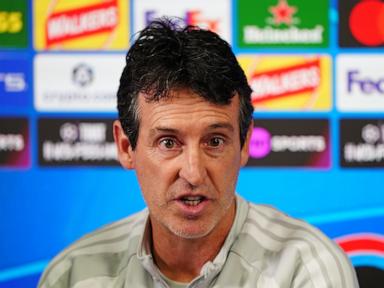
Winning away at Manchester City used to feel like a statistical impossibility for Brighton & Hove Albion. For decades, trips to Manchester—first Maine Road, then the Etihad Stadium—meant returning to the south coast empty-handed or grateful for a rare point. That drought ended on Halloween afternoon in 2026.
Brighton walked out of the Etihad on October 31, 2026, with a 1-0 Premier League victory, marking their first-ever away league win against Manchester City. Yasin Ayari scored the only goal in the 11th minute, and Fabian Hurzeler’s side spent the remaining eighty-plus minutes absorbing relentless pressure to claim all three points.
Most match reports treated this like a classic smash-and-grab upset. They're missing the bigger picture. Look closely at the numbers, the lineups, and the context around that afternoon in Manchester, and you realize Brighton didn't get lucky—they executed a blueprint that exposed real vulnerabilities in the league leaders.
What Actually Happened at the Etihad on October 31
If you only glance at the possession column, you'd assume Manchester City dominated from start to finish. City held 61 percent of the ball and fired 19 shots toward Brighton's goal. Brighton managed just 39 percent possession and seven total shots.
Numbers lie when you ignore shot quality and defensive structure.
Brighton struck early when Maxim De Cuyper set up Yasin Ayari in the 11th minute, a finish that survived a VAR check and silenced the 60,503 fans packed into the Etihad. From that moment on, Brighton didn't chase the ball blindly. They compressed central spaces, forced City wide, and turned their penalty box into a wall.
Bart Verbruggen made six saves to preserve the clean sheet. In front of him, captain Lewis Dunk and young centre-back Luka Vušković organized a back line that racked up 21 clearances, 12 interceptions, and eight blocked shots. City took 19 attempts, yes, but seven were blocked before reaching Verbruggen and six sailed off target.
Erling Haaland was restricted to a single shot across ninety minutes. When a defense holds Haaland to one sight of goal at his own stadium, that's not luck. That's tactical discipline.
Revenge Served Three Days Later
Context makes the result even sweeter for anyone following Brighton's season. Just three days earlier, on October 28, 2026, these exact two clubs met at the Etihad in the fourth round of the EFL Cup. Brighton fought to a 2-2 draw over normal time before losing 4-3 in a penalty shootout.
Many teams would leave Manchester deflated after losing on penalties midweek, especially with a Saturday afternoon league fixture looming at the same venue. Instead, Hurzeler adjusted. Brighton conceded three yellow cards—to Chema Andrés, Maxim De Cuyper, and Pascal Groß—disrupting City's rhythm whenever the hosts tried to accelerate through midfield.
The Financial Gap Makes Brighton's Win Even Wilder
You can't talk about this match without talking about money. Modern Premier League football often feels like an accounting competition disguised as sport, yet Brighton keep breaking the formula.
Yasin Ayari, the 23-year-old Swedish midfielder who decided the match, cost Brighton around £3.5 million when they recruited him. On October 31, he lined up directly against a Manchester City midfield trio of Enzo Fernández, Ayyoub Bouaddi, and Elliot Anderson—a unit assembled for vastly higher transfer fees.
Meanwhile, Brighton's starting eleven blended seasoned leaders like Dunk and Pascal Groß with emerging talents like 19-year-old defender Luka Vušković and teenage forward Charalampos Kostoulas. City threw Phil Foden, Rayan Cherki, and Nico O'Reilly off the bench in the second half searching for an equalizer, and Brighton countered with fresh legs of their own in Mats Wieffer, Jack Hinshelwood, and Georginio Rutter.
Brighton's recruitment model has earned plenty of praise over the years, sometimes to the point of cliché. Still, watching a £3.5 million signing outmaneuver one of the most expensive squads in world football proves the scouting department isn't slowing down.
Decades of Waiting Ended in Ninety Minutes
To appreciate why Brighton supporters celebrated so fiercely in the away end, you need to look at the club's grim history in Manchester.
Brighton had beaten Manchester City at home plenty of times over the decades—including a famous 4-1 First Division win at the Goldstone Ground in 1979, a 4-0 FA Cup thrashing in 1983, and home Premier League victories in 2021, 2024, and 2025. Away from home in league play, though, Manchester was cursed territory.
Before October 2026, Brighton's previous away league meetings against City stretched back through the Premier League era and into the old First and Second Divisions without a single win:
- Premier League era pain: Between 2017 and early 2026, Brighton visited the Etihad nine times in the league, losing seven and drawing twice (a 2-2 draw in March 2025 and a 1-1 draw in January 2026). Early visits ended in heavy defeats like 4-0 in 2019 and 3-0 in 2022.
- Maine Road misery: Go back to the 1970s and 1980s at City's former home, and the story looks identical—3-2 and 4-0 defeats in the top flight, alongside a 2-1 Second Division loss in September 1988.
Every streak eventually snaps, usually when people least expect it. Breaking a hoodoo against a Pep Guardiola-era powerhouse on their own turf doesn't just add three points to the table; it removes a psychological ceiling from the dressing room.
Why Manchester City Looked Vulnerable
Let's be honest about Manchester City's side of the story, because ignoring their slump distorts the analysis. That 1-0 loss to Brighton handed the Premier League leaders their second consecutive league defeat.
City completed 484 of 551 passes at an 87 percent accuracy rate, yet their circulation lacked bite in the final third. Iliman Ndiaye took four shots—more than anyone else on the pitch—while Jérémy Doku, Matheus Nunes, and Enzo Fernández managed just one effort apiece. Gianluigi Donnarumma only had to make two saves in City's goal, which tells you how comfortable City looked defensively until they had to break down a low-to-mid block.
When teams sit compact against City without panicking after early transitions, City's rebuilt midfield can look overly patient. Brighton exploited that exact hesitation. They scored first, forced City to chase against a set defense, and never gave Doku or Haaland open grass to run into.
Where Both Clubs Go From Here
One landmark win doesn't hand Brighton a trophy, and November's subsequent 2-0 defeat at Hull City showed how quickly Premier League momentum can swing if intensity drops. Even so, winning at the Etihad alters how opponents prepare for Brighton and how Brighton view themselves.
If you're tracking this rivalry or analyzing Brighton's campaign over the coming months, pay attention to three specific threads:
- Watch Brighton's away template against top-six sides. When Hurzeler drops his defensive block slightly deeper and trusts Verbruggen plus his center-backs to win aerial duels, Brighton become much harder to transition against. Check their upcoming away fixtures to see if they stick with this pragmatic approach rather than overcommitting numbers forward.
- Track Yasin Ayari's goal contributions from midfield. Ayari followed up his October strike against Crystal Palace with the winner at the Etihad. If he keeps arriving late in the box while Pascal Groß controls tempo from deeper zones, Brighton have a genuine goal threat from central midfield.
- Circle January 23, 2027 on your calendar. That's when Manchester City travel south to the American Express Stadium for the reverse Premier League fixture. City have already lost their last two league trips to Falmer (2-1 in November 2024 and 2-1 in August 2025), meaning Brighton have a realistic shot at completing their first-ever league double over City.