The era of the "King Dollar" isn't over, but it’s definitely getting a reality check from the East. For decades, if a developing nation wanted to build a bridge or a power plant, they had to go hat in hand to Washington-based institutions and borrow in U.S. dollars. That’s a massive gamble. If the Federal Reserve hikes rates or the dollar spikes, those local projects suddenly become twice as expensive to pay back.
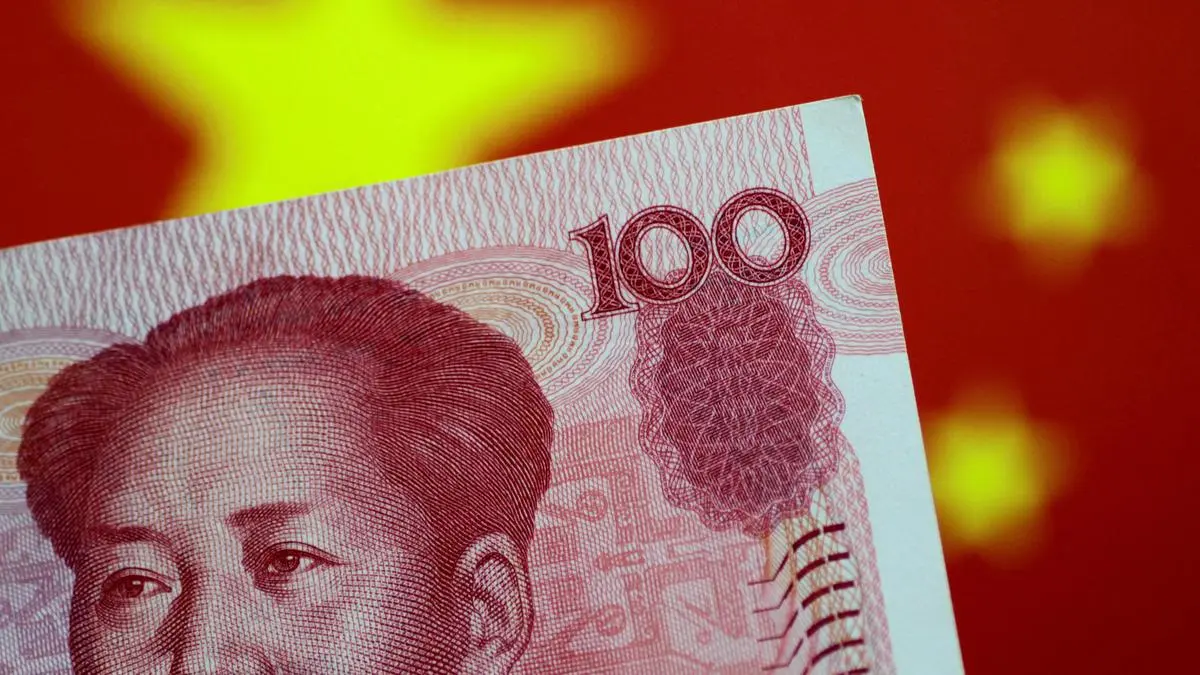
Enter the New Development Bank (NDB), often called the BRICS bank. Headquartered in Shanghai and led by former Brazilian President Dilma Rousseff, the NDB is aggressively pushing a different path: borrowing in Chinese yuan. It’s not just a political middle finger to the West. It's a calculated move to protect the "Global South" from the whiplash of Western monetary policy.
The Problem With Borrowing in Dollars
Most people don't realize how much currency risk kills infrastructure. Imagine you're a municipality in South Africa or a logistics firm in India. You take out a loan in dollars to build a rail line. Your revenue, however, is in Rand or Rupees. If the dollar strengthens by 20%, your debt effectively grows by 20% overnight through no fault of your own.
This isn't a theoretical "what-if" scenario. It’s exactly what has crippled emerging economies for fifty years. The NDB’s strategy is simple: align the currency of the debt with the currency of the project. Since China is the largest trading partner for most of the Global South, the yuan (or renminbi) is the most logical alternative.
By the end of 2025, the NDB had already pushed its local-currency financing to around 22% of its total portfolio. Their stated goal? Getting that number to 30% by the end of 2026. This isn't just about "de-dollarization" headlines; it’s about basic financial survival for developing nations.
Why the Yuan is the Weapon of Choice
You might wonder why they're picking the yuan over, say, the Brazilian real or the Russian ruble. Honestly, it’s about liquidity and stability. The yuan is the only non-dollar currency with the weight to handle massive infrastructure flows.
- Panda Bonds: The NDB has been a prolific issuer of "Panda Bonds"—yuan-denominated bonds sold by foreign entities in China’s onshore market. In early 2025, they priced a massive 8.5 billion yuan bond. This gives them a huge war chest of cash to lend out without ever touching a U.S. clearing house.
- Trade Alignment: If you're buying Chinese turbines for a wind farm or Chinese steel for a port, it makes zero sense to exchange your local currency for dollars just to exchange those dollars for yuan to pay the supplier.
- Sanction Insurance: After seeing Russia get frozen out of the SWIFT system, every country in the Global South is looking for a "Plan B." The yuan provides a parallel rail that Washington can't easily switch off.
Projects Hitting the Ground in 2026
This isn't a pipe dream. The NDB is already cutting checks. In early 2026, we saw approvals for projects like the Yunnan Yuxi International Logistics Port in China and massive rail infrastructure renewals in South Africa. These aren't just entries on a spreadsheet; they're high-speed transit lines and water treatment plants that are increasingly funded through non-dollar channels.
The bank's "Investor Presentation" from February 2026 shows a subscribed capital of $53.3 billion. They aren't the World Bank yet, but they're big enough to move the needle. They’ve even started bringing in new members like the UAE, Egypt, and Bangladesh to broaden the pool beyond the original five BRICS founders.
The Catch Nobody Wants to Talk About
Is the yuan a perfect solution? No. The biggest risk is that countries swap a dependence on the U.S. dollar for a dependence on the Chinese yuan. India, for instance, has been very vocal about this. They don't want to help China's currency become the new hegemon. That’s why you see India pushing for Rupee-based trade, even if it's harder to pull off.
There’s also the issue of capital controls. China still keeps a tight grip on how money moves in and out of the country. For the NDB to truly rival the IMF or the World Bank, the yuan needs to be more than just a "funding currency"—it needs to be a currency that people are comfortable holding long-term without fearing a sudden policy shift from Beijing.
Real Steps for the Global South
If you're a business leader or a policy maker in an emerging market, the shift is clear. You can't ignore the NDB anymore.
- Audit your currency exposure: If 90% of your debt is in USD but your growth is in local markets, you're sitting on a ticking time bomb.
- Explore Panda Bond markets: Even if you don't borrow from the NDB, the infrastructure they're building for yuan-settlement is making it easier for private firms to tap into Chinese liquidity.
- Watch the digital yuan (e-CNY): As of 2026, China is offering interest incentives for using its digital currency in international settlements. This will likely be the next frontier for the NDB's lending.
The shift toward yuan funding isn't a "replacement" of the global system—it's the creation of a backup drive. For the Global South, having two options is infinitely better than having one. The NDB is proving that you don't need a greenback to build a green economy.