The frost on the windshield of a delivery truck idling at the crossing in Windsor does not care about tariffs. It does not care about speech transcripts, focus groups, or the cadence of a stump speech delivered to an arena of restless voters three states away. It only cares about the temperature.
Inside the cab, the driver rubs his hands together, staring at a sheet of paperwork that feels heavier than it did a month ago. Every line item represents an agreement hammered out across decades, a shared geography of steel, timber, and grain that people on both sides of the line stopped noticing because it worked too well.
Politics loves a boundary. Commerce hates one.
When policy shifts from a dry legislative brief into a looming trade dispute involving northern neighbors, the shockwaves do not register first on Wall Street ticker tapes. They hit the floor of a manufacturing plant in Michigan where stamped metal parts sit waiting for clearance, or the ledger of a family farm in Iowa calculating whether next season's fertilizer costs will swallow the margin whole. For candidates navigating the jagged terrain of a modern campaign trail, these shifts present a sudden, sharp dilemma. Do you lean into the adrenaline of economic protectionism, or do you quietly reckon with the collateral damage piling up at the customs gate?
Consider what happens when trade rhetoric becomes reality.
Imagine Sarah, a logistics coordinator who has spent fifteen years moving automotive components back and forth across the Detroit River before the morning shift even pours its second cup of coffee. To Sarah, supply chains are not abstract diagrams in an economics textbook. They are living, breathing webs of timing and trust. When a new round of trade friction is announced, her phone lights up with anxious suppliers asking the same frantic question. What does this mean for Tuesday?
She cannot answer them with political theory. She has to answer them with logistics.
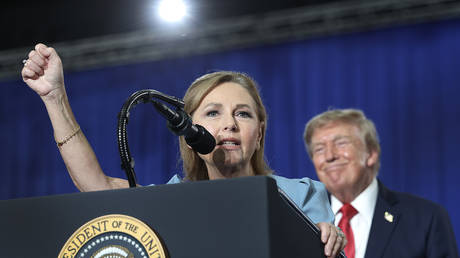
The political calculus behind these disputes is as old as elections themselves. Protectionist measures offer a powerful narrative of self-reliance. They evoke an era when borders felt impermeable and domestic industries stood untouched by global tremors. For a candidate standing before a crowd hungry for security, promising to rewrite trade pacts and challenge longtime allies is a reliable applause line. It sounds resolute. It sounds like strength.
But gravity has a way of complicating political theater.
Canada is not a distant overseas competitor tucked behind an ocean. It is the largest trading partner for a vast swath of the American heartland. Millions of jobs depend on the seamless, almost invisible integration of two economies that share not just a border, but an industrial lineage. When tariffs are floated or renewed, the friction is immediate. Steel meets resistance. Lumber prices climb. Consumers, often without realizing why their grocery bill or home repair estimate just ticked upward, pay the difference.
Politicians on the campaign trail find themselves walking a narrow ridge. On one side lies the fervent base demanding economic nationalism, eager to see a fight picked with trading partners. On the other side stands the business community, whispering warnings about retaliatory measures that could choke off exports and strand finished goods in warehouses.
It is a balancing act performed on a tightrope greased with uncertainty.
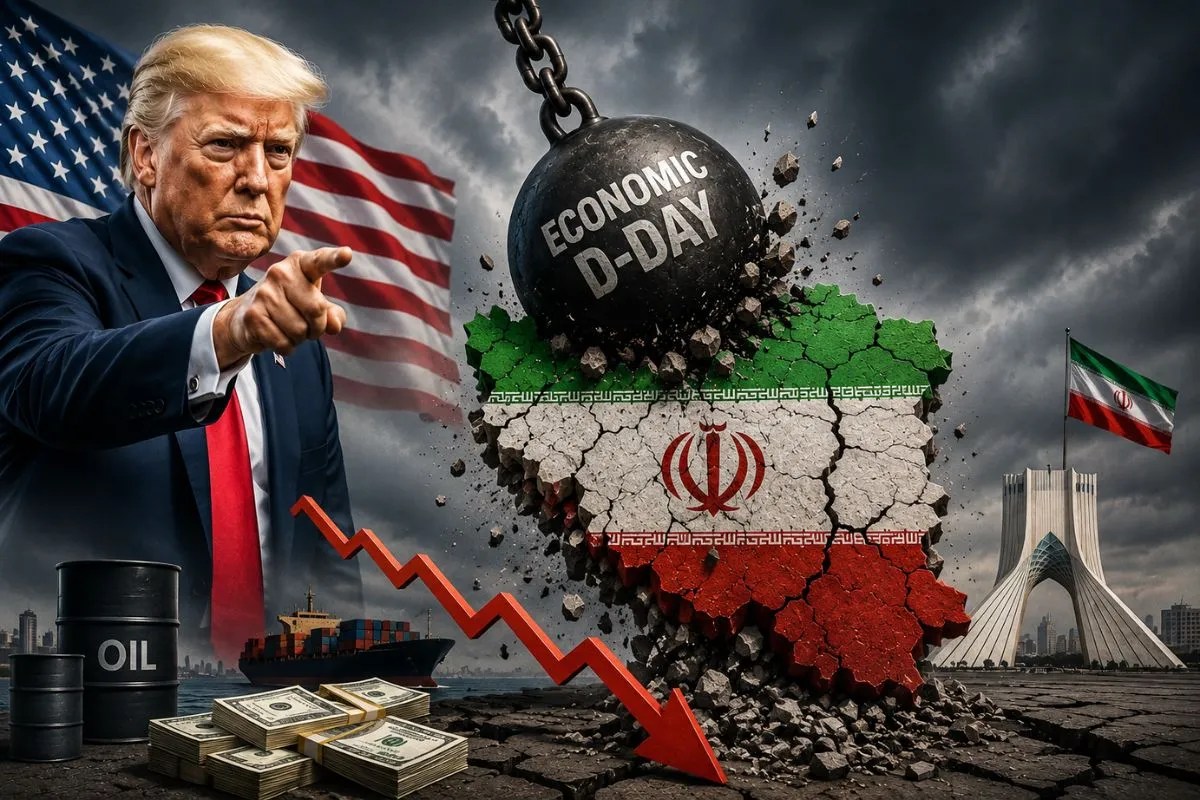
The danger of turning trade policy into campaign weaponization is that it treats delicate economic ecosystems like blunt instruments. Economies do not pivot on command. They bruise. When retaliatory tariffs target specific agricultural regions or manufacturing hubs to send a political signal, the blowback lands squarely on ordinary people who had no seat at the negotiating table.
We have seen this script before. The actors change, the podiums get sharper lighting, but the underlying tension remains identical. A policy designed to project power outward often boomerangs inward, creating unexpected dilemmas for candidates who suddenly have to explain to local business leaders why their export market has evaporated overnight.
Voters are remarkably astute at sensing the gap between campaign rhetoric and lived reality. You can tell a rally crowd that a renewed trade conflict will solve complex structural challenges, but when the local hardware store owner has to explain why imported lumber costs fifty percent more, the abstraction dissolves. People live in the specific. They experience policy through the price of gas, the stability of their shift work, and the predictability of their weekly budget.
The real test for candidates isn't how fiercely they can posture against a northern neighbor during a debate. It is whether they possess the foresight to recognize that modern prosperity is a web, not a fortress. Every time a trade barrier goes up, a thread snaps somewhere down the line, pulling tension into homes and businesses far removed from the capital.
The truck in Windsor finally shifts into gear, its tires crunching over the frozen pavement as it inches forward toward the inspection booth. The driver glances once more at the papers on his dash, sighs, and taps the steering wheel. The border is right there. So are the consequences. And the campaign trail is still a long way from home.