The sound of explosions in Kabul isn’t just noise. It’s a signal. When blasts rocked the Afghan capital recently, they didn't happen in a vacuum. They coincided with a sharp, dangerous escalation of cross-border skirmishes between Afghan and Pakistani forces. If you’re trying to make sense of why these two neighbors are trading artillery fire while the city of Kabul shakes from internal attacks, you have to look past the surface-level reports. This isn't just a border dispute. It's a fundamental breakdown of a relationship that many expected to stabilize after 2021. It didn't.
Most people assume the Taliban and Pakistan are natural allies. That’s a mistake. The reality on the ground is far messier. The recent flashes of violence along the Durand Line—the 2,600-kilometer border that Afghanistan has never officially recognized—show a growing resentment. While the world watches the geopolitical shifts in Ukraine or the Middle East, this specific corner of South Asia is quietly turning into a powder keg.
The Reality Behind the Kabul Blasts
When you hear about "blasts" in Kabul, the first question is always: who did it? In the latest string of incidents, the atmosphere in the city has been one of high tension. These explosions often target high-security zones or areas frequented by officials. While the Islamic State Khorasan (IS-K) frequently claims responsibility for urban carnage to undermine the Taliban’s claim of providing "total security," the timing here is what matters.
Internal instability in Kabul often mirrors external pressure on the borders. When the Afghan central government—currently the Taliban—finds itself locked in a physical confrontation with Pakistan, domestic security often slips. It’s a classic distraction. Security forces are diverted to the Kunar, Nangarhar, or Khost borders, leaving the capital’s underbelly exposed to insurgent cells.
The blasts aren't just about killing people. They're about optics. They tell the Afghan public that the current "Emirate" can’t protect the heart of the country while fighting a "brotherly" Islamic neighbor. It’s a pincer movement of chaos.
Why the Afghan Pakistani Border Is Screaming for Attention
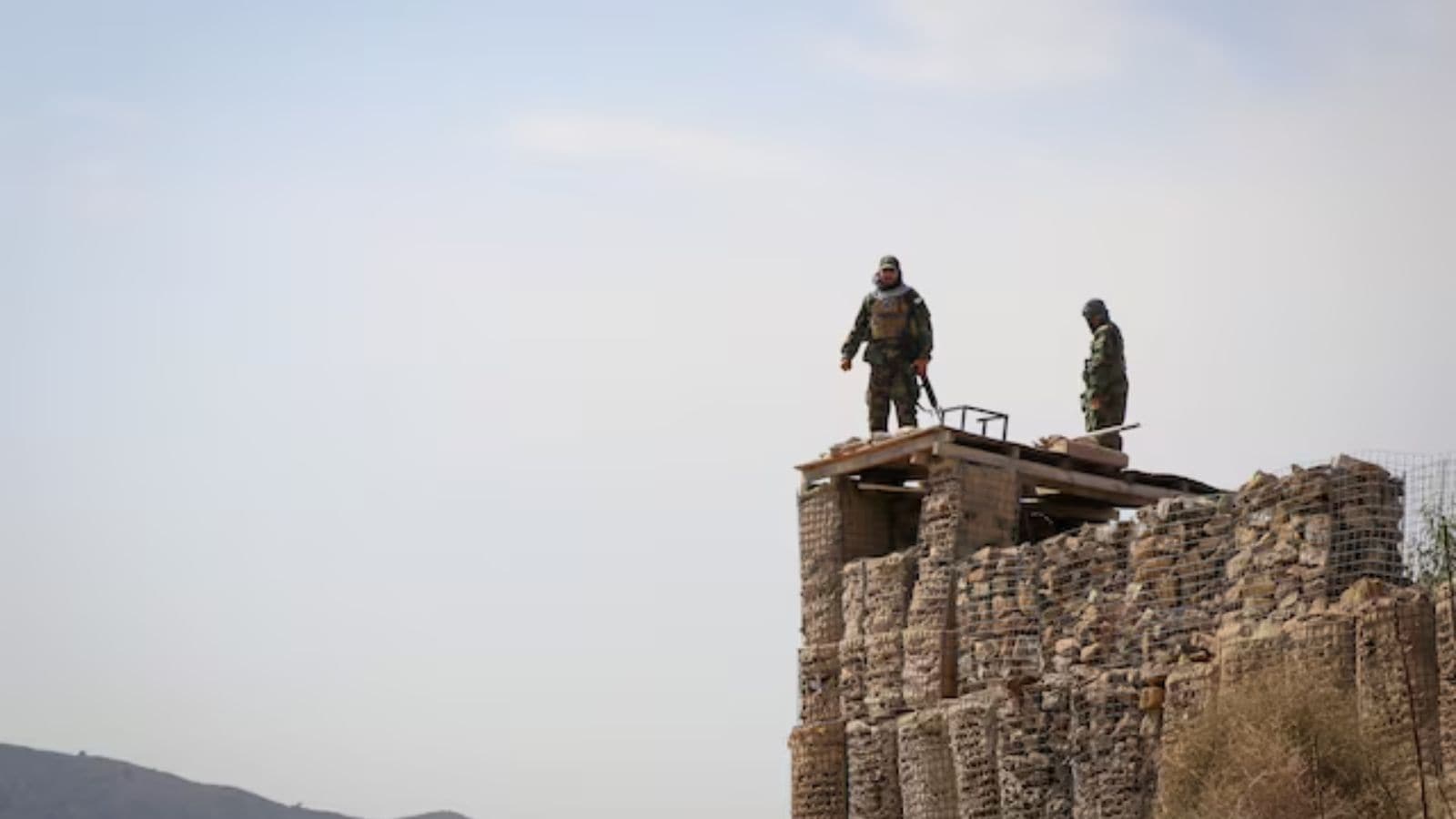
The clashes at the border aren't small tiffs. We're talking about heavy weaponry. Mortars. Heavy machine guns. In recent weeks, the fighting has centered on the Dand-e-Patan district and other flashpoints where the Pakistani military is trying to fence the border.
Pakistan wants that fence. They see it as a necessity to stop the Tehrik-i-Taliban Pakistan (TTP), often called the Pakistani Taliban, from launching attacks into Pakistan and then retreating into Afghan sanctuaries. On the flip side, the authorities in Kabul see the fence as an colonial relic. To them, the Durand Line is an imaginary stroke of a British pen that divides the Pashtun heartland. They won't stand for it.
The TTP Factor
You can't talk about this conflict without mentioning the TTP. This is the biggest wedge between the two nations.
- Pakistan’s Stance: They believe the Afghan Taliban is harboring TTP militants who kill Pakistani soldiers.
- Afghanistan’s Stance: They deny providing official support, often telling Pakistan to "fix their own internal security" instead of blaming Kabul.
This blame game has turned lethal. Pakistan has previously conducted airstrikes inside Afghan territory, specifically in Khost and Kunar provinces, to hit TTP hideouts. When that happens, the Afghan border guards fire back. It’s a cycle that doesn't have an easy exit ramp.
Misconceptions About the Alliance
There’s a common narrative that Pakistan "won" when the Taliban took over in 2021. That narrative is dead. The "strategic depth" Pakistan hoped for has turned into a strategic nightmare. Instead of a compliant neighbor, they have an empowered, nationalistic movement that refuses to take orders from Islamabad.
Actually, the border clashes prove that nationalist identity often trumps shared religious or ideological ties. The Afghan Taliban are Afghans first. They’re protecting what they see as their territorial integrity. They don't care about the diplomatic headaches this causes for Pakistan on the global stage.
The Economic Toll of Closed Gates
Whenever these clashes heat up, the border crossings at Torkham and Chaman shut down. This isn't just a military move; it’s economic warfare. Thousands of trucks carrying perishable goods—grapes, pomegranates, coal—sit idling in the heat.
For the average Afghan merchant, a border clash means bankruptcy. For the Pakistani consumer, it means soaring prices for seasonal imports. The human cost of these "blasts and clashes" is measured in the empty pockets of traders who have nothing to do with the politics of the Durand Line.
Pakistan often uses the border closure as a lever. It’s their way of saying, "Control the militants, or your economy stays in the dirt." But the Taliban have shown they’d rather let their people go hungry than look weak on border sovereignty. It's a standoff where neither side is willing to blink, and the people in Kabul and Peshawar pay the price.
What This Means for Regional Stability
If you think this is just a local problem, look at the map. This region sits at the crossroads of Central and South Asia. Continued instability attracts groups like IS-K, who thrive in the "gray zones" created by state-to-state conflict.
The international community has largely checked out, but the "blasts heard in Kabul" should be a wake-up call. If the relationship between Kabul and Islamabad completely severs, the border will become a free-for-all. We’re seeing the beginning of a long-term border war that could redefine the region for the next decade.
The Way Forward for Local Observers
Don't expect a peace treaty tomorrow. The issues are too deep. The recognition of the border is a red line for any Afghan government, whether they wear turbans or suits.
If you're following these developments, watch the Torkham crossing. It's the barometer for the entire relationship. If the gate is open and the rhetoric is quiet, things are manageable. If the gate shuts and the artillery starts thumping in the mountains of Nangarhar, expect more "mysterious" blasts in the capital.
Keep an eye on the diplomatic cables coming out of Doha as well. That's usually where the back-channeling happens to cool these things down before they turn into a full-scale war. For now, the "blasts in Kabul" are a grim reminder that the transition from a guerrilla movement to a governing body is proving to be a bloody, complicated mess.
Stop looking for a simple "good guy" or "bad guy" in this scenario. There aren't any. There are only competing interests, an old colonial border, and a lot of people caught in the middle. If you want to stay ahead of the news, track the movement of the TTP and the frequency of Pakistani drone flights. Those are the real lead indicators of the next flare-up.