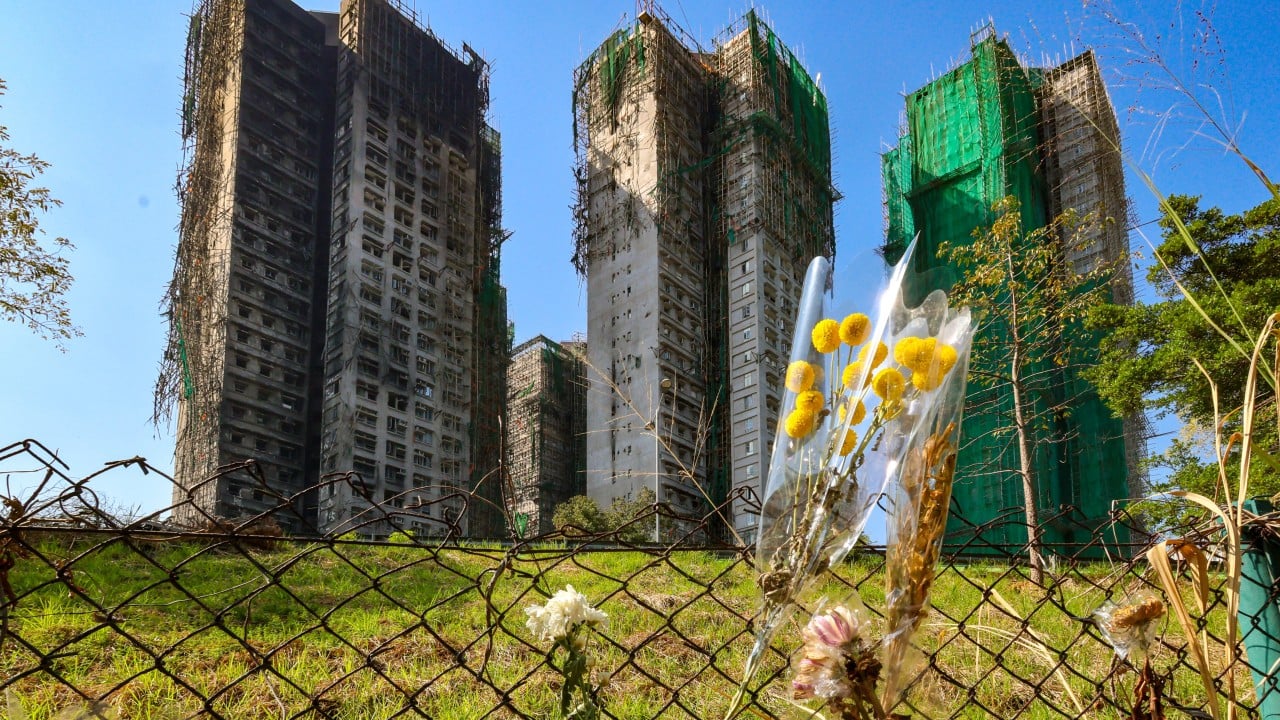
The residents of Wang Fuk Court are being offered a "briefing" by government officials, but in the world of high-stakes urban planning, a briefing is often code for a done deal. While the Secretary for Housing promises that this meeting will provide answers before final decisions are made, the reality on the ground suggests a different timeline. The core issue isn't just a lack of information; it is a fundamental breakdown in the trust between the Housing Authority and the people who actually occupy these units. When a minister steps in to "clarify" a situation, it usually means the fire of public dissent has already reached the top floor.
The tension at Wang Fuk Court centers on proposed structural changes and management shifts that residents fear will strip away their autonomy and drive up costs. The government’s approach has been reactive. Instead of involving the community at the blueprint stage, they have arrived with a finished map, offering to explain why the destination was chosen for them. This is the classic top-down friction that defines modern public housing disputes.
The Illusion of Consultation
Consultation is a heavy word in the civil service. It implies a two-way street. However, the planned briefing for Wang Fuk Court appears to be more of a presentation than a dialogue. By the time a minister is deployed to calm the waters, the bureaucratic machinery has usually already started grinding toward a specific outcome.
Residents are not merely looking for a list of bullet points on a PowerPoint slide. They are looking for the "why" behind the sudden urgency for these changes. Why now? Why this specific model of management? If the decisions truly haven't been made, then the government should be able to present three or four viable alternatives. Instead, they often present a single path and ask for "feedback" on the color of the paint.
This creates a psychological gap. When people feel like they are being managed rather than heard, they dig in. The resistance at Wang Fuk Court isn't just about technicalities; it is a defense of the home. For many of these families, this isn't an "asset" or a "unit." It is the culmination of decades of labor. To have the rules of their living environment changed by a temporary political appointee is a hard pill to swallow.
Breaking Down the Management Shift
The proposed changes at Wang Fuk Court often involve moving toward more centralized, professionalized management schemes. On paper, this looks efficient. You get economies of scale, standardized maintenance, and clear lines of accountability. In practice, it often means a loss of the granular, human touch that older housing blocks have cultivated over years of self-governance or localized oversight.
Centralization often brings a "one size fits all" mentality. If a pipe bursts in Block A, a centralized system treats it as a ticket number. A localized system treats it as a crisis for the family in 4B. The residents of Wang Fuk Court are rightfully concerned that their specific needs will be buried under layers of administrative convenience. They know their building’s quirks—the elevators that get moody in the humidity, the corners of the parking lot that flood during a heavy rain. A distant management office rarely accounts for these nuances until it’s too late.
Furthermore, the financial implications are murky. New management structures rarely come cheaper. The "professionalization" of these services usually involves a hike in monthly fees to cover the overhead of the management firm itself. For residents on fixed incomes, a 15% increase in maintenance fees isn't just a line item; it’s a lifestyle adjustment.
The Secretary's Strategic Move
The Secretary for Housing is playing a high-stakes game of public relations. By announcing this briefing, the ministry is attempting to seize the narrative. They want to appear transparent and accessible. It is a tactical move designed to defuse a potential protest or a legal challenge before it gains momentum.
If the minister can convince enough residents that the changes are "inevitable but beneficial," the opposition fragmentizes. This is a common strategy in urban development. You divide the community into those who are satisfied by the vague promises and those who remain skeptical. Once the unity is broken, the policy moves forward with minimal friction.
But the minister faces a skeptical audience. In recent years, public housing residents have become more organized and legally savvy. They have seen similar "briefings" at other estates lead to higher costs and lower service quality. The credibility of the Housing Authority is at an all-time low, largely because they have prioritized systemic efficiency over individual dignity.
The Hidden Costs of Efficiency
Government officials love to talk about "optimization." They argue that by streamlining the way Wang Fuk Court operates, they are protecting the long-term viability of the building. This sounds responsible. It sounds like stewardship. But optimization is often a synonym for cutting corners.
When you optimize maintenance, you move from a "fix it before it breaks" model to a "fix it when the complaints exceed a certain threshold" model. This saves money in the current fiscal year but leads to a crumbling infrastructure a decade down the line. Residents who have lived in the court since its inception have a long-term interest in the building's health. The government, by contrast, has a short-term interest in staying within budget.
This fundamental misalignment of goals is what fuels the anger in the community. The residents are thinking about their children’s inheritance; the officials are thinking about the next quarterly report.
Lessons from Failed Estate Transitions
We have seen this play out before. In several other housing projects across the territory, similar "briefings" were used to steamroll residents into accepting private management contracts that eventually failed. Within three years, the promised "standard of excellence" had decayed into a cycle of deferred maintenance and escalating fees.
In those cases, the government’s response was always the same: "We followed the consultation process." This is the shield they use to deflect responsibility. If they hold a meeting, regardless of whether they listen to a single word said by the residents, they have legally and procedurally "consulted" the public. It is a box-checking exercise that treats the human element as a variable to be managed rather than a partner to be respected.
Wang Fuk Court is different because the residents have begun to document the process themselves. They are recording the meetings, hiring independent surveyors, and consulting their own legal experts. They are refusing to be treated as passive recipients of government wisdom.
The Financial Transparency Gap
One of the biggest sticking points is the lack of a detailed financial breakdown. If the government wants to change how Wang Fuk Court is run, they should be able to provide a side-by-side comparison of the current costs versus the projected costs under the new system. So far, these numbers have been suspiciously absent or buried in "confidential" reports.
Transparency isn't just about showing the final number; it's about showing the math. Residents want to see the bids from the contractors. They want to see the service level agreements. They want to know exactly what percentage of their fees is going toward actual repairs and what percentage is going toward the management firm’s executive bonuses.
Until the Housing Authority opens the books, any "briefing" will be viewed as a sales pitch. Trust is earned through data, not through the soothing tones of a minister's press conference.
The Right Way Forward
If the government actually wants to solve the crisis at Wang Fuk Court, they need to stop the clock. They need to postpone the implementation of any changes until an independent oversight committee—composed of residents and third-party experts—has reviewed the proposals.
This would involve:
- Granting residents access to all internal reports regarding the building’s structural and financial health.
- Allowing the community to propose their own management models, which might include cooperatives or hybrid systems.
- Establishing a clear, legally binding "Failure to Perform" clause for any new management entity, allowing residents to terminate contracts without penalty if service levels drop.
This approach would be messy. It would be slow. It would require officials to actually negotiate instead of just dictate. But it is the only way to ensure that Wang Fuk Court remains a community rather than just a collection of boxes in a database.
The minister’s briefing is a fork in the road. It can be the beginning of a genuine collaboration, or it can be the final confirmation that the voices of the people who live there no longer matter to the people who rule there. The residents are watching, the cameras are rolling, and the blueprint is on the table.
Demand a seat at that table. Don't just attend the briefing; bring your own data, your own lawyers, and your own vision for your home. The time for listening to "explanations" is over. It is time for the residents of Wang Fuk Court to dictate the terms of their own future.