The recent arrest of an Indian-origin truck driver and a Canadian border official isn't just another headline about a failed drug run. It is a window into a systemic vulnerability at the world’s longest undefended border. While the seizure of millions of dollars in narcotics is significant, the true story lies in the corruption of the very mechanisms meant to protect the supply chain. When a commercial driver and a Canada Border Services Agency (CBSA) officer are alleged to be in league, the traditional security model of "trusted traders" and "random inspections" collapses.
The operation involved a massive shipment of suspected cocaine and methamphetamine intercepted at a major port of entry. But the narcotics were secondary to the method. Investigative data and intelligence reports suggest that the infiltration of border security agencies by organized crime groups is becoming a recurring nightmare for federal law enforcement. This case highlights a sophisticated recruitment strategy by cartels: targeting logistics professionals who understand the nuances of the $700 billion bilateral trade relationship between Canada and the United States.
The Inside Man Problem
The arrest of a border officer changes the math for every logistics company operating in North America. For years, the CBSA and its American counterpart have relied on a "risk-based" approach to enforcement. This means that a driver with clean credentials and a truck from a reputable firm usually passes with minimal scrutiny. Organized crime knows this. They don't look for the shady character with a criminal record; they look for the veteran driver with a mortgage and the officer with a gambling debt.
Internal corruption within border agencies is the ultimate "get out of jail free" card for smugglers. An officer on the take can manipulate the automated targeting systems, ensuring that a specific trailer is flagged for a "green lane" or that its inspection is bypassed entirely. This isn't just a failure of character. It is a failure of the oversight systems that are supposed to catch behavioral red flags among employees with high-level security clearances.
The Trucking Pipeline
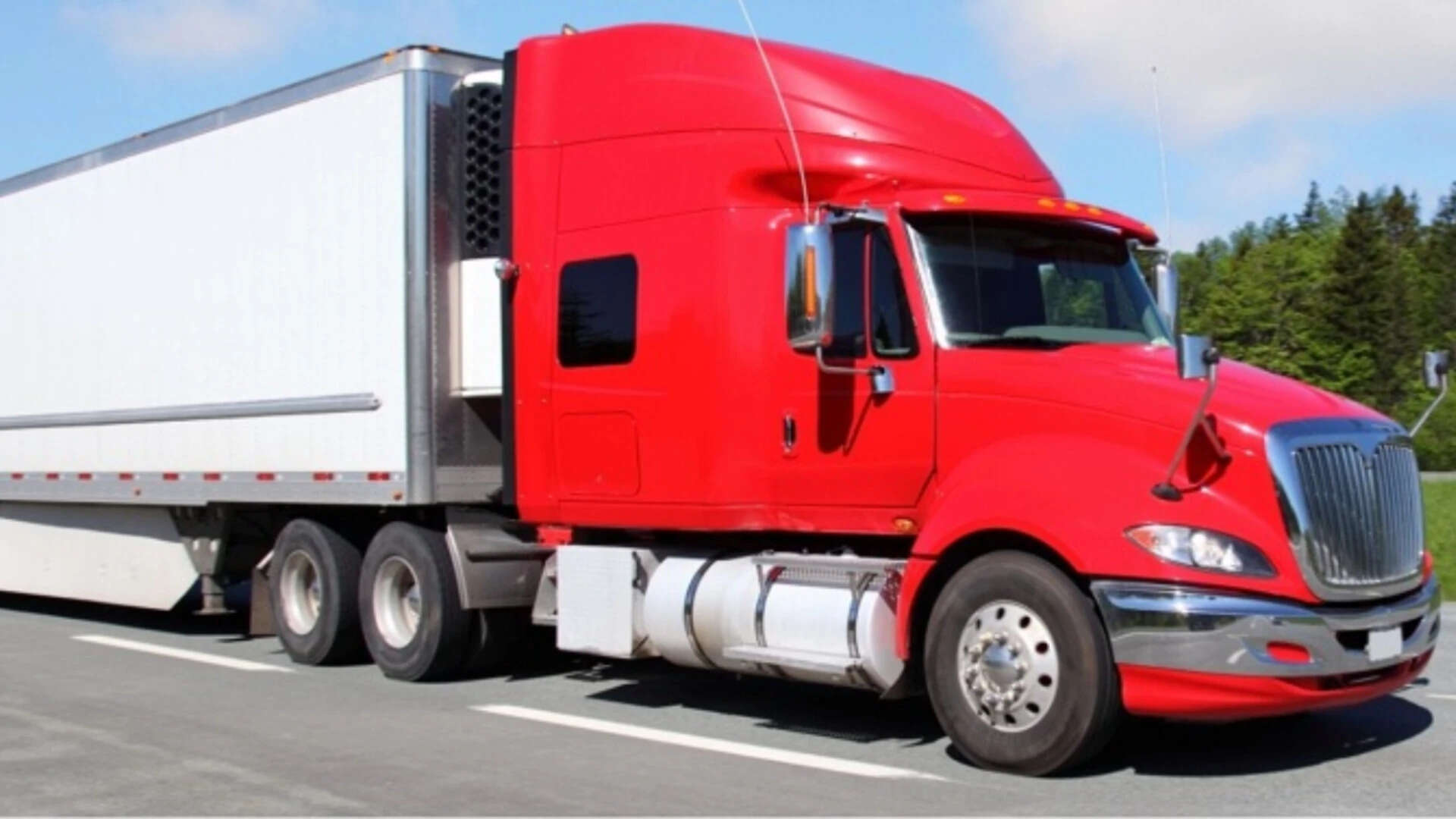
The logistics industry is the backbone of the North American economy, and the majority of drivers are hardworking individuals keeping the shelves stocked. However, the sheer volume of traffic—thousands of trucks crossing daily—provides the perfect cover for illicit activity. Smugglers use a "blind mule" strategy or, more commonly in high-stakes loads like this one, "knowing participants" who are paid a fraction of the shipment's street value but far more than a standard haul fee.
Commercial drivers are under immense pressure. Rising fuel costs, predatory leasing agreements, and the grueling nature of long-haul routes make them vulnerable to the lure of quick cash. When a single trip can net a driver a year's worth of legitimate salary, the risk-reward calculation shifts. Criminal organizations have built deep networks within the South Asian trucking community in North America, often exploiting cultural ties or financial desperation to build their transport infrastructure.
Technical Gaps in Border Enforcement
Current enforcement relies heavily on Large-Scale Imaging (LSI) and radiation detection. These tools are effective only if they are used. The bottleneck is human. Even the most advanced X-ray machine is useless if an officer chooses to look the other way or if the "random" selection algorithm is bypassed.
Why Current Systems Fail
- Volume Overload: With over 10,000 trucks crossing certain bridges every day, officers have seconds to make a determination.
- Predictable Patterns: Smugglers study the shift changes, the breaks, and the specific lanes where enforcement is known to be "lighter."
- Internal Access: Corruption at the source allows smugglers to know exactly which containers are being watched, allowing them to pivot in real-time.
The financial incentive for these crimes is staggering. A kilogram of cocaine bought in South America for $5,000 can fetch $50,000 or more on the streets of Toronto or Vancouver. When you scale that to the hundreds of kilograms found in this most recent bust, you are looking at profits that rival mid-sized corporations. These profits are then used to further corrupt the system, creating a self-sustaining loop of criminality.
The Geopolitical Fallout
These incidents put immense strain on the diplomatic relationship between Canada and India, as well as the security cooperation between Ottawa and Washington. When organized crime groups with international roots facilitate these shipments, it becomes a matter of national security rather than simple police work. The "Indian-origin" label often used in media reports obscures a more complex reality: these are global syndicates that operate across borders with more agility than the governments trying to stop them.
The focus on the driver’s ethnicity is often a distraction from the structural failures of the logistics industry. The real issue is the lack of vetting for small-to-mid-sized "mom and pop" trucking firms that can be set up in a week and used as front companies for a single, massive shipment before vanishing.
The Economic Toll of Border Corruption
Every time a major smuggling ring is busted involving internal help, the cost of doing business goes up for everyone else. Governments respond with "work-to-rule" inspections, causing massive delays that ripple through the automotive and agricultural sectors. A four-hour delay at the border can cost the economy millions in lost productivity and spoiled goods.
The honest driver, the one who follows every regulation and maintains their logbook perfectly, is the one who pays the price. They face longer wait times, more invasive searches, and the social stigma that follows high-profile arrests in their profession.
Rebuilding the Trust
The solution isn't just more dogs or better X-ray machines. It requires a fundamental shift in how border agencies manage their own. This means implementing more frequent and invasive financial audits of employees in sensitive positions. It means breaking the "blue wall" of silence that often protects corrupt officers.
For the trucking industry, it means a more rigorous "Know Your Carrier" protocol for freight brokers and shippers. Relying on a valid DOT number is no longer enough. There must be a move toward real-time, tamper-proof tracking of every commercial load, tied to a biometric ID of the driver.
A System Under Siege
The arrest of a single driver and a single officer is a win for law enforcement, but it is a drop in the bucket. For every shipment caught, intelligence experts estimate several more make it through. The sophisticated nature of this specific ring suggests that this wasn't their first run. It was simply the one where they got caught.
The battle for the border is no longer fought just at the fence. It is fought in the bank accounts of underpaid drivers and the moral compromises of border officials. Until the risk of getting caught outweighs the life-changing payouts offered by the cartels, the cargo will continue to move.
Shippers must now demand a higher level of transparency from their transport partners, acknowledging that the biggest threat to their cargo isn't a highway robber, but the person behind the wheel—or the person holding the badge at the gate.