The screen glows with a soft, reassuring blue. It is the color of Signal, the app we were told was the last honest fortress in a world of glass walls. For a mid-level analyst at the State Department or a logistics officer stationed in Stuttgart, that blue icon represents a sanctuary. It is where you talk about your kid’s dental appointment, but also where you mention the "delayed shipment" that everyone knows is actually a battery of surface-to-air missiles. It is the place where the professional and the personal collide, protected by encryption so dense it would take a billion years for a supercomputer to crack.
But the hackers in Moscow didn’t bother with the encryption. They didn’t try to break the vault. They simply waited for someone to open the door from the inside.
Recently, the FBI began quietly notifying thousands of Americans—diplomats, military personnel, and the journalists who trail them—that their "impenetrable" sanctuary had been breached. The culprit is a group linked to Russian intelligence, specifically those operators who specialize in the long game. They didn’t use a cinematic "brute force" attack. They used the oldest trick in the book, polished for a digital age: the psychological hook.
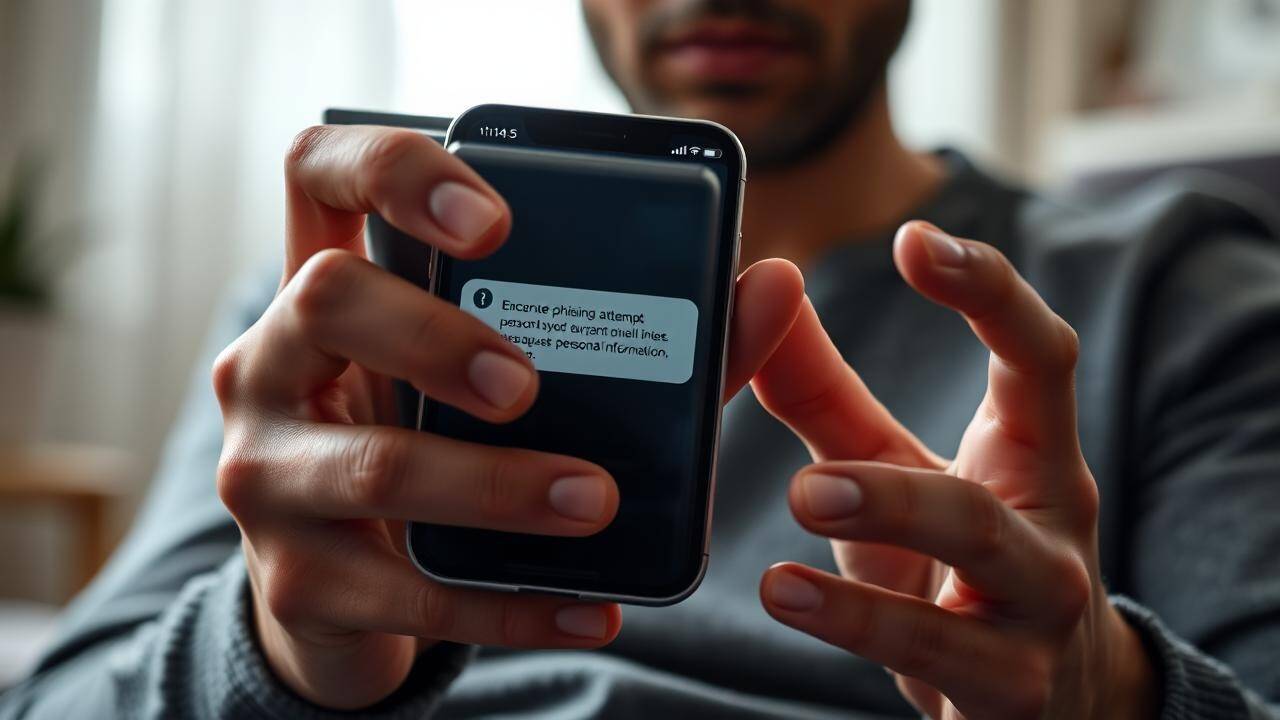
Consider a hypothetical officer named Sarah. She is exhausted, working the late shift at a sensitive government facility. Her phone pings. It’s a notification from Signal, or so it seems. It looks like a security alert, a terrifyingly official prompt claiming her account has been compromised and she needs to "re-verify" her credentials. The link takes her to a page that looks exactly like the one she trusts. She enters her code. In that heartbeat, the wall vanishes.
The Russian strategy wasn’t a wide-net sweep of the general public. It was a spear, aimed at the jugular of American infrastructure. By targeting Signal, they went after the one place where high-value targets feel safe enough to be careless. We have spent a decade training officials to keep their email clean, but we forgot to tell them that their "private" chats are just as vulnerable to the person holding the phone.
The scale is staggering. We are talking about thousands of accounts. This isn't just about stolen secrets; it’s about the metadata of a life. If a hostile actor knows who you talk to, how often you talk to them, and when you are awake, they own the map of your influence. They know who the decision-makers trust. They know who is having an affair, who is in debt, and who is frustrated with their boss. In the world of espionage, those aren't just facts. They are leverage.
This is the "invisible stake" of the Signal breach. It isn't just about a leaked document. It is about the slow, methodical erosion of the trust that allows a government to function. When a journalist’s Signal account is compromised, every source they have ever spoken to is suddenly standing in a spotlight. The whistleblower who thought they were safe is now a target. The general who shared a joke about a superior is now a candidate for blackmail.
The technical term for what happened is "Account Takeover" (ATO), but that sounds too clinical. It’s more like a home invasion where the locks remain intact but the intruder is sitting at your kitchen table, wearing your clothes, and reading your mail. The attackers used sophisticated phishing kits to bypass multi-factor authentication, essentially tricking the users into handing over the keys to the kingdom while the users thought they were just locking the door.
Why Signal? Because Signal is the gold standard. By hitting the gold standard, the Russian actors send a message: Nowhere is quiet. Nowhere is yours.
We often treat cybersecurity as a series of patches and updates, a cold war fought with code. But that is a lie we tell ourselves to feel in control. Cybersecurity is actually a psychological war. It is about the three seconds of hesitation before you click a link. It is about the vanity that makes us think we are too smart to be fooled. The Russian operators didn't need to be better at math than the Signal developers; they just needed to be better at human nature.
Imagine the fallout in a room at the FBI. Agents are looking at a list of names—names of people who hold the keys to the nation’s most sensitive plans. They have to call these people, one by one, and explain that their private thoughts, their sensitive locations, and their professional networks have been mirrored on a server in an office building in Moscow. It is a conversation that begins with a stutter and ends with a terrifying silence.
The vulnerability doesn't lie in the end-to-end encryption. That remains the most robust defense we have. The vulnerability lies in the "end" part of that phrase—the human being holding the device. We have built 50-foot steel walls and left a screen door in the back because we wanted the convenience of a quick login.
The FBI’s warning is a flare sent up in a dark forest. It tells us that the era of "safe apps" is over. There is no software that can protect a user from their own urgency. When you receive a message that demands immediate action, that plays on your fear of being hacked, that is the moment you are most likely to be hacked. It is a cruel irony that the more we care about our privacy, the easier it is for attackers to use that concern as a weapon against us.
Moving forward, the landscape of communication for the American official is going to be cold and lonely. The casual "check-in" on a secure app is now a liability. We are returning to a world where true security means assuming that every screen is a window and every window has a spectator.
The thousands of compromised accounts are a harvest. The data has been gathered, sorted, and filed away. It will be used next week, next month, or three years from now when a specific official rises to a position of power and finds that a ghost from their Signal history has come back to haunt them.
The blue dot on the screen continues to pulse. It looks the same as it did yesterday. It looks safe. But for thousands of people in the halls of power today, that blue light is no longer a sanctuary; it is an eye, staring back from the dark, waiting for them to blink.
The ghost is already in the machine.