The heat of the morning in Kelantan does not rise slowly. It drops on you like a wet wool blanket, thick with the scent of red earth, crushed grass, and the faint, sweet metallic tang of what is about to come.
Every year, during Hari Raya Aidiladha, communities across Malaysia gather for the Qurban. It is the Festival of Sacrifice. It is an anchor of faith, a ritual deeply rooted in humility, community, and reverence. Neighbors who haven’t spoken in months stand shoulder to shoulder. Children peer through wooden fences, their eyes wide, watching the heavy, slow-blinking cattle brought into the clearing. The air fills with the low hum of prayers, a collective murmur that grounds everyone in a shared, ancient history.
The ritual demands a specific grace. The animal must be treated with utmost respect. It is laid down gently, its head turned toward Mecca. The blade used must be razor-sharp, hidden from the animal's sight until the absolute last second, ensuring the end is swift, merciful, and quiet. It is a sobering reminder of life, death, and sustenance.
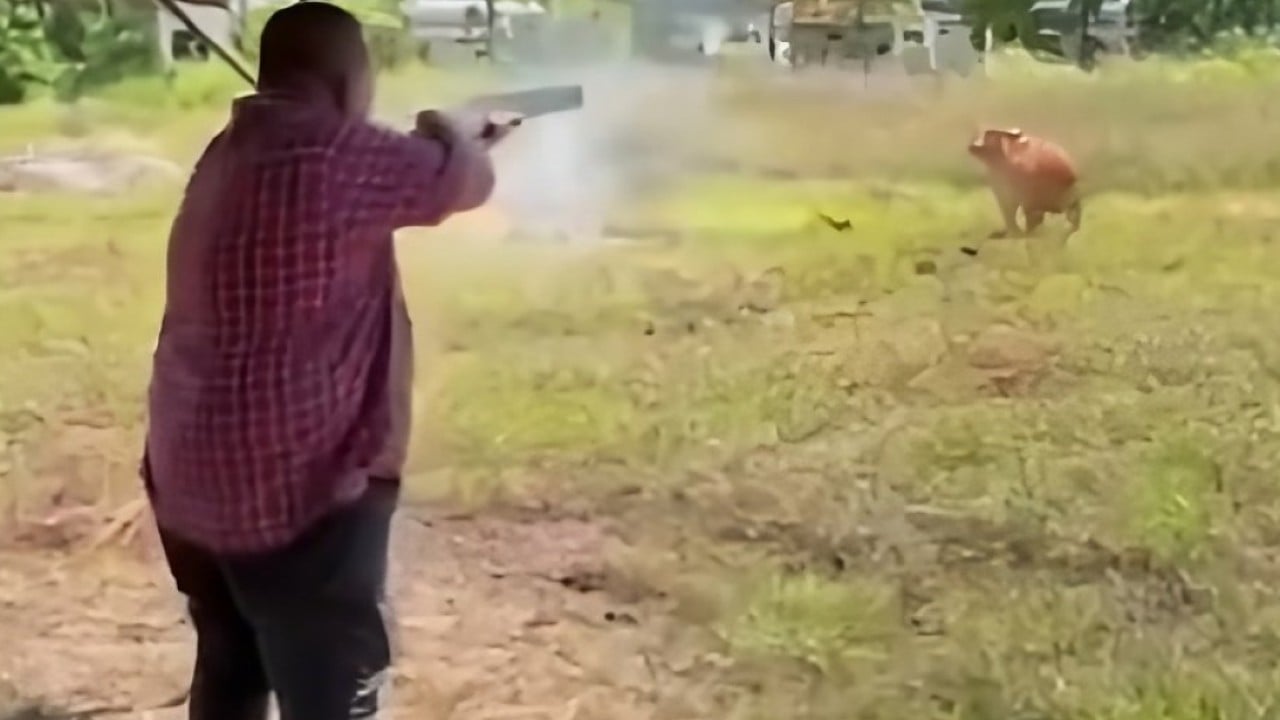
Then, the loud crack of a shotgun shattered the quiet dignity of the morning.
The cow did not fall immediately. Instead, smoke cleared to reveal a scene that felt entirely unmoored from the sacred traditions of the day. Standing there, holding the firearm, was a prominent state leader.
In that single, concussive moment, a sacred rite of devotion was transformed into something else entirely. A spectacle. A display of power. And for the community watching both in person and later online, a profound betrayal of cultural trust.
The Weight of the Blade
To understand why a single gunshot sparked a wave of outrage across a nation, you have to understand the invisible stakes of the Qurban. This is not just about meat production. It is not a casual backyard barbecue.
Consider the traditional process as a delicate contract between humans, nature, and the divine. For centuries, the physical act of restraint and the use of a sharp knife have required closeness. You must look the animal in the eye. You must feel its weight, its warmth, and acknowledge the gravity of taking a life to feed the hungry. The community participates together—some holding the ropes, some comforting the animal, others preparing the knives.
This proximity breeds humility. It is designed to.
When a political figure steps into that sacred space carrying a modern firearm, that entire philosophical framework collapses. A shotgun introduces distance. It replaces intimacy with detachment. It replaces the humble submission of the slaughterer with the dominant posture of a hunter.
The backlash was instant, rippling out from the local village to the farthest corners of Malaysian social media. People weren't just annoyed by a breach of protocol; they felt a deep, visceral ache. The act felt violent in a way the traditional sacrifice never does. It felt performative.
Imagine standing in a place of worship, prepared for a moment of quiet reflection, only for someone to blast through the doors with a megaphone. The disruption is not just acoustic. It is spiritual.
Power, Privilege, and the Modern Disconnect
We live in an era where leadership is increasingly measured by optics. Every action is curated, every gesture calculated for maximum impact. But sometimes, the desire to appear decisive or unconventional blinds leaders to the very values they are supposed to protect.
In the aftermath of the incident, defenses were mounted. Whispers of justification circulated. The cow was wild. It was a matter of public safety. The animal was acting aggressively, threatening the safety of the handlers.
In any standard news report, that explanation might suffice. It provides a neat, logical exit clause. But logic often fails to soothe the wounds of broken cultural taboos.
Let us look at the situation through a practical lens. Every year, across thousands of villages in Southeast Asia, cattle get spooked. A five-hundred-kilogram animal sensing its end will naturally panic. Ropes slip. Mud makes handlers lose their footing. It is a chaotic, unpredictable environment. Yet, for generations, villagers have relied on collective strength, patience, and traditional herding techniques to manage a distressed animal. They use patience. They use strategy.
They do not reach for a twelve-gauge.
By opting for a firearm, the leader didn't just solve a logistical problem; he broadcasted a message of absolute privilege. The message was clear: the rules of patience, community effort, and religious meticulousness do not apply when you possess the power to bypass them. It highlighted a growing chasm between the ruling class and the ordinary citizens who spend weeks saving money to contribute to a single cow for their village.
When the Sacred Becomes a Spectacle
The real casualty in the clearing that day wasn't just the livestock. It was the integrity of the ritual itself.
When we look closely at the mechanics of public anger, it rarely stems from a single isolated event. It builds up over time, fed by a diet of double standards. For the average Malaysian, strict regulations govern everything from animal welfare to firearm possession. To see those boundaries blurred so casually by someone in power creates a friction that is hard to ignore.
Religious scholars quickly weighed in, clarifying that while the meat might technically still be considered permissible under highly specific, extreme emergency clauses, the method ran entirely counter to the spirit of Ihsan—the Islamic concept of perfection and compassion in all things.
True authority does not require a weapon to command a room, nor does it require violence to solve a crisis. True authority is found in restraint.
The image of that morning remains etched in the minds of those who witnessed it. Not because of the blood on the grass—that is part of the cycle of the festival—but because of how easily a moment meant for community bonding was pierced by the cold, metallic reality of a gun. It serves as a stark reminder that when we lose touch with the humility of our traditions, we risk turning our most sacred values into nothing more than targets in a field.