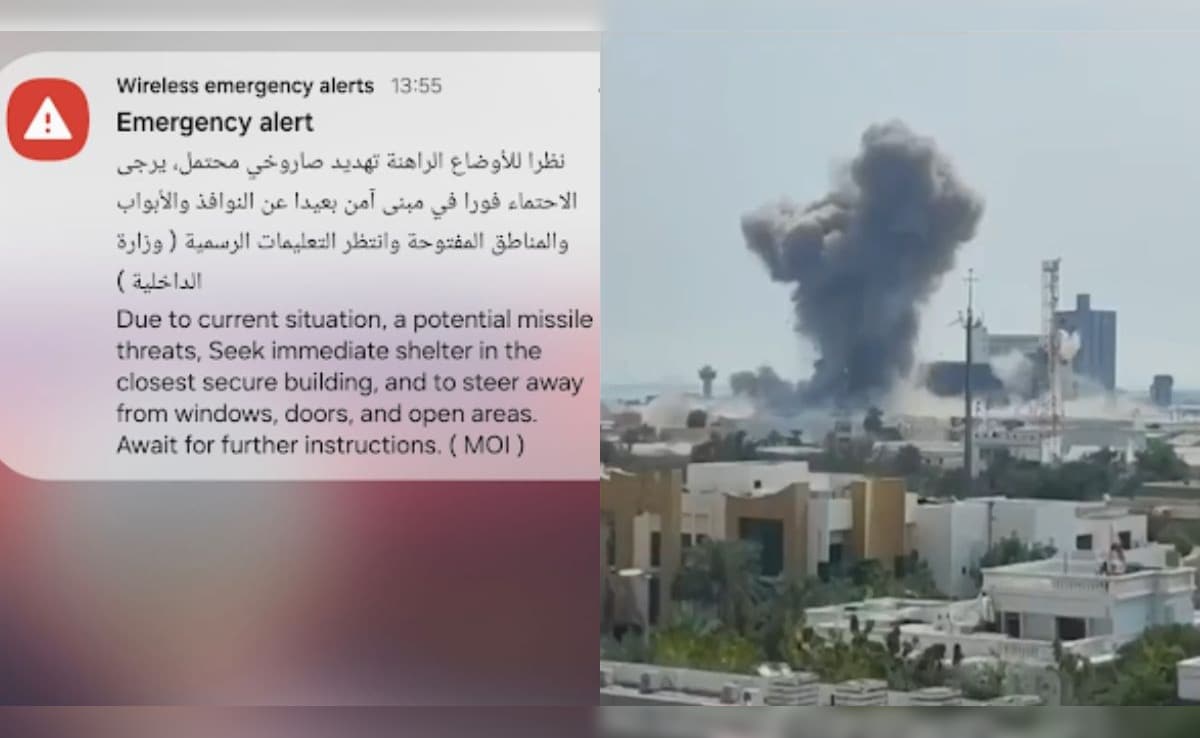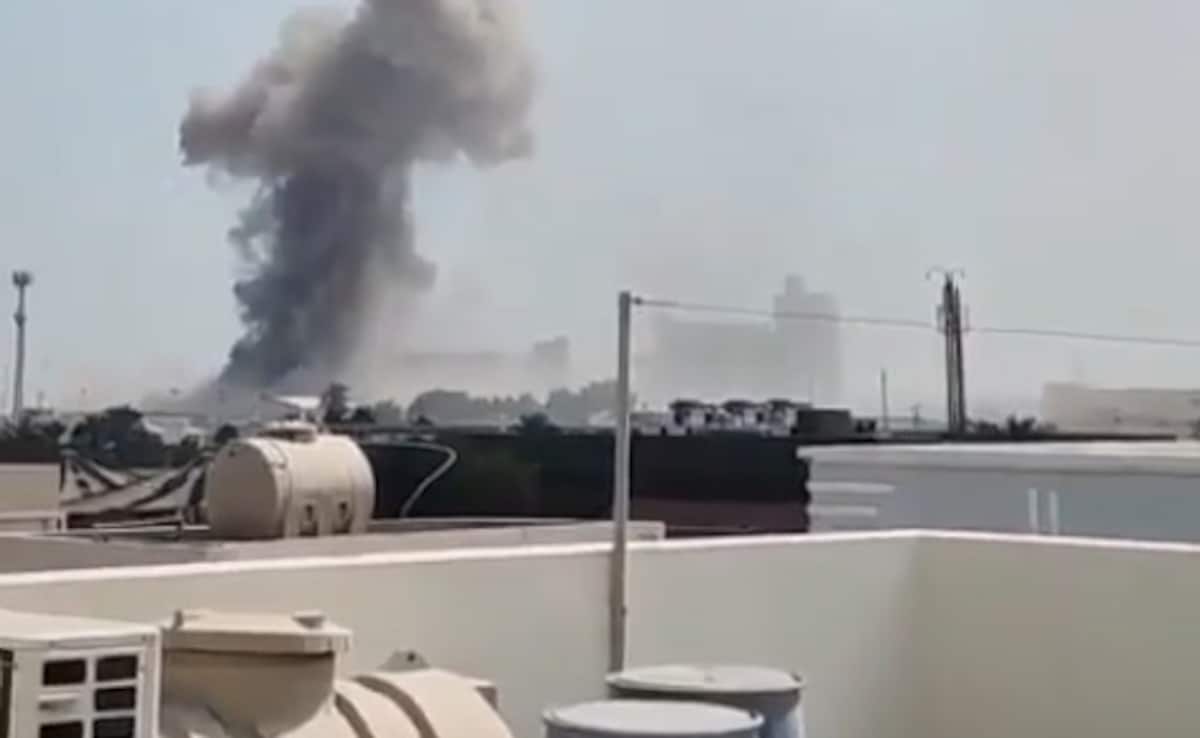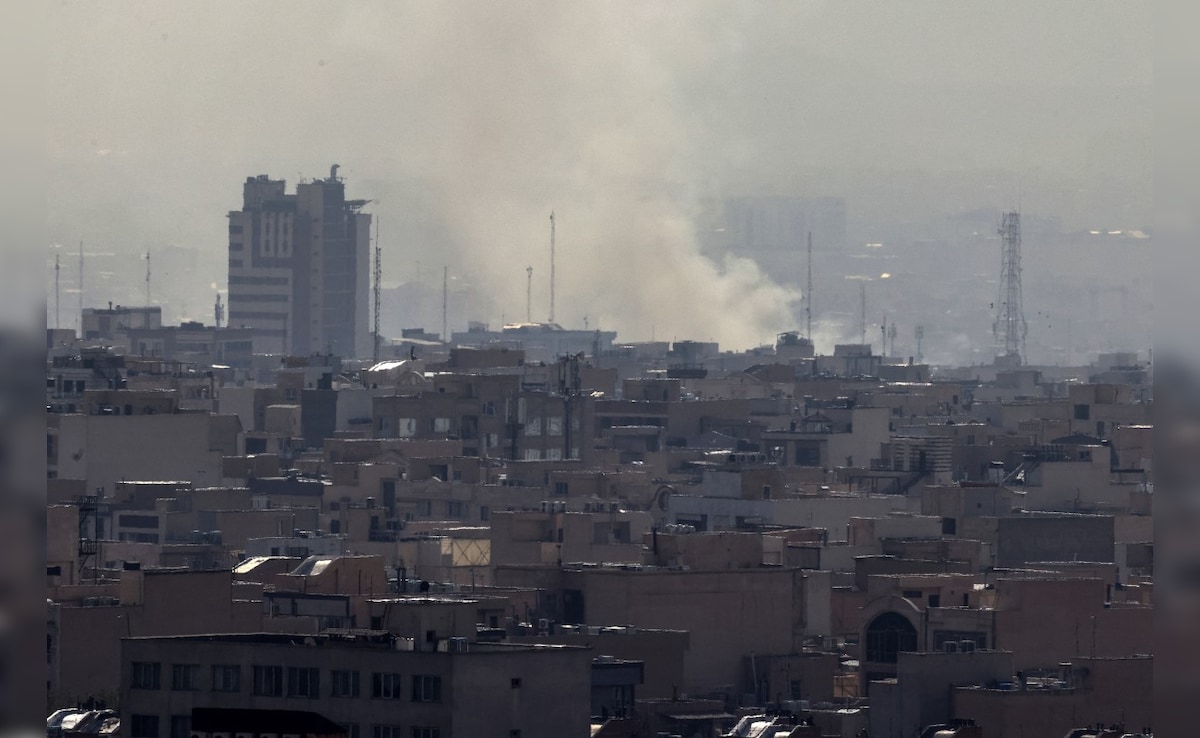
The reports emerging from southern Iran describe a scene of shattered glass and notebooks soaked in blood. Five young girls, students who should have been worrying about math exams and playground politics, are dead following a series of strikes that have ignited a fresh wave of fury across the region. While the Iranian state media immediately pointed the finger at a joint Israeli-U.S. operation, the geopolitical reality is often far more tangled than a press release from Tehran would suggest. We are witnessing a moment where the thin line between precision targeting and civilian catastrophe has vanished entirely.
This isn’t just about a single strike. It is about the systemic failure of intelligence-led warfare and the brutal math of "proportionality" that leaves families burying children in the dust of rural provinces. The strike hit a school in a region already simmering with ethnic tension and a heavy military presence. Whether this was a case of catastrophic intelligence failure, a stray missile, or a calculated message sent to the Iranian leadership, the result remains the same. Five lives are gone. If you liked this post, you might want to read: this related article.
The Fog of Attribution and the Proxy Trap
Whenever a high-profile tragedy occurs within Iranian borders, the narrative machine shifts into high gear. Tehran benefits from portraying itself as the victim of Western "state terrorism" to distract from internal dissent. Conversely, Western intelligence often remains silent, neither confirming nor denying operations, which creates a vacuum filled by propaganda.
In this specific instance, the location of the strike—Southern Iran—is critical. This area serves as a logistics hub for various paramilitary groups and sits near sensitive coastline infrastructure. If the intent was to disrupt a shipment of hardware or a command node, the proximity to a civilian school suggests a reckless disregard for "collateral damage." That term, so often used in military briefings, feels hollow when applied to a classroom. For another perspective on this development, refer to the recent coverage from Associated Press.
We must ask if the technology being touted as "surgical" is actually failing. For years, the defense industry has sold the world on the idea of the "smart bomb"—a weapon so precise it can pick a target out of a crowd. But a weapon is only as smart as the person holding the drone controller and the quality of the data fed into the system. If the intelligence was "stale," meaning the target moved or was never there to begin with, the "precision" of the missile becomes a moot point.
The Strategic Failure of Escalation
There is a pervasive school of thought in certain defense circles that "maximum pressure" and kinetic strikes will eventually force a regime to the negotiating table. History suggests the opposite.
Every time a civilian target is hit—even accidentally—it provides the Iranian government with the perfect domestic recruitment tool. It mends fences between the state and a population that might otherwise be critical of the leadership. By killing students, the attackers haven't weakened the Revolutionary Guard; they have given them a fresh set of martyrs to parade through the streets.
The Breakdown of Rules of Engagement
- Intelligence Drift: The reliance on signals intelligence (SIGINT) over human intelligence (HUMINT) often leads to targeting errors.
- The Urban Buffer: In densely populated regions, the "blast radius" of even a small munition often exceeds the physical boundaries of the military target.
- Political Timing: Strikes often happen not when they are militarily necessary, but when a political point needs to be made on the global stage.
The math of this conflict is broken. $Impact = Intent + Error$. When the error involves a primary school, the impact is a generational scar that no amount of diplomatic maneuvering can heal.
Tracking the Weaponry
Independent analysts are currently scouring the wreckage for fragments that could identify the origin of the munitions. The "signature" of a strike—the type of explosive used, the guidance fins, the entry angle—usually tells a story that officials won't. If the fragments point to specific Western-made components, the diplomatic fallout will be severe, regardless of who actually pulled the trigger.
The U.S. has frequently provided the intelligence and the platforms, while regional allies execute the mission. This "distanced warfare" allows for a layer of plausible deniability, but that deniability is wearing thin. You cannot claim the moral high ground while the hardware you manufactured is being pulled from the ruins of a schoolhouse.
Beyond the Rhetoric
We have to look at the human cost without the filter of national interest. These girls were not combatants. They were not part of the "Axis of Resistance" or any other geopolitical acronym. They were children in a classroom.
The "hard-hitting" truth that many analysts want to avoid is that these strikes are often less about stopping a nuclear program and more about checking a box in a long-standing shadow war. It is a game of chess played with lives that the players will never meet. The cycle of "strike-and-retaliate" has become a self-sustaining engine of tragedy.
If the goal was to make the region safer, it has failed. If the goal was to project strength, it has only shown the world a capacity for cruelty. The families in Southern Iran aren't interested in the nuances of international law or the complexities of Middle Eastern alliances. They are looking at empty desks and wondering why their children had to pay the price for a war they didn't start.
The international community needs to demand more than just "investigations" that never see the light of day. There must be a transparent accounting of how a school became a target. Without that, we are simply waiting for the next set of headlines, the next list of names, and the next empty apology from a spokesperson behind a podium.
Stop looking at the maps and start looking at the faces of the victims.