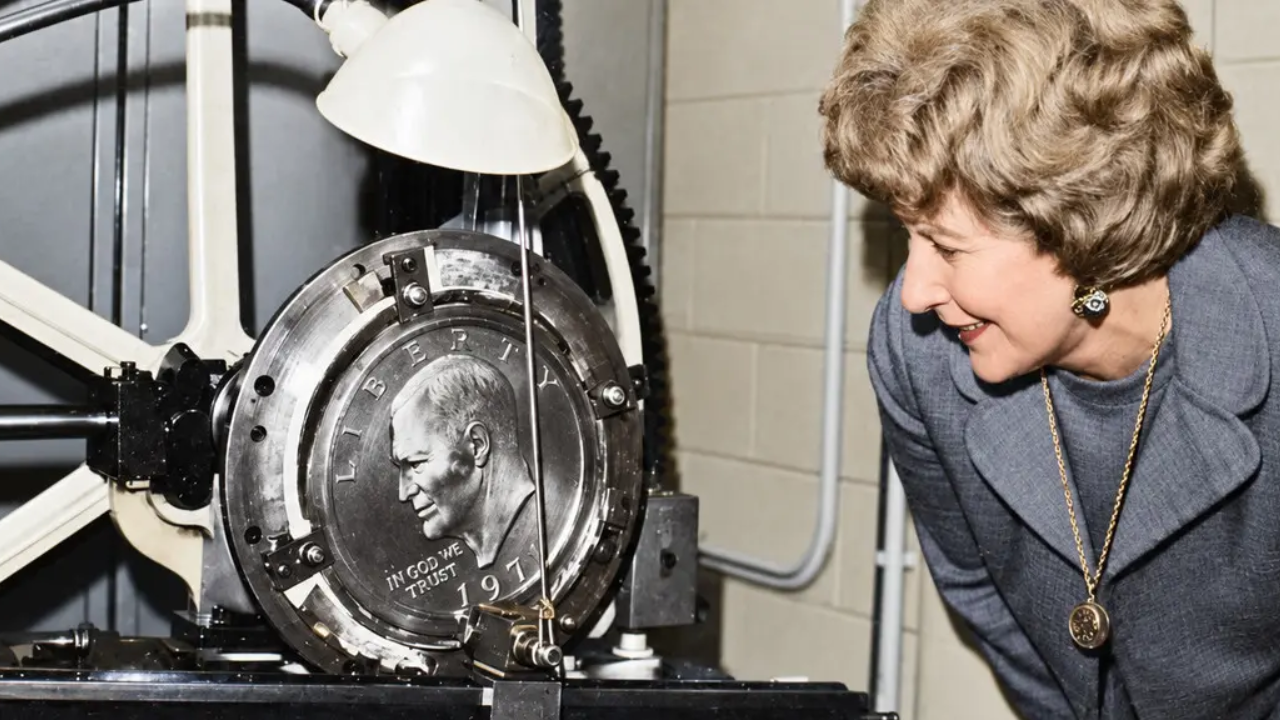
Most rolled coins you grab from a bank counter are boring. You get quarters, dimes, and maybe a worn-out nickel. But back in 2008, a coin collector cracked open a standard roll of uncirculated Eisenhower dollars and pulled out something that had no business being there. It wasn't just a slightly off-center strike or a minor scratch. It was a genuine mule error—a rare numismatic accident where a coin is struck using dies meant for two completely different denominations.
That single discovery sent shockwaves through the numismatic community. It proved that even modern U.S. mint production lines can produce catastrophic anomalies worth thousands of dollars. If you've ever dismissed coin rolls as dull blocks of pocket change, this story will completely change how you look at a bank wrapper.
The Anatomy of a Mint Blunder
To understand why that 2008 discovery caused such a massive stir, you need to know how minting errors actually happen. The United States Mint pumps out billions of coins every year. Automated presses slam down with tons of pressure at incredible speeds.
Normally, the process is tightly controlled. Dies matching a specific coin face and reverse are locked into position. Blank planchets feed into the collar, get struck once, and drop into a bin.
Errors happen when human fatigue or mechanical failure slips past quality control. A mule error is the holy grail of these mistakes. It happens when a die from one coin design accidentally gets paired with a die from an entirely different coin. Think of it like printing a book where the front cover belongs to a thriller novel and the back cover is a cookbook.
In the case of Eisenhower dollars, these large-format copper-nickel clad coins were minted starting in 1971 to honor both President Dwight D. Eisenhower and the Apollo 11 moon landing. They were bulky, heavy, and mostly used in casinos rather than grocery stores. Because they weren't carried in everyday pockets in the same way quarters were, fewer people searched through them for varieties. That changed overnight when collectors realized striking mistakes had escaped the Philadelphia and Denver mints.
Why Modern Errors Matter More Than You Think
Old rare coins get all the press. People obsess over 18th-century silver dollars or colonial coppers because of the history attached to them. But modern mint errors carry a different kind of appeal. They are literal accidents of industrial manufacturing.
When a collector cracks open a mint-sealed tube and finds a striking error, they aren't just holding a piece of history. They are holding proof of a glitch in a multi-million-dollar automated machine.
Most people assume modern mints are perfect. They think lasers, computers, and strict quality assurance make errors impossible. That is a massive misconception. The U.S. Mint is a high-volume factory. Things break. Dies clash. Planchets stick together.
When an unusual Eisenhower dollar slips past inspectors and winds up inside a sealed bank roll, it survives because automated wrapping machines don't look at coin faces. They just count them by thickness and diameter. Once that tube gets crimped shut, the error is locked away until someone with a sharp eye and too much curiosity opens it up.
What You Need to Know Before Searching Coin Rolls
If reading about rare coin discoveries makes you want to run down to your local bank and buy a few boxes of half dollars or dollars, pump the brakes for a second. Coin roll hunting is fun, but it is also a grind.
You need patience, good lighting, and a decent magnifying glass. Most rolls you get from a teller will yield zero errors. You will find worn-out common dates, scratched surfaces, and a lot of disappointment. That is the reality of the hobby. The people who find the rare pieces are the ones who sift through thousands of coins while everyone else quits out of boredom.
If you want to try your hand at finding mint errors, follow these practical steps:
- Skip standard bank-wrapped coin rolls if you want uncirculated errors. Look for original bank-wrapped rolls (OBW) from older hoards or estate sales when possible, though modern bank pickups can still yield surprises.
- Learn to identify the difference between post-mint damage and actual mint errors. Scratches, gouges, and acid washes happen after the coin leaves the facility. Real errors happen inside the mint press.
- Invest in a solid reference guide or join online numismatic forums where experts break down genuine die varieties versus everyday wear and tear.
- Check the edges as well as the faces. Many errors, like double denominations or off-center strikes, are instantly obvious just by looking at the thickness and rim alignment.
The Thrill of the Hunt
The collector who spotted that strange Eisenhower dollar inside an ordinary tube wasn't expecting to strike gold. They were just doing what collectors have done for generations: looking closely at something ordinary until it revealed something extraordinary.
You don't need a million-dollar budget to participate in numismatics. You just need curiosity and a willingness to look past the surface level of everyday currency. The next time you handle a stack of coins, take a second to check the details. You never know what slipped past the inspectors.