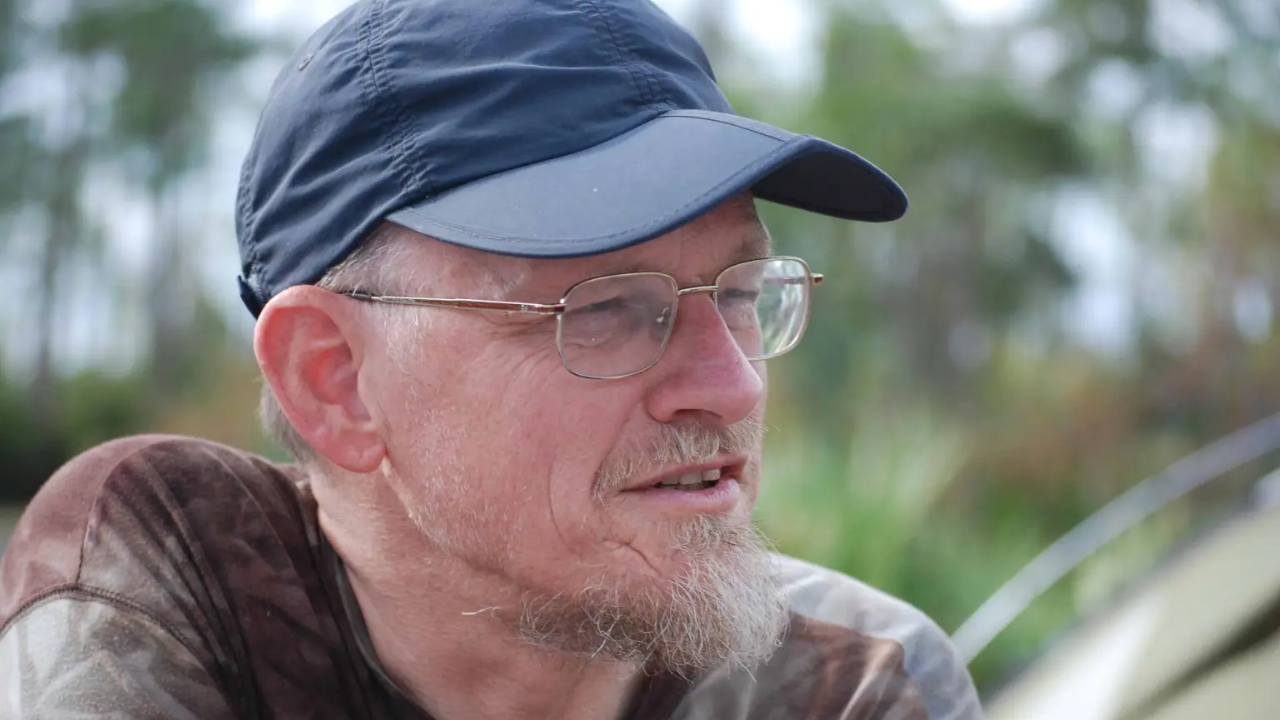
Leo Schilperoord was not looking for a virus when he stepped into the tall grass of a Montana landfill. He was looking for a bird. An avid birder with a sharp eye for the rare and the transient, Schilperoord’s pursuit of a feathered rarity placed him in the crosshairs of a biological predator that doesn't care about hobbyists. He became a "patient zero," a focal point in a medical mystery that forced health officials to reckon with the terrifying speed of Hantavirus Pulmonary Syndrome (HPS).
The story of Schilperoord is not just a tale of bad luck. It is a stark reminder of the thinning veil between human recreation and the rugged, often hostile realities of the natural world. When we talk about zoonotic diseases—those that jump from animals to humans—we often think of distant jungles or wet markets. We rarely think of a birding trip in the American West. But the Sin Nombre virus, the specific strain of hantavirus that nearly killed Schilperoord, is a homegrown threat that thrives in the very places where we go to find peace.
The Invisible Dust of the Deer Mouse
The mechanics of hantavirus infection are deceptively simple and horrifyingly efficient. It does not require a bite or a scratch. You don't even have to touch an animal. The virus is shed in the saliva, urine, and feces of the deer mouse (Peromyscus maniculatus). As these waste products dry, they become brittle. When a hiker, a gardener, or a birdwatcher disturbs the soil or the grass, those particles become airborne.
You breathe. That is all it takes.
Once inhaled, the virus targets the endothelium—the thin layer of cells lining the blood vessels. Specifically, it attacks the lungs. While many viruses cause a slow buildup of fluid, HPS is an aggressive assault. The capillaries begin to leak at an alarming rate. The lungs don't just get wet; they drown. For Schilperoord, the transition from a casual afternoon in the field to a fight for oxygen was a matter of days. The incubation period can be deceptive, mimicking a common flu with fever and muscle aches before the respiratory "crash" occurs.
A Landfill as a Biological Reservoir
Why a landfill? To a birder, a landfill is a localized ecosystem. It attracts insects, which attract small birds, which in turn attract the rare species that enthusiasts track for miles. To a deer mouse, a landfill is a buffet and a fortress. It provides endless nesting material and a caloric surplus that few natural environments can match.
The convergence of these two interests—the human search for a rare bird and the rodent's search for survival—created a perfect storm. When Schilperoord entered that space, he was walking into a high-density theater of viral shedding. The industry term for this is "peridomestic" transmission, but that clinical label undersells the raw danger of the encounter. We have spent decades encroaching on wild spaces, but we are also creating artificial environments that concentrate wild risks.
The Diagnostic Trap
One of the greatest hurdles in treating hantavirus is the sheer anonymity of the early symptoms. Doctors in the Mountain West are trained to look for it, but even for the best-trained eye, a patient presenting with "flu-like symptoms" in the middle of a busy season is a needle in a haystack.
- Fever and Chills: Standard, non-specific.
- Myalgia: Deep muscle aches, particularly in the thighs and back.
- The Sudden Shift: The moment the dry cough begins and the pulse ox drops.
By the time Schilperoord reached the hospital, he was already sliding toward the precipice. HPS has a mortality rate of roughly 35 percent. That is not a statistic; it is a coin flip with weighted edges. There is no cure for hantavirus. There is no vaccine. There is only "supportive care," a medical euphemism for keeping the body alive with machines while the immune system tries to claw its way back from the brink.
The Mechanical Breath
Schilperoord’s survival is a testament to the brutal efficacy of modern intensive care. He was placed on a ventilator, and eventually, he required ECMO (Extracorporeal Membrane Oxygenation). For the uninitiated, ECMO is the "hail mary" of pulmonary medicine. It involves draining a patient's blood, running it through an artificial lung to remove carbon dioxide and add oxygen, and then pumping it back into the body.
It is a violent, invasive, and incredibly resource-intensive process. It is also the only reason Leo Schilperoord is alive to tell his story.
The physical toll of such an ordeal is immense, but the psychological shadow is longer. Being "patient zero" in an outbreak or a notable case study carries a heavy burden. It turns a private medical trauma into a public data point. For the scientific community, his case provided invaluable data on the progression of the Sin Nombre strain. For Schilperoord, it was a long, grueling road of rehabilitation—learning to breathe, move, and exist in a world that had suddenly become much more dangerous than it appeared through a pair of binoculars.
The Myth of the Controlled Environment
We live under the delusion that we have tamed our surroundings. We pave the roads, we fence the parks, and we label the trails. This creates a false sense of security. The hantavirus doesn't care about your Gore-Tex jacket or your high-end optics. It is an ancient organism doing what it has done for millennia.
The risk factors are often mundane. A seasonal cabin that hasn't been opened in months. A woodpile moved without a mask. A walk through a dusty field where the wind catches the wrong particle at the wrong second. Public health messaging often fails because it focuses on "avoiding rodents," which is nearly impossible in rural or suburban Montana. The real shift needs to be in how we perceive the air itself in these environments.
Redefining Outdoor Safety
If you are entering an area where rodent activity is likely—especially enclosed spaces or dense, dry vegetation—the rules of engagement must change.
- Wet Down the Area: If cleaning a space, use a bleach solution to wet down dust and droppings. Never sweep or vacuum dry material; that just puts the virus into the air you breathe.
- Respiratory Protection: An N95 mask isn't just for a pandemic or a dusty construction site. It is a literal lifesaver in a mouse-infested shed.
- Acknowledge the Source: Recognize that the "cute" deer mouse with the white underbelly is the primary vector. They are not pests; they are biological carriers.
The Cost of the Rare Find
Schilperoord eventually recovered, but the "patient zero" tag remains a permanent part of his legacy. His case forced a re-evaluation of how birders and outdoor hobbyists interact with "disturbed" landscapes like landfills or abandoned farmsteads. These aren't just transition zones; they are high-risk nodes of interaction.
The desire to witness the rare—to see the bird that shouldn't be there—is a powerful human drive. It pushes us into corners of the map we would otherwise ignore. But nature has a way of extracting a price for that curiosity. The Sin Nombre virus remains out there, lurking in the dust of a thousand barns and the grass of a hundred landfills, waiting for the next person to take a deep breath in the wrong place.
We cannot sanitize the wilderness. We can only change how we move through it. Every time a birder lifts their binoculars, they are making a choice to engage with a world that is indifferent to their survival. The lesson of Leo Schilperoord isn't to stay inside; it is to realize that the most dangerous thing in the woods might be the very air you're breathing while you wait for a glimpse of something beautiful.
Stop treating the outdoors as a curated museum. It is a laboratory of evolution, and you are a participant, whether you have a mask on or not.