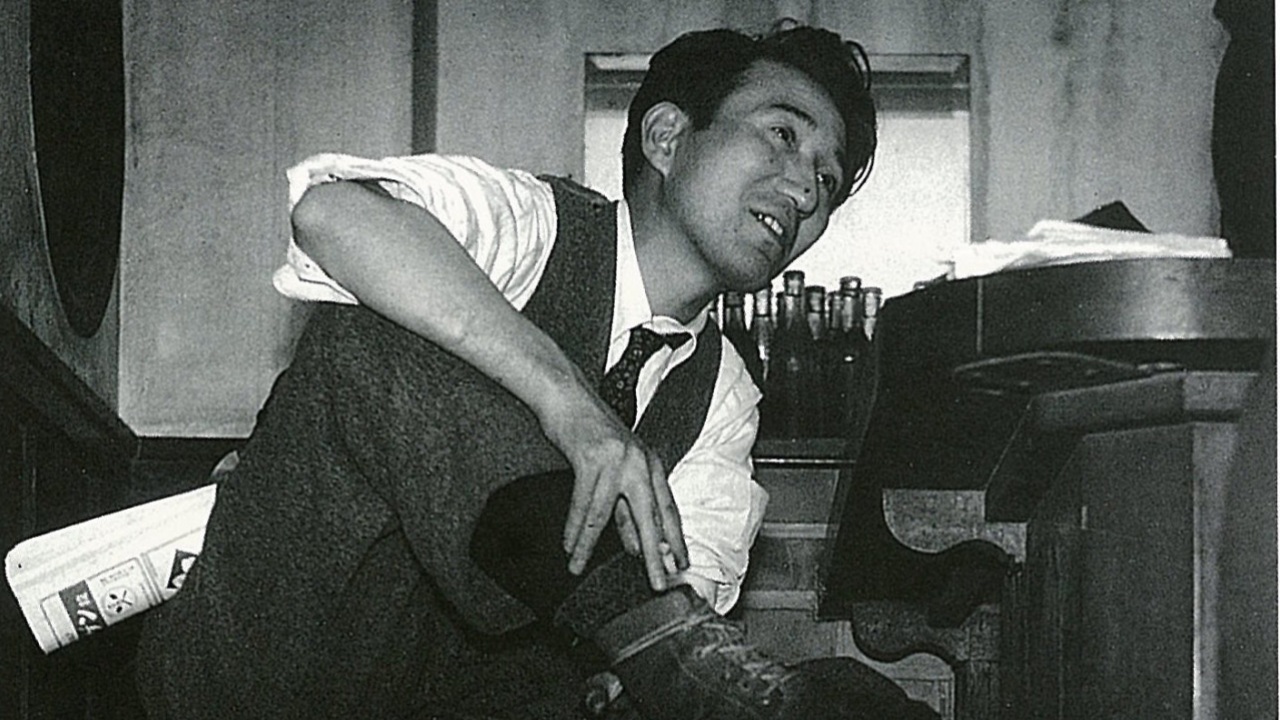
We have been sold a dangerous lie about comfort. Modern culture pushes the narrative that a good life is an easy life, a frictionless journey where struggle is treated as a malfunction rather than a feature. When Daisaku Ikeda observed that a peaceful life does not mean a life free of toil and suffering, he dismantled the modern wellness myth. Peace is not the absence of storm. Peace is the internal stability to weather it.
Yet society spends billions trying to engineer human existence into a smooth, unyielding highway of convenience. This pursuit of effortless joy creates fragile individuals. When every minor inconvenience triggers a crisis, the problem is not the environment. The problem is the elimination of friction. Growth requires resistance. Muscles tear to rebuild stronger, minds sharpen against difficult problems, and human character hardens only when forged in the fire of sustained effort.
The Anatomy of the Comfort Trap
Look at modern lifestyle marketing. Every product promises to save time, remove effort, or eliminate pain. While efficiency has its place, the systematic removal of physical and mental toil has corroded our resilience. When comfort becomes the ultimate metric of success, hardship transforms from a natural phase of life into an existential threat.
This is where the misunderstanding of happiness takes root. People chase hedonistic pleasure, assuming it equates to fulfillment. Psychologists call this the hedonic treadmill. You acquire the comfortable chair, the automated home, the frictionless job, and the initial spike of satisfaction quickly fades. You adapt. You require a larger dose of ease to feel the same baseline contentment.
True fulfillment operates differently. It runs on eudaimonia, a Greek concept meaning human flourishing through purpose and virtue. Purpose requires a target. Targets demand work. Therefore, any meaningful definition of a peaceful life must account for the sweat equity required to build it.
The Science of Friction
Human biology did not evolve for perpetual ease. Our ancestors survived through relentless adaptation against hostile environments. The neural pathways responsible for gratification, problem-solving, and emotional regulation developed in response to real scarcity and physical demand.
When modern humans sit in climate-controlled rooms, eating hyper-palatable foods that require zero hunting or preparation, the brain still craves challenge. Deprived of external obstacles, the mind often turns inward, manufacturing anxiety and distress out of thin air.
Consider how physical training operates as a metaphor for mental resilience. Weightlifting is literally the act of picking up heavy things and putting them down repeatedly for no immediate economic gain. It is a controlled form of toil. Muscles do not grow by wishing them larger; they grow by micro-tearing under heavy loads. The nervous system adapts to the stressor.
Apply this exact mechanism to emotional life. Avoiding difficult conversations, quitting jobs at the first sign of friction, or insulating oneself from emotional discomfort does not protect the psyche. It atrophies it. When a real crisis arrives—a divorce, a career collapse, a health scare—the person who has never practiced enduring hardship collapses under the weight.
Re-evaluating Toil and Suffering
Ikeda's philosophical stance forces a stark realization. Suffering is not a sign that you are failing at life. Often, it is proof that you are engaged in something that matters.
Think about creative work. Writing a book, building a company, raising a child, or mastering an instrument involves hours of grinding frustration. There are days when the effort feels entirely unrewarded. If happiness required an absence of this suffering, every creative endeavor would be abandoned immediately. Instead, creators report a deep, resonant satisfaction that exists alongside the daily exhaustion.
The distinction lies between destructive suffering and constructive toil. Destructive suffering stems from abuse, neglect, or systemic oppression—conditions that must be actively fought and dismantled. Constructive toil, on the other hand, is the voluntary or accepted burden assumed in the pursuit of a worthy goal.
When a person accepts constructive toil, their relationship with hardship changes. It ceases to be an enemy and becomes material. The writer uses writer's block as data about the argument. The entrepreneur uses market rejection as a signal to refine the product. The individual uses personal grief as a catalyst for deeper empathy.
The Illusion of the Untroubled Mind
People often look at individuals who project deep serenity and assume they must live charmed lives. This is an illusion. Serenity is rarely a gift of circumstance. It is usually the hard-won dividend of someone who has survived profound loss, financial ruin, or internal darkness and refused to let those forces break their core purpose.
A peaceful life is an active verb. It requires daily maintenance, boundary-setting, emotional labor, and the willingness to face difficult truths about oneself. Avoiding these tasks brings temporary relief but long-term stagnation.
If you want peace, stop looking for an escape route from effort. Look for better things to struggle for. The depth of your peace will ultimately match the depth of the toil you are willing to endure for what you value.