You strap yourself into a tight economy seat, pop in your headphones, and wait for takeoff. You assume turbulence is the worst thing that will happen. You don't expect to wake up restrained with heavy-duty silver adhesive because your brain decided to take a terrifying vacation from reality.
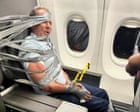
When Frontier Airlines passengers watched a man get bound to his chair with tape in the middle of a flight, it felt like a bizarre scene from a dark comedy. But for Maxwell Berry, the twenty-two-year-old at the center of the chaos, the entire ordeal vanished into a black hole. His infamous quote to authorities—that he didn't remember any of it—sparked a massive debate about alcohol limits, altitude psychology, and mid-air behavioral crises. For a more detailed analysis into similar topics, we recommend: this related article.
Let's look at what actually happens when altitude meets total memory loss, why people snap in aluminum tubes thirty thousand feet in the air, and how aviation security handles passengers who lose control.
The Science Behind Mid-Air Amnesia and Blackouts
People love to point fingers and scream about bad character when a passenger misbehaves on a flight. While poor choices play a huge role, biology changes drastically inside a commercial cabin. For further details on the matter, in-depth reporting can also be found at The New York Times.
Cabin altitude isn't sea level. Most commercial airliners maintain cabin pressure equivalent to an altitude of six thousand to eight thousand feet. This means your body takes in less oxygen than it would on the ground.
When you mix lower oxygen saturation with altitude pressure, alcohol hits the bloodstream differently. It doesn't necessarily make you drunker faster in a linear way, but it drastically amplifies dehydration, dizziness, and cognitive impairment.
Add high stress, cramped seating, and pre-flight drinking to the mix, and you create a cocktail for a dissociative state or a complete alcohol-induced blackout.
Berry wasn't just sipping a quiet glass of wine. Reports showed he had multiple drinks, harassed flight attendants, and physically lashed out before crew members and passengers pinned him down. When he woke up wrapped like a metallic mummy, his brain simply had no files saved for the previous hour. Amnesia from severe intoxication is a genuine neurological glitch. Alcohol disrupts the hippocampus, preventing the brain from converting short-term memories into long-term storage.
He literally forgot. But forgetting doesn't mean forgiving. The legal system doesn't care if your brain saved the memory file. If you commit a federal offense at high altitude, you face the music whether you remember the song or not.
Why Flight Crews Rely on Extreme Restraints
When a passenger turns violent, flight attendants don't have the luxury of waiting for police intervention. They are miles away from the nearest precinct. They are the first responders, the security detail, and the peacekeepers all rolled into one.
Using duct tape or heavy plastic zip ties looks barbaric to passengers watching from row twelve. It looks like an overreach of authority. But aviation safety protocols prioritize survival above all else.
If a frantic traveler tries to open an emergency exit door mid-flight—a physical impossibility due to cabin pressure differentials, though terrified passengers don't always know that—or starts punching crew members, immediate physical neutralization is the only option.
Airlines carry specialized restraint kits, but crew members often have to improvise when things escalate instantly. Duct tape is surprisingly effective. It’s strong, pliable, and readily available in maintenance lockers.
The Federal Aviation Administration maintains a strict zero-tolerance policy against unruly passengers. When a traveler forces a plane to divert or attacks staff, the financial penalties are staggering. We are talking about tens of thousands of dollars in individual civil fines, plus placement on lifetime airline no-fly lists and federal criminal charges.
The Breaking Point of Modern Air Travel
Flying sucks right now. Let's be honest about the experience.
Airlines pack seats closer together than ever. Legroom has shrunk to microscopic levels. Overhead bin space turns into a blood sport before boarding even finishes. Delays stretch for hours without proper communication, and ticket prices keep climbing while service shrinks.
This creates a high-anxiety environment before the wheels even leave the runway.
Combine systemic travel fatigue with people who view airplane cabins as open bars, and you have a recipe for disaster. Airports sell high-proof alcohol around the clock. Travelers down doubles at 7:00 AM to numb travel anxiety, forgetting that flying alters how their bodies process substances.
Airlines have tried cutting off service or limiting airport bar sales, but enforcement is wildly inconsistent. Bartenders keep pouring because airport concessions rely heavily on alcohol sales to stay profitable. Until the industry fixes the root causes of passenger rage—cramped conditions, poor communication during delays, and unchecked pre-flight drinking—we will keep seeing viral videos of people taped to chairs.
How to Protect Your Peace in the Skies
You can't control what the passenger in seat twenty-four does, but you can protect your own sanity and safety.
Skip the airport drinks entirely. If you want to arrive at your destination without a pounding headache, swollen ankles, and jagged anxiety, water is your best friend.
Know your limits if you choose to imbibe. The general rule of thumb is one drink on the ground equals two in the air.
If you see someone escalating, don't play amateur security guard. Alert a flight attendant immediately and let the professionals handle the situation. They train specifically for hostile environments.
Keep your headphones on, focus on your own trip, and remember that thirty thousand feet is no place to lose your grip on reality.