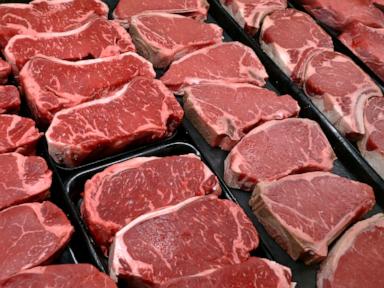
Walk past the meat case this election season and you'll see why a simple pound of ground beef turned into a campaign weapon. Prices didn't just creep up. They jumped enough to make shoppers pause and stare at the sticker before tossing a pack in the cart.
According to U.S. Bureau of Labor Statistics data tracked via Federal Reserve Economic Data, the average U.S. city price of 100% ground beef hit $6.755 per pound in October 2026, after touching $6.923 in August and sitting near $5.55 in January 2025. That's a steep climb for a staple that families rely on for weeknight tacos, burgers, and meatloaf. Politicians noticed right away. Voters felt it at the register, and candidates on both sides tried to pin the blame—or claim the fix. In related developments, take a look at: What Happens When Childhood Becomes a Security File.
The political fight over beef prices during the 2026 midterms got loud fast because it mashed together two completely different grievances. Shoppers saw higher grocery bills and blamed whoever held power or set trade rules. Meanwhile, cattle ranchers saw import shifts and market swings and felt squeezed from the other side. Reuters has provided coverage on this critical subject in extensive detail.
Honestly, a lot of the campaign talk skips the biology and math behind cattle production. You can't print a cow on a press, and you can't rush a calf to market overnight.
Why Beef Prices Climbed So Sharply
The biggest reason beef costs what it does right now isn't a single bill passed last month. It's a multi-year supply squeeze colliding with steady appetite.
USDA cattle inventory data reported in early 2026 put total U.S. cattle and calves at 86.2 million head on January 1, 2026—down roughly 300,000 head from the prior year and sitting at a 75-year low. When the national herd gets that small, every hiccup in feed costs, pasture conditions, or exports ripples straight through the supply chain.
Several forces stacked up to keep prices elevated:
- A slow biological clock. Even when ranchers decide to hold back heifers to rebuild their herds, those calves take roughly two years or more to mature and enter the beef supply. American Farm Bureau Federation analysts have pointed out that meaningful herd growth likely won't show up until at least 2028.
- Pasture stress and herd contraction. Years of drought pressure, shifting input costs, and earlier liquidations thinned out breeding stock. Once cows go to market, getting those numbers back up takes patience and capital that many producers don't have in abundance.
- Freight and energy spillovers. Higher fuel and shipping costs don't stop at the gas pump. Moving livestock, feed, and chilled meat across long distances adds cost at nearly every stop before beef hits retail shelves.
- Stubborn consumer demand. Even when prices rise, plenty of households still buy beef—sometimes trading down from expensive steaks to ground beef or smaller portions rather than dropping it completely.
How Beef Turned Into a Midterm Battleground
During the 2026 midterms, meat became shorthand for affordability and economic competence. Challengers pointed to higher grocery and restaurant tabs to argue that living costs were still pinching families. Incumbents and their allies pointed back to earlier inflation pressures, regulatory burdens, or global market disruptions.
What made the issue especially tricky in farm and ranch states was trade policy. In 2026, the Trump administration moved to expand beef imports—including increasing access and tariff-rate quotas involving Argentine beef and lean beef trimmings—aiming to ease supply tightness and help keep consumer prices in check.
That move created a classic political bind. Many economists noted that the added import volumes were relatively modest compared with total U.S. beef consumption, meaning they were unlikely to slash grocery prices overnight. Yet domestic cattle groups and lawmakers from ranching states pushed back hard against bringing in more foreign beef while U.S. producers were already navigating tight margins and volatile markets.
Later in the summer, the USDA rolled out its Ranchers First Initiative to support heifer retention through risk-management tools and give ranchers more flexibility on conservation grasslands after disasters. Still, policy announcements take time to change what happens on thousands of independent ranches.
What Ranchers and Shoppers Miss About Each Other
If you talk to a shopper in a city supermarket and a cow-calf producer in rural country, they're often looking at the exact same price chart and seeing two different realities.
Shoppers see $6.75-plus ground beef and feel nickel-and-dimed every time they plan family meals. It's easy to assume someone along the chain is simply jacking up prices because they can.
Ranchers, on the other hand, don't automatically pocket every extra dollar a shopper pays. Feed bills, equipment, interest rates, land costs, and processing bottlenecks eat into returns, and drought or market swings can wipe out a good year fast. Saying "just raise more cattle" sounds simple until you look at cash flow and multi-year timelines.
Why Quick Fixes Rarely Move the Needle Fast
Whenever food prices spike during an election cycle, politicians love promising fast relief. With beef, fast relief is tough to deliver.
Opening import quotas slightly can add lean trimmings for blending, yet total U.S. consumption dwarfs small quota increases. Meanwhile, encouraging ranchers to keep heifers for breeding actually reduces near-term beef supply slightly today in exchange for more cattle down the road. That tension—short-term supply versus long-term herd rebuilding—is baked right into the cattle cycle.
Smart Ways to Stretch Your Beef Budget Now
You can't control cattle inventories or trade negotiations, but you can keep your grocery bill from getting out of hand while prices stay elevated.
- Buy by total package cost, not just unit price. A family pack of ground beef or chuck roast often costs less per pound than smaller trays, especially when you portion and freeze what you won't use within two days.
- Stretch ground beef without losing flavor. Mixing finely diced mushrooms, lentils, or cooked grains into burger patties or pasta sauces adds bulk and moisture while cutting the pounds of beef needed per meal.
- Lean on tougher cuts—and cook them slow. Chuck roast, bottom round, and brisket need moist heat or low-and-slow cooking, yet they usually cost less per pound than tenderloin or ribeye and reward you with rich flavor.
- Watch weekly store ads and stock up selectively. Beef prices bounce around month to month depending on seasonal grilling demand and retail promotions. When your local grocer runs a genuine sale on a cut you use regularly, grab an extra pack for the freezer instead of buying full-price at random.
- Mix in poultry, pork, or beans on busy nights. Swapping beef out for chicken thighs, pork tenderloin, or black beans two nights a week takes real pressure off your food budget without turning dinner into a chore.
Track the USDA Economic Research Service Food Price Outlook or FRED's BLS ground beef price series if you want to see whether retail prices are cooling or climbing in your area before planning big freezer stock-ups.