The Price of an Orange Seat
The fluorescent lights of an airport terminal at 5:00 AM possess a unique kind of cruelty. They reflect off polished linoleum, illuminating tired faces, crying toddlers, and rows of bright orange vinyl seats. To the holidaymaker clutching a cheap ticket to Malaga, that orange logo represents a fragile promise. It is the promise of escape, bought for less than the price of a decent dinner.
But high above the terminal, in glass boardrooms where people do not fly budget airlines, that same orange logo represents something entirely different. It is a chess piece. A cash cow. A target.
News broke quietly, as these things often do, buried under the sterile jargon of regulatory filings. A rival bidder had stepped forward to buy easyJet, topping a previous, fiercely rejected offer. On paper, it was a routine corporate raid—a calculus of share prices, premium premiums, and debt restructuring. In reality, it was a knife fight for the soul of European aviation.
When a giant company faces a takeover, we are conditioned to look at the numbers. We watch the stock tickers bounce. We listen to analysts use words that mask human reality. But to understand why this corporate turf war matters, you have to leave the city and stand on the tarmac. You have to look at the invisible lines connecting a billionaire’s bank account to the flight crew working their third leg of the day.
The Phantom on the Trading Floor
Consider a hypothetical investor we will call Marcus. Marcus does not care about the quality of the onboard panini. He has never sprinted through Luton Airport trying to make a final boarding call. To Marcus, easyJet is a collection of slots—precious, legally protected time stamps that allow aircraft to land and take off at capacity-constrained hubs like London Gatwick.
For months, rumors swirled that a predatory suitor was circling. The first offer was dismissed by the airline's board as "lowball," a polite corporate term for an insult. The board dug in, signaling they would fight to keep the airline independent. Then came the counter-punch. A rival bidder stepped out of the shadows with a number too large to ignore.
Money changes the atmosphere in a room instantly. It turns defensive pride into fiduciary panic. Suddenly, the executives who had spent weeks proclaiming their loyalty to the company’s independent vision had to face a brutal truth. Their job is not to protect a brand. Their job is to maximize value for people who will never step foot on their planes.
This is where the corporate narrative usually splits from the human one. The financial press covers the bid as a victory for shareholders. But for the twenty thousand people who wear the orange uniform, that rising stock price feels less like a victory and more like an impending storm.
The View from Cabin 14B
To understand the stakes, look at Sarah. She is a flight attendant who has spent seven years navigating the narrow aisles of an Airbus A320. She knows exactly how much pressure it takes to snap a cart brake into place. She can spot a nervous flier from three rows away just by the tension in their knuckles.
For Sarah, a takeover is not an abstract financial event. It is a threat to the fragile equilibrium of her life.
New ownership almost always arrives with a scalpel. When a rival pays a massive premium to buy an airline, they have to claw that money back somehow. They look at the balance sheet and see "labor costs." Sarah looks at the same sheet and sees her rent, her pension, and the minutes of rest she is legally allowed between shifts.
Budget aviation is already a game of millimeters. The turnaround times are legendary. A plane lands, empties, cleans, fills, and departs again in less than forty minutes. It is a high-wire act performed dozens of times a day across a continent. If the new owners decide to squeeze another two minutes out of that turnaround, or cut one flight attendant from the roster, the entire system begins to fray.
The passenger in seat 14B notices the change slowly. First, the baggage fees creep up. Then, the legroom shrinks by another half-inch. The free water disappears. These are not random inconveniences; they are the direct echoes of a boardroom victory that happened months earlier. The money used to outbid the competition has to be extracted from somewhere. Usually, it is extracted from the passenger's comfort and the employee's sanity.
The Chessmasters and the Founder
The drama of easyJet is compounded by its history. Unlike newer, faceless corporations, this airline has a creator whose shadow still looms large. Sir Stelios Haji-Ioannou founded the carrier in the nineties with just two leased aircraft. For decades, his relationship with the company has been a tempestuous public soap opera. He has sued his own board, campaigned against expansion plans, and loudly criticized executives from his Mediterranean stronghold.
When a rival bidder arrives, the founder’s role becomes fascinating. Does he cash out, taking his billions and walking away from his creation? Or does he view the takeover as an act of sacrilege?
This emotional tether complicates the cold logic of finance. It reminds us that even at the highest levels of global capitalism, ego and legacy matter just as much as algorithms. The board wants to save their jobs and look competent. The bidder wants market dominance. The founder wants to protect his name.
Meanwhile, the market waits for no one. European skies are crowded, expensive, and heavily regulated. The post-pandemic travel boom proved that people desperately want to fly, but inflation has made them fiercely price-sensitive. In this environment, scale is everything. The rival bidder knows that if they swallow easyJet, they become an undisputed titan, capable of dictating prices from Edinburgh to Athens. If they fail, they remain vulnerable to being swallowed themselves.
What Remains When the Ink Dries
The bidding war will eventually end. The lawyers will collect their astronomical fees, the press releases will be distributed, and the signatures will dry on the final contracts. The financial markets will move on to the next target.
But the airplanes will still be there.
They will still sit on the tarmac in the freezing gray mist of a British winter morning. The ground crews will still pull luggage from the holds with frozen fingers. The pilots will still calculate fuel loads against head-winds over the Alps.
The true cost of a corporate takeover is rarely calculated in the initial transaction. It is paid out in small installments over years. It is paid by the travelers who find fewer routes available because unprofitable destinations were cut to please the new board. It is paid by the crews who are asked to do more with less.
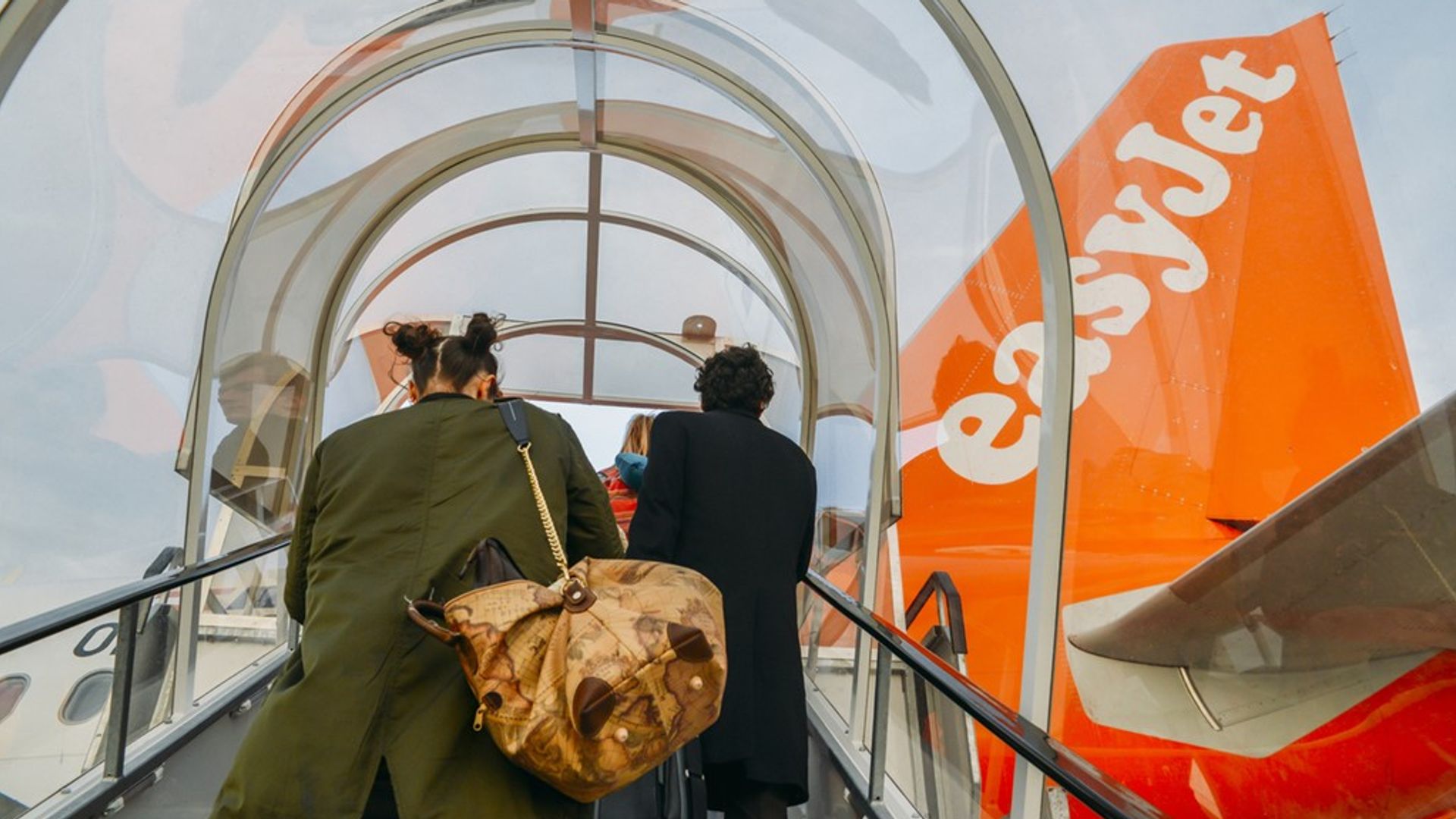
The next time you see that bright orange tailfin cutting through the clouds, look past the corporate drama. The real story isn't the billionaire who bought the airline. It is the defiance of an industry that manages to keep millions of tons of metal in the sky every single day, regardless of who owns the deed.