The Anatomy of a Financial Collapse
Financial rot rarely announces itself with a loud explosion. It usually begins as a quiet hum in the back rooms of regulatory agencies, ignored by executives who believe their political insulation will outlast the balance sheet. In Brazil, the Banco Master crisis has mutated from a regional banking failure into a central weapon of the upcoming presidential campaign. The institution's rapid rise and subsequent unraveling exposed deep structural vulnerabilities in how mid-tier banks operate, interact with debt markets, and secure political protection.
For years, Banco Master expanded through aggressive acquisitions and high-yield credit portfolios that raised eyebrows among seasoned market analysts. When the liquidity dried up and the true extent of the portfolio's deterioration became impossible to conceal, the fallout reached far beyond the financial sector.
The story of Banco Master is not simply about bad loans or poor risk management. It is a masterclass in how proximity to power shields questionable financial engineering until the gravity of economic reality takes over.
Following the Money Trail
When investigating banking scandals, the trail always leads back to the mechanisms of credit creation and regulatory oversight. Banco Master relied heavily on specialized credit rights investment funds, known locally as FIDCs. These instruments allow institutions to package corporate receivables and sell them to investors. Under the right conditions, they are legitimate tools for liquidity. In the hands of aggressive lenders, however, they can become black boxes where distressed assets are continually refinanced to project an illusion of solvency.
Journalists tracking the collapse discovered a complex web of interrelated transactions designed to mask non-performing loans. The central bank's early interventions revealed a stark mismatch between reported capital reserves and actual risk exposure.
- Aggressive Yields: Offering returns significantly above the market average to attract retail and institutional depositors.
- Opaque Portfolios: Parking distressed corporate debt within complex investment funds to keep toxic assets off the primary balance sheet.
- Political Hedging: Cultivating relationships across party lines to delay aggressive regulatory audits and enforcement actions.
This triad of practices created a fragile ecosystem. Every time market conditions tightened, Banco Master required fresh inflows of capital or new corporate acquisitions to service older obligations. It was a classic cycle that ultimately collapsed under its own weight.
The Presidential Campaign Battleground
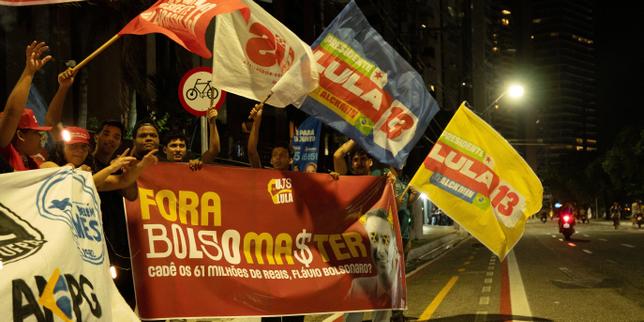
Politicians rarely let a major financial crisis go to waste, and the Banco Master affair has provided both the ruling coalition and the opposition with heavy ammunition. As the presidential race accelerates, the scandal has become a proxy war over regulatory competence and institutional corruption.
Opposition figures point to the timing of regulatory warnings and question whether political interference kept oversight bodies from acting sooner. Meanwhile, government allies attempt to frame the collapse as a symptom of a broader, systemic challenge facing the entire financial sector, arguing that swift government intervention prevented a wider panic.
The public fallout has transformed boardroom maneuvers into populist talking points. Voters squeezed by inflation and high interest rates are being asked to digest complicated explanations of banking regulation, corporate governance, and political patronage.
Beyond the Headlines
The true significance of the Banco Master collapse extends far beyond the immediate political theater. It forces a reckoning within the Brazilian financial regulatory framework. If mid-tier banks can exploit loopholes in FIDC reporting structures to obscure billions in bad debt, then the system requires a complete overhaul of its transparency mechanisms.
Investors are already pricing in higher risk premiums for secondary financial institutions, making it harder for legitimate regional lenders to secure funding. This credit contraction threatens to slow economic activity in sectors that rely on alternative lenders outside the major traditional banking conglomerates.
The scandal has also exposed the limitations of existing watchdog agencies. When political connections can stall investigations for months or years, public trust in market integrity evaporates. Restoring that trust will require more than campaign promises or temporary leadership changes at regulatory boards.
As the presidential candidates trade accusations on national television, the structural flaws that allowed Banco Master to expand unchecked remain largely unaddressed. The election will pass, governments will change, but unless the underlying mechanisms of financial oversight are fundamentally rewritten, the next collapse is only a matter of time.