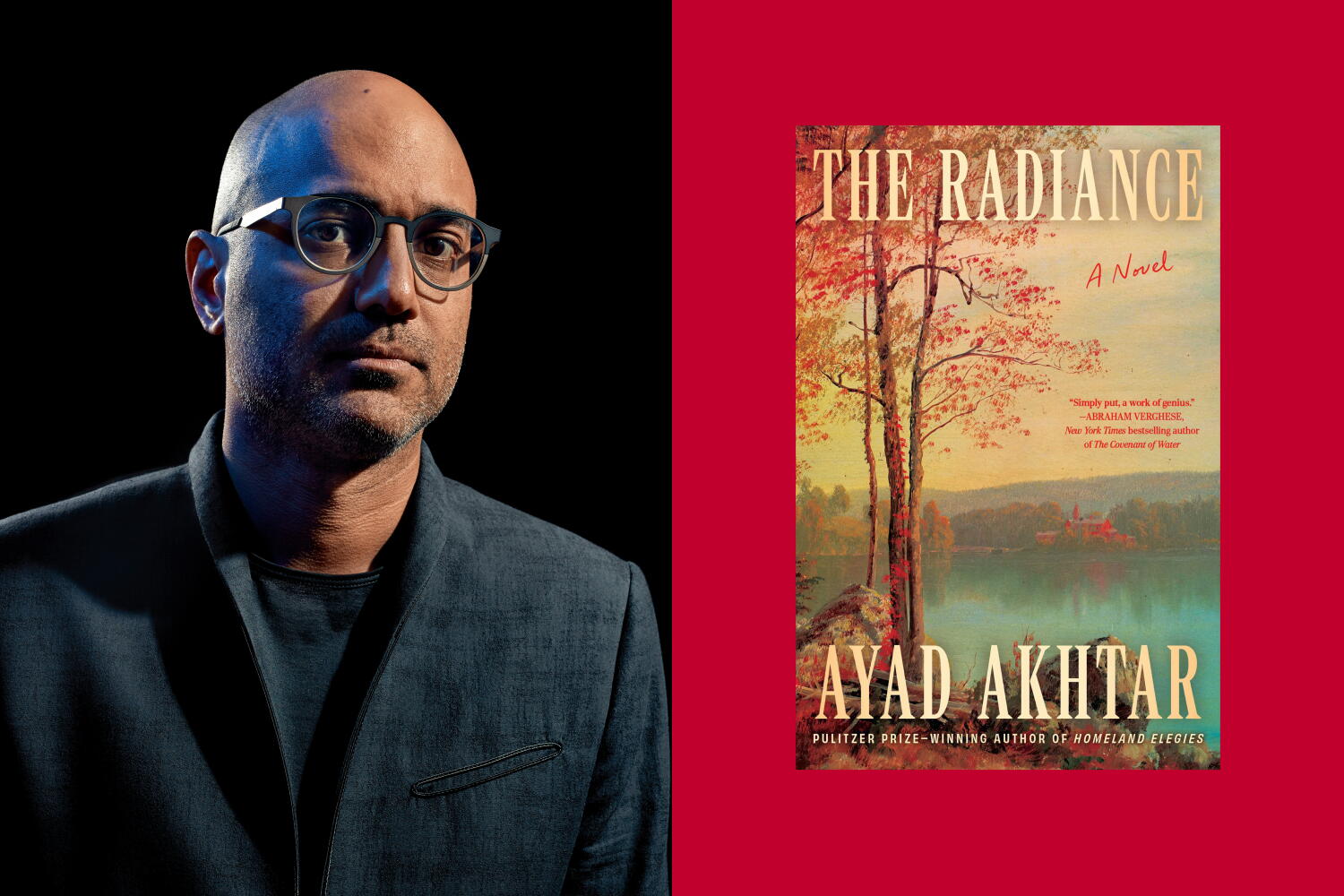
The traditional novel format feels increasingly broken. Readers constantly crave immediate truth, yet strict nonfiction often lacks the emotional resonance of a well-crafted story. Enter Ayad Akhtar. The Pulitzer Prize-winning author has spent years interrogating the boundaries of truth, identity, and storytelling in America. Instead of sticking to traditional formulas, he has weaponized a new style of narrative that hits closer to home than standard fiction ever could.
The Death of Traditional Distance
For decades, autofiction relied on a safe cushion of deniability. An author would change a few names, alter a few locations, and claim the events were purely imaginary while inviting readers to guess the real-life inspirations. Akhtar treats this convention with utter impatience.
When discussing his approach to books like Homeland Elegies and later works, Akhtar has rejected the neat boundaries of standard autofiction. He doesn't want readers maintaining a polite, literary distance from the text. He wants to close the gap entirely.
Think about how we consume media today. We scroll through hyper-personalized feeds where real life, performance, and manufactured outrage bleed into a single continuous stream. Akhtar's writing mimics this modern psychological condition. It functions less like a quiet afternoon at a library and more like high-stakes reality television, where the narrator shares the author's name, mistakes, and cultural anxieties, daring you to look away.
Why Social Media Broke the Old Novel
Our collective attention span didn't just shorten by accident. Algorithms trained us to seek constant emotional spikes. Traditional novels that require fifty pages of slow exposition struggle to compete with the erratic pacing of modern life.
Akhtar understands this shift on a deep level. His characters wrestle with debt, political polarization, and the exhausting performance of identity in a surveillance-heavy society. By placing a protagonist named Ayad at the center of these storms, he collapses the barrier between authorial authority and readerly judgment. You aren't just observing a character make poor choices; you're watching a writer publicly interrogate his own complicity in the very systems he critiques.
This strategy upsets critics who prefer clean lines between fiction and memoir. But those critics miss the point. We live in an era where public figures constantly blur the personal and the theatrical. Fiction has to adapt or become irrelevant.
Reality TV as a Literary Blueprint
It sounds almost herissical to compare literary fiction to reality TV, but the comparison unlocks everything Akhtar is trying to achieve. Reality television works because it exploits the tension between what is staged and what feels raw.
Akhtar borrows this mechanism to dismantle the immigrant experience, financial anxiety, and modern ambition in America. When a narrator shares deeply embarrassing compromises or uncomfortable family dynamics under their own real name, the stakes change. You stop reading for stylistic flair alone and start reading for the psychological vulnerability. It's risky. It leaves the author exposed to cheap biographical gossip. Yet, that exact risk gives the work its electric current.
Moving Past the Autofiction Label
Autofiction has become a tired buzzword in literary circles, often used to describe any contemporary novel where a sad protagonist walks around a city thinking about their failed relationships. Akhtar's work belongs in an entirely different category. It's social critique disguised as confession.
If you want to understand why contemporary literature feels so frantic and urgent right now, stop looking at traditional bestseller lists. Look at how writers are reacting to the collapse of shared facts. Akhtar isn't just writing stories about himself; he's using his own name as a diagnostic tool to examine a fractured culture.
Pay attention to how upcoming storytellers handle personal narrative over the next few years. The ones who matter will abandon safe distance entirely and embrace the messy, uncomfortable reality of the digital age.
The Radiance: Ayad Akhtar's New Novel Explored
This interview provides a direct look into Ayad Akhtar's mindset regarding his craft, structural risks, and how contemporary storytelling continues to evolve.


