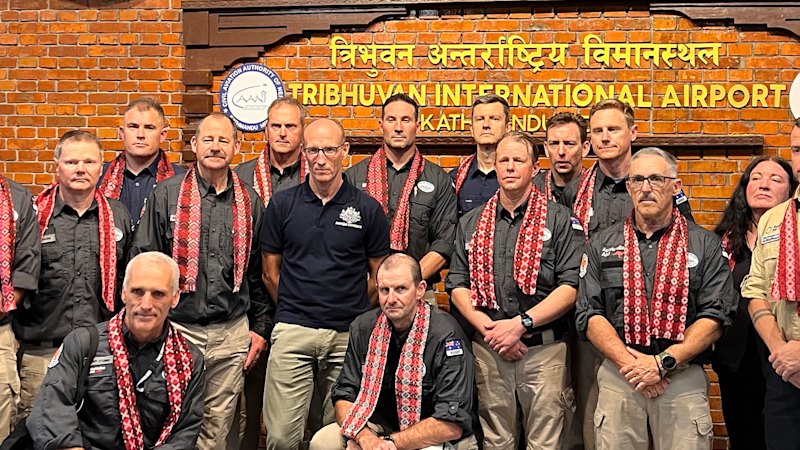
A catastrophic glacier collapse near the Tibetan border triggered massive flash floods across Nepal, leaving towns buried under thick mud and claiming over 1,200 lives. Amid the chaos, dozens of foreign nationals and citizens remain unaccounted for. Australia has responded by deploying a specialized 15-person team of drone operators from New South Wales and Queensland to Kathmandu.
Time is running out. Families are desperate for answers.
The Reality on the Ground in Nepal
The scale of the disaster is staggering. Official figures place the missing count near 4,800 people, which includes hundreds of foreign nationals. Among them, 36 Australians are still missing, prompting grave concerns from federal authorities in Canberra.
Infrastructure damage makes traditional search efforts nearly impossible in many sectors. Collapsed bridges, blocked mountain roads, and unstable terrain mean ground crews cannot move quickly. Heavy rain and fog frequently halt operations, leaving rescue workers staring down thick, treacherous mud.
"When you're exhausted, sometimes your mind plays tricks on you... but once rescuers hear there might be someone alive, this spurs you on." — Arnold Dix, Melbourne-based engineer and geologist
Specialized Technology Meets Impossible Terrain
Standard search methods fall short when entire valleys are swallowed by debris. That is why the newly arrived Australian contingent brings advanced tactical tech to the region.
The 15-member unit consists primarily of specialist drone operators equipped to scan massive, isolated disaster zones. These aerial tools can reach ravines and destroyed infrastructure that are entirely unsafe for human foot patrols. Alongside the drone operators, Australian Federal Police disaster victim identification specialists are stepping in to assist local authorities.
This deployment slots directly into a broader $11 million Australian humanitarian response. Earlier flights delivered essential survival gear, including hygiene kits, solar lights, and portable phone chargers.
How International Aid Works During Crises
Deploying foreign rescue personnel requires careful diplomatic coordination. Local Nepalese authorities initially managed immediate search operations internally, but scaled up requests as technical needs outpaced local capacity.
When nations send help, success depends entirely on integration. The Australian personnel are working directly under local direction, targeting areas where missing citizens were last known to stay. Infantry and drone footage share a single objective: finding survivors trapped in hidden pockets, such as underground hydropower tunnels where workers have occasionally beaten the odds.
If you want to support ongoing recovery efforts safely, trusted humanitarian organizations like the Australian Red Cross and the Emergency Action Alliance are coordinating direct aid on the ground. Check official foreign affairs updates for verified channels before donating.


.png?width=1200&auto=webp&trim=0%2C0%2C0%2C0)