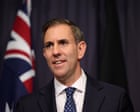
If you listen to Treasurer Jim Chalmers, the Australian economy is doing just fine. It is steady. It is fighting through global storms. When the latest national accounts hit the desk, showing a brutal slowdown in early 2026, Chalmers was quick to point out that the annual real GDP growth held steady at 2.5% for the year ending in March. He called it really solid under the circumstances.
But let's be honest. For ordinary Australians, it doesn't feel solid at all.
The reality on the ground is that living standards are sliding backward again. Scratch beneath the surface of that 2.5% annual figure, and you find a much grimmer picture. In the first three months of 2026, the economy didn't roar. It barely crawled, expanding by a fraction of a percent. The only reason the numbers didn't look completely disastrous is an unexpected boom in building datacentres to feed the artificial intelligence hunger.
The Disconnect Between Big Numbers and Empty Wallets
The biggest problem with the Treasurer's optimistic messaging is that macro numbers don't pay the rent. While annual growth looks acceptable because of a strong finish to last year, the immediate momentum has vanished.
After expanding by 0.9% in the December quarter of 2025, real GDP growth faltered to just 0.3% in the three months to March 2026. That is a sharp drop. When population growth is running faster than economic growth, it means every individual's slice of the pie is actually shrinking.
What is keeping the headline numbers alive? It isn't household consumption or booming exports. It is business spending on machinery and equipment, specifically corporate investments into tech infrastructure. Datacentre construction is booming at a pace we haven't seen since the end of the mining investment boom fifteen years ago. It is a massive structural shift, but a new datacentre in western Sydney doesn't help a family in Brisbane pay for groceries this week.
A Perfect Storm of Inflation and Global Shock
The domestic slowdown isn't happening in a vacuum. The economy was already losing steam under the weight of previous interest rate hikes, but recent global events have thrown gas on the fire.
The escalation of the war in the Middle East in late February, including heavy disruptions to shipping and energy corridors, has delivered a massive supply shock. Consider these facts from the latest Treasury data:
- Global oil prices have spiked well above $100 per barrel.
- Supply chain snarls have trapped vital agricultural inputs like fertilisers, driving up international food production costs.
- Local headline inflation is now on track to peak around 5% by mid-year.
Chalmers has repeatedly warned that this conflict is punishing Australians at the petrol pump and the supermarket checkout. Treasury modeling suggests the shock will wipe half a percentage point off domestic growth next financial year, dropping it to a meager 1.75%. If things worsen and oil spikes higher, unemployment will head toward mid-four percent levels, and inflation could spiral to over 7%.
Housing Distress and Political Fallout
The economic anxiety isn't just a headache for the Reserve Bank; it is becoming a major political threat for the Albanese Government. People are locked out of the housing market, rents are skyrocketing, and the cost of living relief isn't keeping pace with inflation.
In the federal budget, the government tried to address these anxieties directly. Chalmers introduced negative gearing modifications, capital gains tax tweaks, and changes to the treatment of trusts. The goal was to tilt the playing field back toward younger, ordinary buyers rather than property investors.
Why the sudden urgency? The government openly admits that these deep financial pressures are driving disgruntled voters toward populist right-wing parties like One Nation. The political strategy is clear: fix the economic pain before voters punish you at the ballot box.
How to Protect Your Own Finances in a Slowing Economy
You can't control what happens to the global oil supply or how many datacentres corporations build. You can, however, change how you navigate this slowdown. Hoping for quick interest rate cuts or a sudden drop in supermarket prices isn't a strategy.
First, look at your household balance sheet the way a business looks at its cash flow. If real incomes are going backward, you need to find where cash is leaking. Audit recurring subscriptions and renegotiate utilities. Insurance premiums and energy plans have jumped significantly due to inflation; switching providers can save hundreds of dollars instantly.
Second, re-evaluate your debt strategy. With inflation remaining sticky around 5%, the Reserve Bank isn't going to slash interest rates anytime soon. If you have a variable mortgage, call your bank and demand a better rate. They rarely give their best deals to loyal customers automatically; you have to ask. Prioritize paying down high-interest consumer debt, like credit cards or personal loans, which eat up disposable income faster than anything else.
Finally, focus on career capital. In a weaker job market, specialized skills matter more than ever. Take advantage of government initiatives like Free TAFE or subsidized training programs to upgrade your qualifications. Ensuring your skills match expanding sectors like renewable energy or digital infrastructure can provide a critical buffer if broader employment conditions soften later this year.