Middle Eastern maritime routes are burning, and Indian sailors are paying the ultimate price. When a commercial vessel like the MSV Al Jusufi gets struck by an unidentified aerial object near Limah off the coast of Oman, it isn't just a localized security breach. It's a direct threat to the thousands of Indian nationals who keep global supply chains moving across high-risk waters.
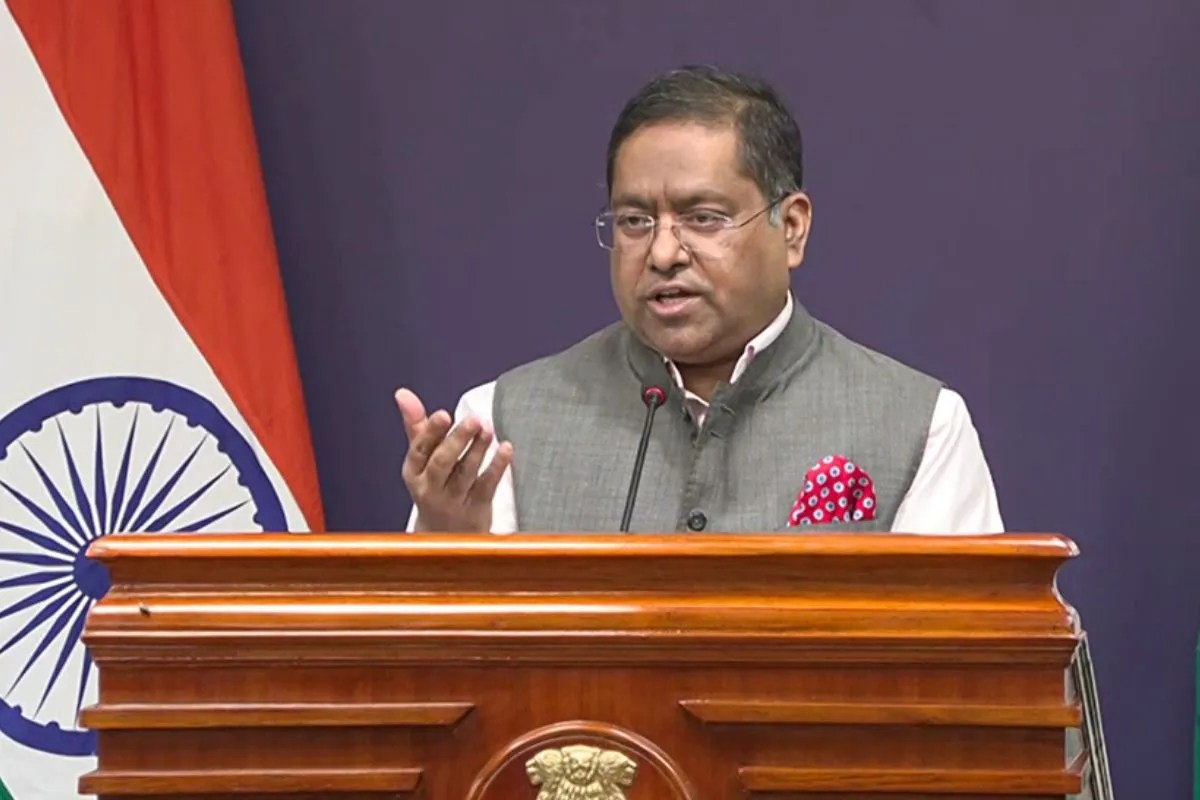
Out of the 14 Indian crew members on board during the strike, 13 were safely rescued by regional authorities, but one Indian seafarer tragically lost his life. New Delhi didn't mince words in its response. The Ministry of External Affairs (MEA) issued a sharp rebuke, demanding an immediate halt to attacks on civilian shipping and warning that international trade routes cannot be held hostage to regional conflicts.
What Actually Happened Off the Oman Coast
The incident unfolded when the vessel, flying an Indian flag, was transiting near the Strait of Hormuz chokepoint. Maritime security databases and statements from Union Minister of Ports, Shipping and Waterways Sarbananda Sonowal pointed out that an unidentified aerial threat hit the ship.
The impact caused severe damage and casualties. The deceased sailor was identified as Gandhar Nahim Aziz, hailing from Gujarat. For families back home, notifications like this are a recurring nightmare. Thousands of Indian mariners work on dhows, cargo ships, and oil tankers crisscrossing the Arabian Sea, the Persian Gulf, and the Gulf of Oman. When geopolitical tensions flare between major global players, these commercial vessels routinely get caught in the crossfire.
India's Diplomatic Stance and Immediate Response
The Indian embassy in Muscat jumped into action immediately after the strike. Coordinating closely with Omani authorities, officials worked to secure medical care for the 13 survivors and initiated procedures to repatriate the mortal remains of the fallen sailor back to India.
Beyond rescue logistics, New Delhi's foreign policy establishment put heavy pressure on diplomatic channels. The MEA's official briefing stressed several non-negotiable points:
- Immediate de-escalation of hostilities in the region.
- Absolute protection for commercial shipping lanes and civilian infrastructure.
- Unrestricted freedom of navigation through international waterways under established international maritime laws.
India isn't just asking for safety; it's demanding that shipping lanes remain open because any prolonged disruption directly threatens energy security and global commerce.
The Broader Threat to Mariners in West Asian Waters
This isn't an isolated event. Over the past year, rising friction around the Strait of Hormuz and surrounding anchorages like Sohar has turned routine commercial voyages into high-stakes gambles. Multiple incidents involving drone strikes and projectile impacts on merchant tankers have left dozens of Indian crew members injured or missing.
If you talk to marine unions or families of sailors, the frustration is palpable. Advisory warnings are issued regularly, but economic realities force many seafarers to keep sailing through dangerous zones. Shipping companies and international bodies need to upgrade security protocols drastically. Relying solely on local coast guard rescues after an attack happens is a reactive band-aid on a bleeding wound.
Protecting the men and women in the engine rooms and on the decks requires robust deterrence against aerial threats, better intelligence sharing, and strict enforcement of maritime safety zones. Until regional flashpoints see a genuine diplomatic breakthrough, every ship entering these waters remains a target, and India's quiet backbone of global trade will continue to bear the heaviest burden.