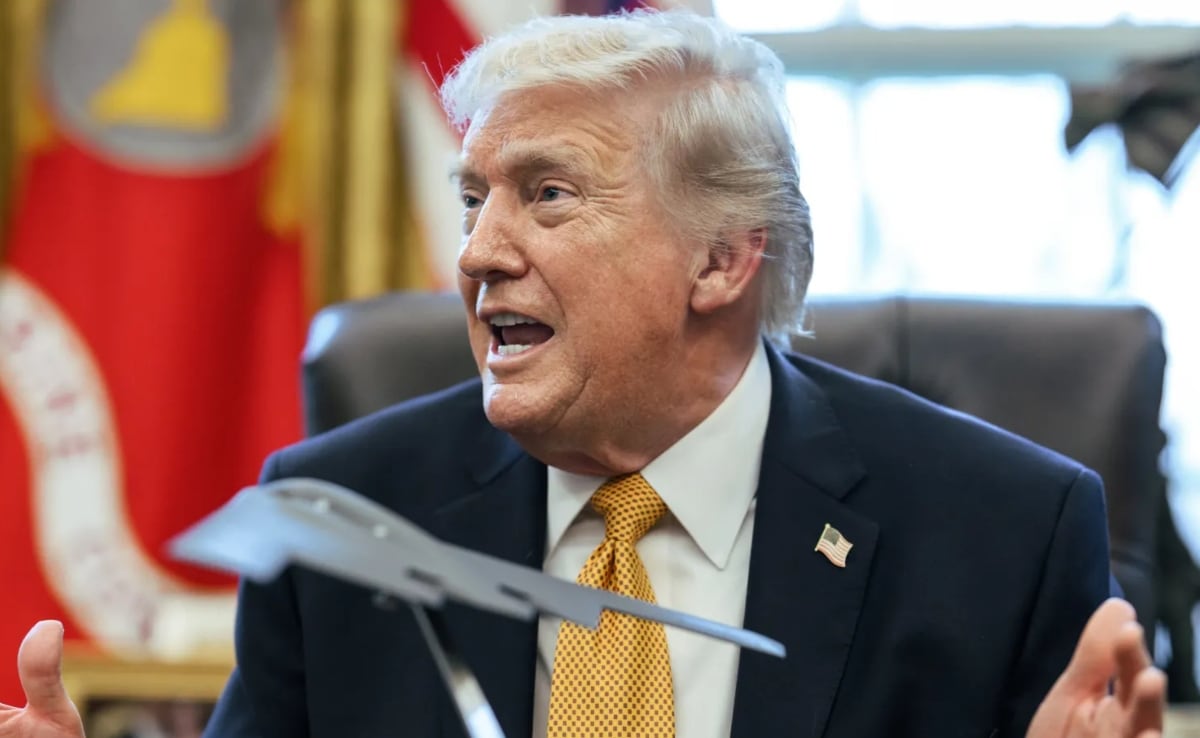
In a political theater often obsessed with the optics of strength, a peculiar rhetorical shift has emerged from the former president. During recent private donor gatherings and smaller-scale rallies, Donald Trump has begun articulating a sentiment that seems to contradict his lifelong brand as the ultimate "winner." He has reportedly remarked on his preference for "hanging with losers" and expressed a newfound disdain for those who are traditionally viewed as "successful."
On the surface, this sounds like a total reversal of the man who literally wrote the book on the art of the deal. But for anyone who has been tracking the shifting tides of American populism over the past decade, this isn't a contradiction. It is a highly calculated, albeit aggressive, tactical pivot designed to tighten his grip on his core base while isolating his political and business rivals. For another look, read: this related article.
The Rhetorical Rebrand of the Loser
Trump has always had a complicated relationship with the concept of failure. From his early days in New York real estate, his survival strategy was simple: never admit to a loss. When his Atlantic City casinos were bleeding cash and his personal debt was in the billions, he would point to a homeless man and say, "See that guy? He has a billion dollars more than me." This was more than just a joke; it was a way to framing failure as a temporary, cyclical state that only the "tough" could survive.
Now, however, he is weaponizing the "loser" label in a completely different way. By claiming to prefer the company of those who have been cast aside or failed by the system, he is performing a masterful act of empathy—or at least the populist version of it. He is telling his supporters that the "successful" elites they despise—the corporate CEOs, the Washington careerists, the "expert" class—are also his enemies. Similar reporting on this trend has been published by Wall Street Journal.
This isn't just about being a man of the people. It's about redefining success itself. In this new narrative, "success" is no longer about wealth or achievement. Instead, it’s a marker of being part of a corrupt, rigged system. By extension, being a "loser" in that system is actually a badge of honor. It means you haven't sold out. It means you’re "real."
Why Success is Now a Political Liability
The traditional American dream is built on the idea of the self-made man who climbs the ladder to the top. But for a large segment of the electorate, that ladder feels increasingly broken. Many of the people Trump is speaking to feel that the current version of success in America is something that is "done to them" rather than something they can participate in.
When Trump says he "hates guys who are successful," he isn't talking about the local plumber who built a thriving business. He is targeting the globalist success story—the kind of person who benefits from the very trade deals, tax codes, and cultural shifts that his base feels has left them behind.
- The Alienation Effect: By attacking successful figures, he validates the resentment of those who haven't reached those same heights.
- The Insider-Outsider Dynamic: It allows him to remain the "outsider" even after four years in the White House. He is the billionaire who "gets" what it’s like to be treated as a loser by the people he used to golf with.
- Loyalty over Competence: This rhetoric also serves a more practical purpose within his own organization. He has always valued loyalty over almost every other trait. A "successful" person has their own power base and their own ego. A "loser" who has been rescued by him, however, is far more likely to remain fiercely loyal.
The Psychology of the Underdog
Psychologically, this is a play on the "underdog effect." People naturally root for the person who has been counted out. By aligning himself with those who feel like they are losing, Trump is positioning himself as their champion. He isn't just their leader; he is their avatar. Their losses are his losses, and his potential "wins" are their wins.
This approach also helps him navigate his own legal and political setbacks. Every indictment, every court loss, and every political defeat can be reframed not as a personal failure, but as a sacrifice he is making for his "fellow losers." It’s a powerful narrative that turns every setback into a new reason for his followers to dig in.
The Strategy of Strategic Association
There is also a very practical, business-minded reason for this shift. Trump has always been a master of "associative branding." In the 80s and 90s, he associated himself with gold-plated towers and private jets. Now, he is associating himself with the struggle of the average American.
It’s a form of counter-programming. While his opponents try to present themselves as the most "qualified" and "successful" candidates, Trump is leaning into the idea that those qualities are exactly what’s wrong with the country. He is making competence look like elitism and success look like a betrayal.
Of course, this strategy carries significant risks. It’s hard to maintain the image of the "ultimate winner" while also claiming to hate successful people. It’s a delicate balancing act that requires a constant stream of new enemies to keep the narrative alive.
The High Stakes of the Loser Narrative
The long-term impact of this rhetorical shift is still being felt. By devaluing traditional success and expertise, Trump is contributing to a wider cultural skepticism that makes it harder for any institution—be it the government, the media, or the scientific community—to maintain authority.
But for Trump, the goal isn't long-term cultural stability. It’s winning the next round. And if he has to burn down the idea of "success" to do it, he has shown that he is more than willing to strike the match. The "losers" he is hanging out with aren't just a demographic; they are his new power base. And in the world of populist politics, having an army of people who feel they have nothing left to lose is the most powerful asset of all.
The real test will be whether this narrative can survive the reality of a modern economy that still demands competence and results. For now, though, the "loser" strategy is more than just a quirky comment at a fundraiser. It’s a fundamental part of a new political playbook that has completely rewritten the rules of engagement.
Would you like me to analyze how this "underdog" strategy is currently being mirrored by other populist leaders on the global stage?