The air changes first. It happens subtly, usually in late August, when the afternoon heat still presses down heavy against the asphalt, but the shadows stretch longer, sharper, carrying a distinct crispness that hints at what is coming. You feel it in your bones before you see it on a calendar. Summer is exhaling.
For most of us, this seasonal pivot triggers a peculiar brand of anxiety. The closets are overflowing with linen shirts, swimsuits still carrying traces of salt water, and sandals scuffed from long walks on unfamiliar boardwalks. We look at our credit card statements from July and wince. We realize, with a sudden jolt of urgency, that the year is slipping through our fingers.
And then the marketing emails start arriving.
End-of-summer sales. Clearance events. Final markdowns.
To the untrained eye, these are just corporate tactics to clear out inventory, cold numbers on a spreadsheet designed to squeeze the last remaining dollars out of a waning season. But if you look closer, human behavior reveals a much more compelling story. These sales represent a psychological bridge. They allow us to hold onto the best parts of our warmth-soaked aspirations just a little longer, while quietly preparing us for the inevitable plunge into autumn routines.
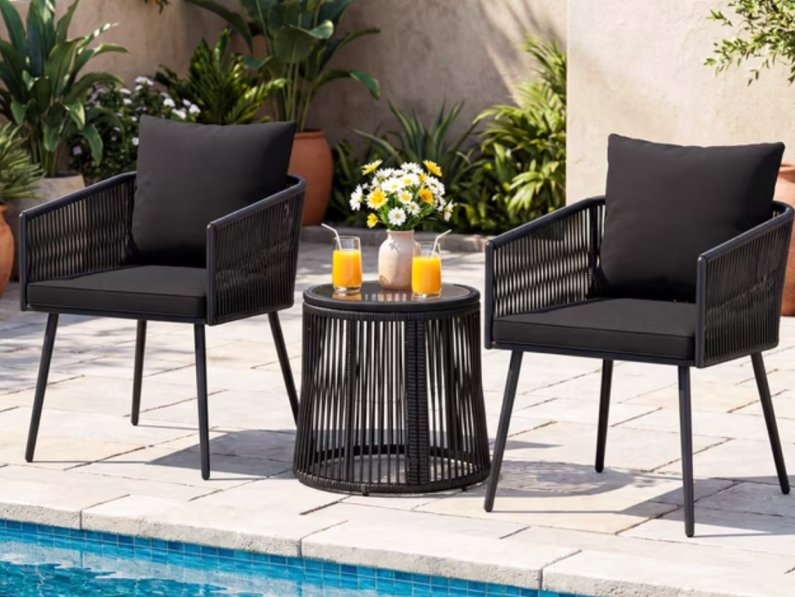
Take Maya, for instance. (This is a hypothetical scenario to ground the math in human reality.) Maya spent June and July watching her backyard deck sit completely empty. She had grand visions of hosting weekend barbecues, of stringing up fairy lights and listening to laughter stretch late into starry nights. But life got in the way. Work deadlines bled into weekends. Energy ran low. By the time August arrived, she felt like she had missed the entire season.
When she sees a major retailer offering a seventy percent discount on patio furniture during the end-of-summer clearance, she isn't just looking at metal chairs and a teak table. She is looking at a second chance. She is buying the summer she thought she lost.
Logically, her purchase makes sense. Retailers are desperate to reclaim floor space for winter coats and holiday decor, meaning patio sets, grills, and outdoor loungers hit their absolute lowest price points of the entire year right now. Buying outdoor gear in August or September is one of the best-kept financial secrets of smart household budgeting. You save hundreds of dollars, and the equipment is ready to go the moment the ground thaws next year.
Yet, the mechanics of saving money during these clearance events require a cool head. It is entirely too easy to confuse a deep discount with an actual need.
Consider what happens next: You browse an online storefront. You see a high-end hammock marked down from three hundred dollars to ninety. Your pulse quickens. The dopamine hits. You click buy, convincing yourself you are a master strategist saving two hundred ten dollars. But if that hammock spends the next five years rotting in your garage because you live in a tiny apartment with no trees, you didn't save two hundred ten dollars. You spent ninety dollars on clutter.
The real trick to navigating end-of-summer sales is recognizing the invisible stakes. Retailers know you are emotionally vulnerable right now. They know you want to cling to the illusion of endless sunshine. They dress their markdowns in bright, nostalgic imagery, wrapping cold commerce in warm memories.
To beat them at their own game, you have to shift your perspective. Stop shopping for the person you wish you were during a romanticized vacation, and start shopping for the person you actually are on a Tuesday morning in October.
Look at your wardrobe, for example. Late August is prime time for clearing out summer apparel. Swimsuits, shorts, and lightweight dresses drop to rock-bottom prices. If you have children, this is the ultimate tactical window. Kids grow at a terrifying, relentless pace. Buying next year's summer clothes now, while they are marked down by eighty percent, is an act of quiet economic self-defense. You estimate their size a year in advance, tuck the bundles away in bins labeled with masking tape, and thank your past self when June rolls around again without a frantic trip to the mall.
Adults, however, fall into a different trap. We buy trendy items that will look profoundly dated by the time the next solstice arrives. The lesson here is simple: stick to classics. A well-tailored linen button-down, a sturdy pair of leather sandals, or a timeless canvas beach tote will never care what year it is. Buy those on clearance. Leave the hyper-specific, micro-trend plastic sunglasses on the digital shelf.
Appliances and tools follow a similar rhythm. If you have been eyeing a heavy-duty lawn mower, a leaf blower, or a high-end charcoal grill, late August and early September offer the optimal window for acquisition. Manufacturers transition their supply chains, and hardware stores need warehouse space. The discounts are real, substantial, and backed by inventory data that proves these items rarely get cheaper until they become obsolete models years down the line.
There is also a profound psychological satisfaction in refusing to panic-buy. We have all experienced the opposite: freezing in November because we waited too long to buy a heavy coat, ending up paying full price out of sheer desperation. End-of-summer sales teach us the value of counter-cyclical thinking. Buy when nobody else is looking. Store it away. Let time do the heavy lifting.
As the sun dips lower behind the tree line, the crickets begin their evening chorus. The heat breaks, giving way to a gentle, cooling breeze that rustles through the dry grass.
We fold our lawn chairs. We zip our duffel bags. We prepare to trade the freedom of long days for the steady, comforting rhythm of autumn schedules.
The sales will end. The clearance racks will be wheeled away into the back corridors, replaced by dark wools and autumn displays. But the choices we make in these fleeting transition weeks linger. They echo in our bank accounts, in our organized basements, and in the quiet confidence that we didn't just let the season slip through our fingers. We caught it on the way down, held it close, and made it work in our favor.