Don't celebrate just yet.
Yes, Argentina's monthly inflation rate just dropped to 2.1% for May 2026. That is an eight-month low, and Economy Minister Luis "Toto" Caputo is ecstatic. President Javier Milei even took to social media with a fired-up "Let's goooooo Toto!" to mark the victory. Wall Street is paying attention too, as S&P Global bumped the nation's credit rating up to B- from the default-adjacent CCC tier.
On paper, Milei’s radical libertarian experiment looks like a masterclass in fiscal discipline. Annual inflation has plummeted to roughly 33% from the horrific 200%-plus peak he inherited in late 2023.
But if you walk through the streets of Buenos Aires right now, you won't find many people popping champagne.
The cold truth is that the cost of living in the capital now mirrors European cities, while local salaries lag painfully behind. Milei's strict "chainsaw" budget cuts, currency interventions, and aggressive market deregulation have successfully curbed the printing press. Yet, they've also triggered a deep recession that leaves average citizens trapped between falling inflation rates and empty wallets. Understanding what is actually happening requires looking past the celebratory tweets.
The Mirage of the Single-Digit Drop
To understand why a 2.1% monthly inflation print isn't a flawless victory, you have to look at the annual baseline. Even with this monthly dip, Argentina's year-over-year inflation actually ticked up slightly to 33.2% in May 2026. Why? Because May 2025 had registered an abnormally low 1.5% baseline.
Prices aren't falling. They're just climbing at a slower speed.
The structural reality of where these price hikes are hitting makes it worse for the average household budget. Look at the specific breakdown provided by the national statistics bureau, INDEC. The cost of daily essentials continues to outpace the headline numbers.
- Communication: Up 3.4% in a single month due to soaring phone and internet bills.
- Seasonal Items: Up 3.5%, heavily driven by spikes in fresh vegetables.
- Food and Non-Alcoholic Beverages: Rose by 2.5%, with staple goods like bread, cereals, and dairy leading the charge.
- Regulated Utilities: Climbed 2.4% as the government continues to strip away historical subsidies for fuel, electricity, and water.
When your internet, your electric bill, and your morning toast all outpace the official inflation index, the macroeconomic data feels like a fantasy.
The Brutal Side Effects of the Chainsaw
Milei achieved a rare budget surplus by aggressively slashing state spending. He halted public works, defunded state education and healthcare, and opened up the borders to foreign trade. Investors love this approach. It shows a commitment to debt repayment that Argentina hasn't displayed in decades.
But the domestic business sector is paying the price.
Local manufacturing and retail operations are struggling to keep the lights on. Stripped of government protections, national industries face a massive wave of cheap imports they can't compete with. Consequently, unemployment numbers are rising. Thousands of industrial and retail workers have been laid off over the past year.
If you're an Argentine worker who managed to keep your job, your purchasing power has been completely gutted. Salaries have been largely frozen or kept on tight leashes under the administration's economic plan to avoid triggering a wage-price spiral. It works for lowering inflation, but it leaves you unable to buy basic goods.
Scandals Chipping Away at the Libertarian Armor
Economic pain becomes much harder to swallow when the political class looks hypocritical. Milei ran on a fierce anti-corruption platform, promising to destroy the political "caste" that enriched itself at the expense of the public.
Lately, that narrative is fracturing.
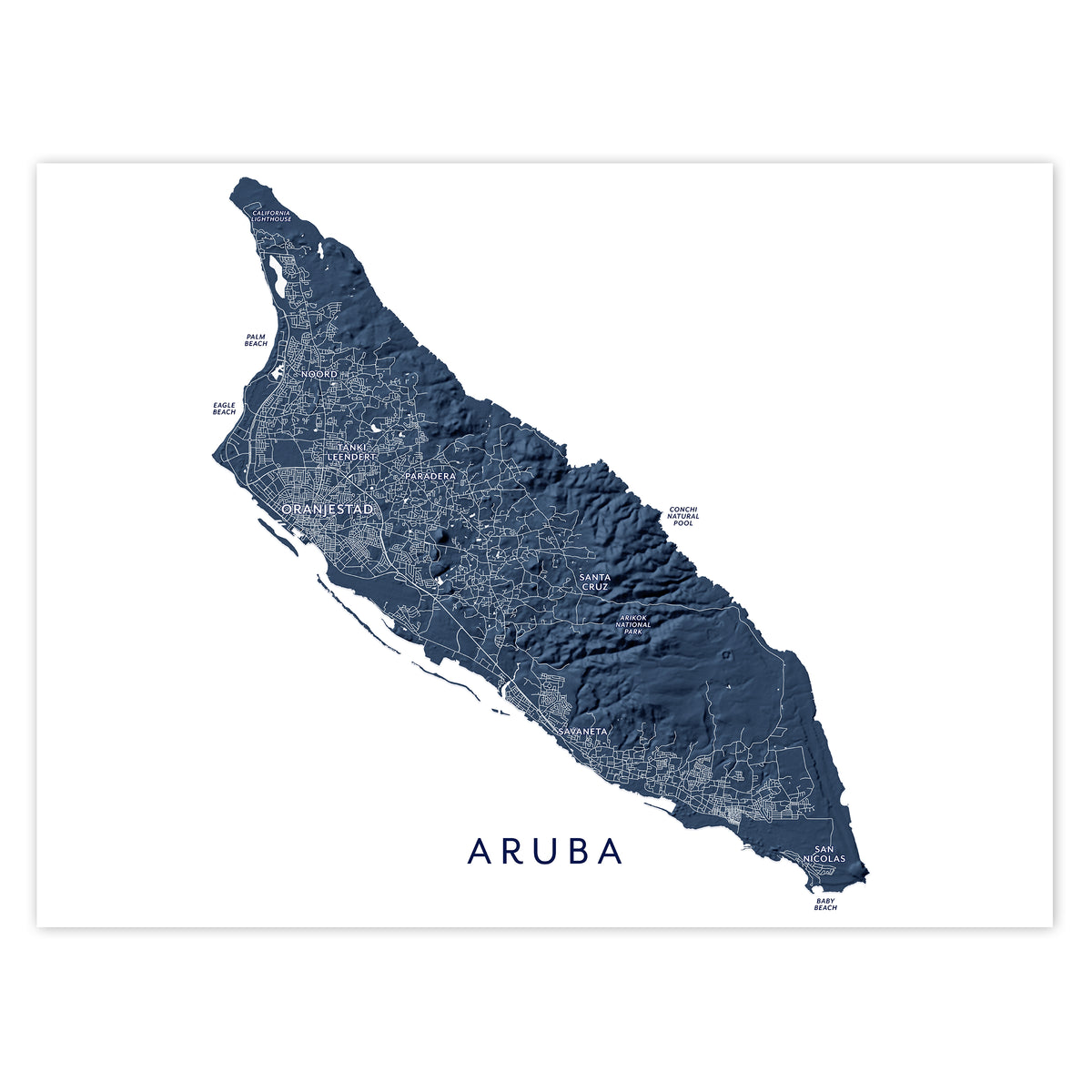
Cabinet Chief Manuel Adorni, a core member of Milei's inner circle, is currently facing a federal investigation for illicit enrichment. The probe centers on lavish international travel, including an all-cash vacation to Aruba, and expensive real estate acquisitions that don't match his modest public salary. Just this week, Adorni admitted to holding $500,000 in previously undeclared savings and cryptocurrency investments.
For citizens who are skipping meals or turning off their heaters to survive the winter, watching top austerity champions hoard undeclared cash chips away at the government's moral authority.
Wall Street vs. The Real World
We are seeing a massive divergence between international financial sentiment and domestic economic reality.
S&P Global's credit upgrade to B- means Argentina is technically moving away from the brink of a historic tenth sovereign debt default. The administration wants back into global capital markets, and this move helps pave the way. Milei's stabilization pillars—a strict fiscal surplus, absolute control over the money supply, and rebuilding the Central Bank's depleted reserves—are working exactly as intended for foreign bondholders.
But foreign investors don't have to buy groceries in Greater Buenos Aires.
The administration originally modeled an economic plan where monthly inflation would settle firmly around 1%. Independent economists, including teams at the consulting firm Epyca, note that this goal is slipping out of reach. To keep the headline number low, the government adjusted how it handles currency floating bands, a tactic critics argue is simply hiding deeper structural imbalances under the rug.
Your Next Steps for Tracking the Argentine Economy
If you are trying to analyze Argentina's financial trajectory for investment, business expansion, or global market trends, stop relying solely on headline CPI updates. You need a more nuanced dashboard.
First, monitor the Core Inflation Rate exclusively. The headline 2.1% figure includes volatile seasonal food and heavily managed regulated utility prices. Core inflation, which sits at 1.9%, gives you a clearer view of whether underlying monetary policy is actually stabilizing prices or if the government is just artificiality holding down utility rates to make the data look good.
Second, track domestic consumer confidence and retail sales volumes. A low inflation rate means nothing if the underlying economy is dead. If retail volumes continue to slide while unemployment ticks upward, the fiscal surplus will eventually collapse because tax revenues will dry up. Watch the balance between fiscal austerity and social endurance. That is where the real future of the country will be decided.