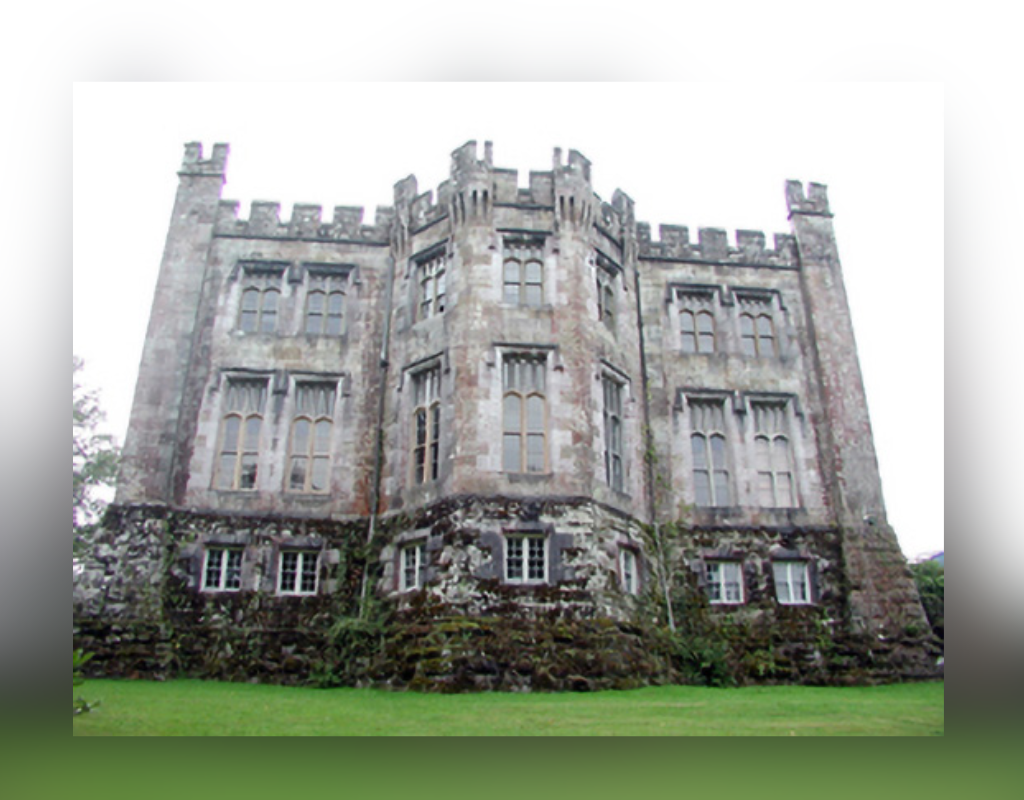
The acquisition of marquee residential assets by ultra-high-net-worth individuals operates on an entirely distinct economic logic from standard real estate transactions. When enterprise leaders acquire historic or geographically strategic properties, the move typically reflects capital preservation mechanics, corporate proximity hedging, and privacy optimization. The recent off-market transaction involving Strancally Castle in County Waterford, Ireland, acquired by Meta Chief Executive Officer Mark Zuckerberg and Priscilla Chan, offers a clear operational case study in how ultra-prime real estate functions as an institutional-grade asset class.
The Economic Mechanics of Off-Market Prime Acquisitions
High-value transactions of historic estates rarely enter public listing registries during initial phases. Off-market procurement protects liquidity privacy and prevents artificial price inflation driven by market speculation.
- Valuation Spread: While public estimates place the acquisition of the 16,000-square-foot Gothic Revival property between twenty million and thirty million euros, the true cost function includes long-term capital expenditure commitments for structural preservation.
- Asset Liquidity Conversion: Capital allocation at this tier converts highly liquid equity or cash reserves into non-depreciating, land-anchored physical stores of value.
- Transaction Friction: Utilizing private investment channels bypasses public bidding dynamics, reducing disclosure requirements under local property price registries until legal filings catch up.
The Geographic Hedging Matrix
Strategic positioning relative to core business operations dictates the spatial distribution of executive property portfolios. Meta maintains its international and European headquarters in Dublin, alongside localized infrastructure including data centers and specialized engineering hubs.
- Proximity vs. Isolation: Situated approximately two hundred kilometers from the Dublin operational center, the 440-acre River Blackwater estate provides a secure, defensible perimeter while remaining within standard executive transit ranges.
- Jurisdictional Footprint: Maintaining physical infrastructure in core operating jurisdictions aligns personal operational readiness with international corporate structures. Similar acquisitions by technology founders, such as Stripe co-founder John Collison’s estate purchases in Ireland or James Dyson’s local property investments, demonstrate a broader pattern of localized European asset anchoring among tech executives.
The Operational Cost Function of Historic Stewardship
Owning a nineteenth-century estate designed by architects James and George Richard Pain introduces unique asset management challenges distinct from modern residential construction. The cost of ownership extends far beyond the initial purchase price, governed by strict heritage preservation mandates and specialized logistical requirements.
- Maintenance Overhead: Historic cut-stone masonry, specialized timber framing, and vast square footage require dedicated, permanent facilities management teams.
- Sustainability Retrofitting: Modernizing older estates for environmental efficiency without violating structural heritage laws demands specialized engineering capital.
- Perimeter Security Integration: Managing 440 acres of riverfront land requires comprehensive surveillance, access control infrastructure, and privacy buffer zones that standard residential security packages cannot support.
Execute the strategic integration of private regional hubs by coupling capital investments in historic European assets with existing corporate compliance frameworks and international travel logistics.
[Visually explore the historic estate in this Strancally Castle Overview to understand the scale of the 19th-century property acquired near Meta's European operations.]