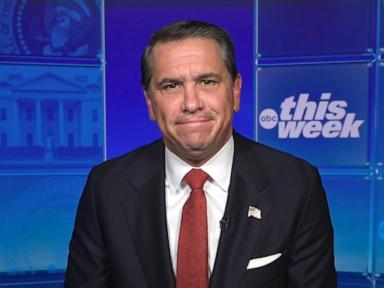
The modern executive branch operates an informational supply chain where physical proximity to the seat of power functions as a strategic asset. When the administration barred specific media organizations from White House grounds, the ensuing defense articulated by Attorney General Todd Blanche rested on a categorical distinction: physical press credentials constitute a discretionary privilege rather than an unalienable entitlement. This framing shifts the operational paradigm of institutional journalism from a protected utility of democratic oversight to a managed resource subject to executive allocation.
Analyzing this friction requires deconstructing the operational mechanisms governing press access, legal precedents surrounding administrative discretion, and the systemic consequences of politicized credentialing.
The Dual Architecture of Press Access
Institutional journalism within the federal complex relies on a bifurcated infrastructure. The first layer is protected by constitutional law—the absolute freedom to publish, critique, and distribute information without prior restraint. The second layer is logistical and physical: hard passes, briefing room seating assignments, workspace allocations, and inclusion in the presidential travel pool.
While the First Amendment protects the editorial output of any publishing entity, it does not mandate that the executive branch furnish physical infrastructure, office space, or transportation on Air Force One. Historically, this distinction allowed administrations to manage physical capacity constraints within the White House press briefing room, which seats a finite number of correspondents. However, using physical capacity management as a mechanism for viewpoint-based exclusion introduces severe friction between executive convenience and constitutional due process.
The Legal Mechanics of Revocation
Administrative law establishes that when the government confers a benefit or access to a limited public forum, the revocation of that access cannot bypass procedural safeguards. Federal appellate jurisprudence has previously established that the Fifth Amendment’s due process clause governs the removal or denial of White House press passes.
Under these precedents, an agency or executive office must articulate clear standards for credential revocation, provide notice of alleged infractions, and afford an opportunity to respond. When an administration bypasses these procedural hurdles by executing sudden bans based on cumulative editorial dissatisfaction rather than clear, objective violations of security or conduct codes, it triggers immediate judicial intervention. The judicial temporary restraining orders that subsequently restore access highlight the tension between executive privilege and administrative due process.
The Cost Function of Institutional Boycotts
The exclusion of select outlets generates a cascading reaction across the broader media ecosystem, most notably through collective action such as the suspension of the cooperative television pool. The press pool model relies on shared resource generation—where a single network camera feeds footage to all subscribing entities to cover presidential movements efficiently.
When targeted bans disrupt this cooperative mechanism, the economic and operational costs distribute unevenly across the media landscape:
- Information Bottlenecks: The elimination of pooled reporting degrades the baseline historical record of executive actions, replacing independent documentation with partisan or officially curated feeds.
- Solidarity Fractures: Competing networks face a prisoner's dilemma. Sustaining a boycott in solidarity with banned peers risks ceding exclusive operational access and breaking news cycles to non-participating outlets.
- Trust Deprecation: As access becomes explicitly transactional, public perception of the press corps shifts from an independent watchdog to an entrenched political actor engaged in reciprocal combat with the administration.
Systemic Outcomes and Future Volatility
Treating physical access as an instrument of executive leverage fundamentally alters the bargaining power between the state and the Fourth Estate. If credentialing functions purely at the discretion of the executive, the incentive structure for journalists warps. Outlets face a perpetual optimization problem: moderate adversarial reporting to secure baseline operational access, or escalate investigative scrutiny and risk institutional lockout.
This dynamic accelerates the fragmentation of public information. As traditional press pools fracture and alternative digital ecosystems scale directly through executive-controlled channels and proprietary applications, the traditional gatekeeping model dissolves. The long-term trajectory points toward an environment where physical proximity to power is entirely decoupled from traditional journalistic credentials, replaced by direct-to-consumer digital distribution strategies controlled unconditionally by the incumbent executive.