When Immigration and Customs Enforcement agents approached Indian-origin filmmaker Arafat Sheikh at Washington Dulles International Airport, it wasn't just another routine bureaucratic stop. It ignited a fierce global conversation about artistic freedom, lawful status, and the harsh mechanics of US immigration enforcement. If you've only caught the headlines, you probably missed the gritty details of how a simple flight arrival turned into a high-stakes legal battle.
Let's look at what actually happened, why it matters, and what most mainstream reports gloss over.
The Arrest at Dulles and the Backstory
Arafat Sheikh, the award-winning director behind Saffron Kingdom, landed at Dulles International Airport on September 24, expecting a routine trip to the Washington DC area for an "art as resistance" panel discussion. Instead, plainclothes ICE agents detained him immediately.
Sheikh entered the United States legally back in 2019 on a student visa to pursue graduate film studies at Georgia State University. Over the years, he transitioned from a student to an asylum seeker, navigating the notoriously slow-moving US immigration system with a pending application.
His supporters and advocacy campaigns insisted he was authorized to live and work in the country while his case crawled through administrative channels. But the Department of Homeland Security held a radically different view. According to federal statements, while Sheikh entered temporarily on a legal visa, officials argued he had overstayed that initial lawful admittance, maintaining that a pending application does not equal permanent legal status.
Inside the Detention Facility
The days following Sheikh's arrest exposed the grim reality of detention centers. Speaking out after his eventual release, Sheikh described being handcuffed without being shown a warrant and being transported to an ICE holding facility in Chantilly, Virginia.
Stripped of his belongings, including his jacket and shoelaces, he was placed alone in a cold concrete cell. For someone whose artistic work centers on conflict and state pressure in his native Kashmir, the experience hit close to home. It forced an uncomfortable spotlight onto how foreign artists and political voices are treated when they run afoul of domestic enforcement priorities.
A bond was set on October 6, yet bureaucratic delays kept him locked away for another sixty hours before he finally walked free on October 8. While his temporary freedom is a relief, his deportation case remains wide open, with a crucial immigration hearing scheduled.
Why This Case Disrupts the Normal Immigration Narrative
Most people assume that if you have a pending legal application or a lawyer handling your paperwork, you're safe from sudden enforcement actions. The Arafat Sheikh situation shatters that illusion.
Immigration attorneys point out that under tightening enforcement climates, individuals with pending asylum applications often exist in a legal grey area. They aren't technically undocumented, but they lack the ironclad protections of a finalized visa or green card. When federal agencies prioritize removal operations or target specific travel patterns, these grey-area residents find themselves exceptionally vulnerable.
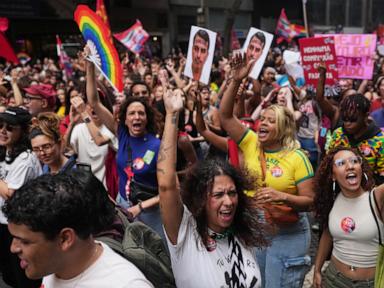
Public reaction split sharply. Civil rights advocates and free-speech organizations rallied around the filmmaker, raising funds for his defense and calling attention to aggressive detention practices. Meanwhile, federal defenders of the policy reiterate that statutory timelines matter, and a pending status doesn't grant an open-ended pass past visa expiration dates.
Moving Forward Through the Noise
This ordeal isn't just about one director's travel nightmare. It's a glaring reminder of how fragile immigrant status can be when administrative backlogs stretch for years. If you're tracking immigration trends, the takeaway is stark: legal technicalities and processing delays can collide with aggressive enforcement at any moment, turning a simple domestic flight into a fight for basic liberty.
The legal battle isn't over yet, and the outcome of his upcoming court appearance will set a powerful marker for how similar cases are handled moving forward. Keep your eyes on the rulings, because the ripple effects of this arrest will echo across artistic and legal communities for a long time.