Picture a row of heavy bulldozers crushing thousands of brand-new, cutting-edge computers into a muddy pit. It sounds like corporate vandalism. Yet in September 1989, that exact scene played out at a landfill in Logan, Utah, where Apple quietly disposed of roughly 2,700 unsold Apple Lisa computers.
If you are wondering why a trillion-dollar titan would deliberately trash millions of dollars in hardware, the answer comes down to tax loopholes, corporate self-preservation, and a massive internal blunder. Most tech histories gloss over this event as a weird footnote. But looking closely at the Lisa's destruction reveals how ruthless Apple had to become to survive its own early chaos.
The Ten-Thousand-Dollar Miscalculation
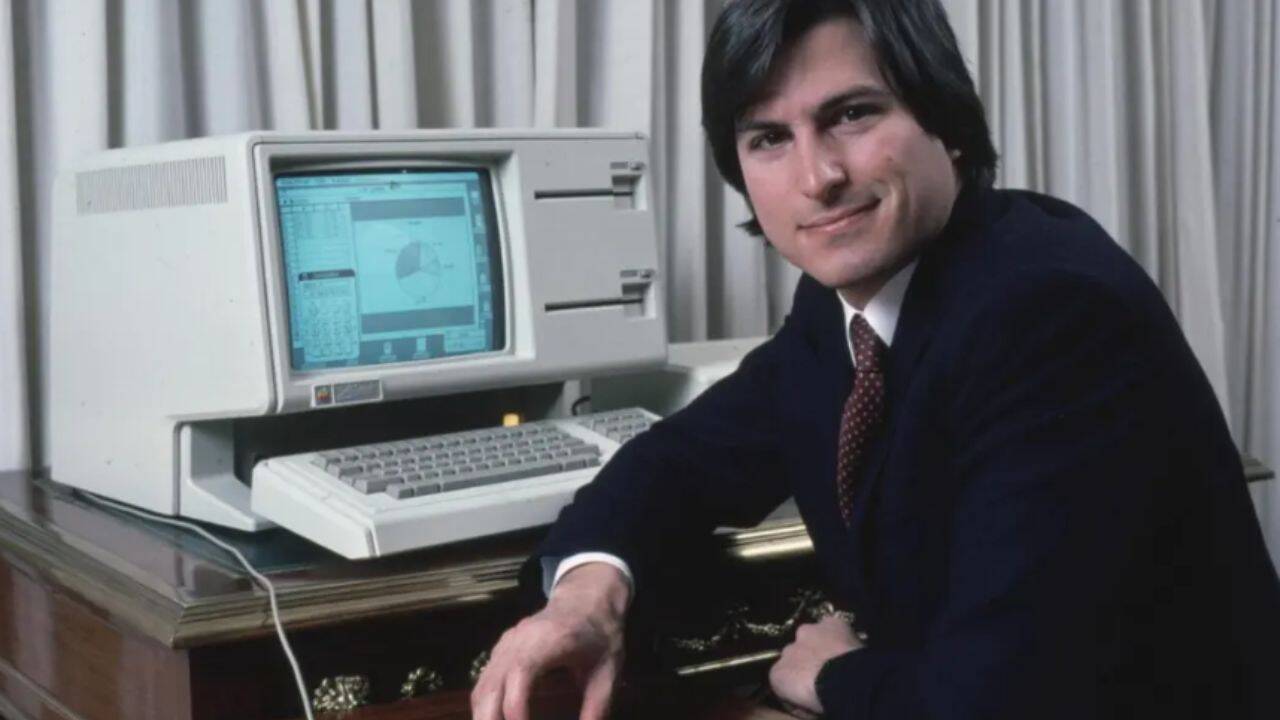
To understand why those machines met their end under a bulldozer, you have to look back at 1983. Apple launched the Lisa with immense hype. Named ostensibly after the daughter of co-founder Steve Jobs—though corporate suits later insisted it stood for Local Integrated Software Architecture—the machine was revolutionary. It brought a graphical user interface, a mouse, windows, and drop-down menus to a commercial market still typing command-line prompts into green-screen monitors.
There was just one catastrophic problem. It cost $9,995.
Adjusted for inflation, that is over $30,000 today. You could buy a reliable family car for less cash. Corporations balked, individual buyers laughed, and the machine stalled hard out of the gate.
Compounding the pricing disaster was internal sabotage. Steve Jobs had originally led the Lisa project before getting pushed off the team in 1981. Bitter about the ouster, Jobs threw his energy into a scrappy side project called the Macintosh. He mandated that the Mac would also feature a graphical interface, but target a price tag under $2,500. When the Macintosh debuted in 1984 with its famous Ridley Scott commercial, it cannibalized the Lisa immediately. Why buy a clunky ten-thousand-dollar box when its smaller sibling did basically the same thing for a fraction of the cost?
Apple tried rebranding the hardware into the Lisa 2 and later the Macintosh XL, slashing prices down to $3,995. Nothing worked. By 1986, Apple pulled the plug on the entire product line, leaving warehouses full of dead inventory.
The Road to the Logan Landfill
For a few years, those leftover computers sat in limbo. A third-party liquidation company called Sun Remarketing tried to salvage and resell the remaining stock, even attempting to market an upgraded "Lisa Professional". But the technology aged out fast.
By 1989, Apple faced a tedious accounting problem. Keeping thousands of discontinued, unsellable computers on the books meant ongoing inventory costs, tax liabilities, and logistical headaches.
Apple found a legal loophole. Under tax laws at the time, companies could claim substantial deductions by donating excess inventory or destroying it for scrap. Because donating thousands of obsolete machines with proprietary software wasn't viable, Apple chose annihilation.
Trucks hauled roughly 2,700 boxed Lisa computers out to the Logan municipal landfill in Utah. Heavy machinery crushed the units to ensure nobody could salvage them, and workers buried them under tons of earth. Apple officials defended the move dryly, noting it was simply a sound business decision to clear the fiscal year-end books.
What the Lisa Burial Teaches Us Today
People love to frame the Logan landfill burial as a tragic waste of computing heritage. Honestly, they are missing the point. Apple's brutal execution of the Lisa taught the company a hard lesson it still uses today: sentimentality kills profit.
When a product fails, keeping it on life support drains resources that belong on the next big bet. Apple didn't become the world's most valuable company by looking backward at old inventory. They cut their losses, buried the ghost of their past mistakes in the Utah dirt, and poured everything into the architecture that actually worked.
If you are holding onto a failing project, a dead product line, or an outdated strategy just because you spent a fortune building it, take a page from late-eighties Apple. Stop paying to store your failures. Write them off, crush them, and move on.