
The modern FIFA World Cup is no longer a macroeconomic development catalyst. It is a highly optimized capital extraction mechanism designed to maximize yield for a single Swiss non-governmental organization while socializing operational risks and public debt to host municipalities.
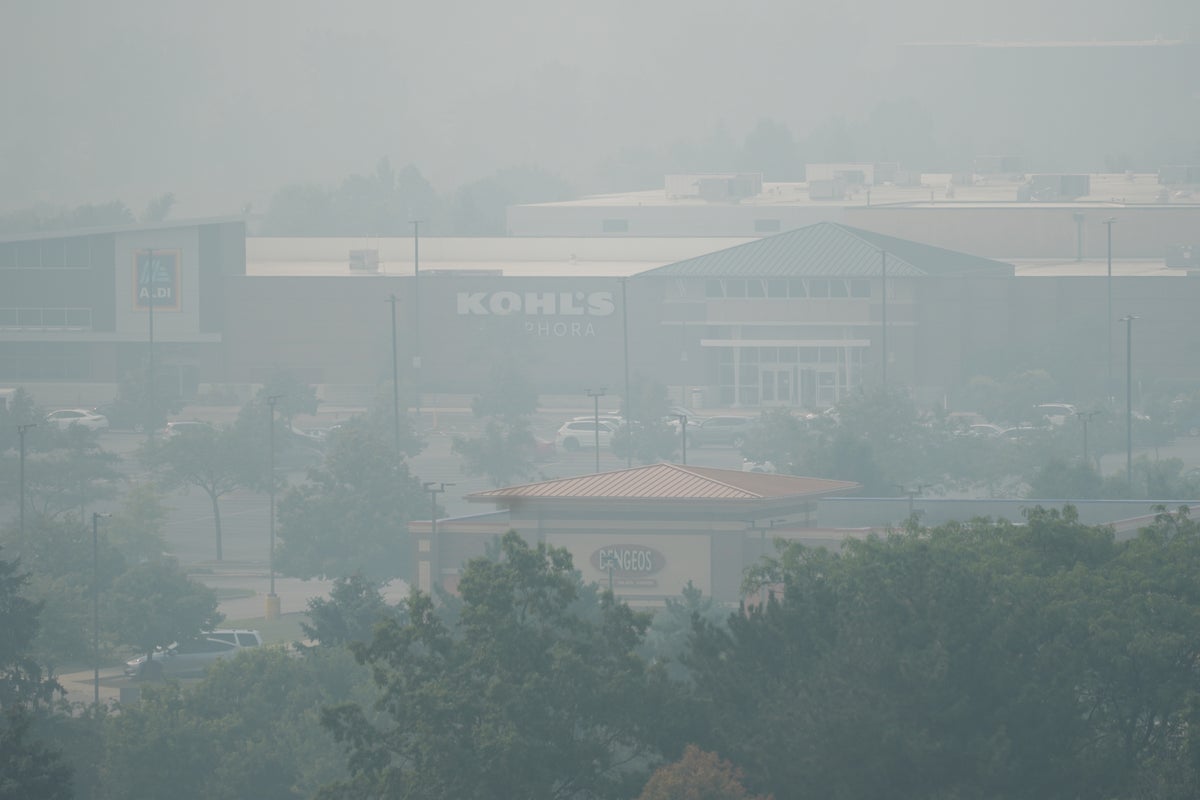
While political rhetoric and boosterish economic impact studies promise a rising tide that lifts all local boats, empirical data paints a radically different picture. The 2026 tournament, co-hosted across the United States, Canada, and Mexico, represents the ultimate iteration of this asymmetric economic model. By analyzing capital expenditures, ticketing infrastructure, and micro-level consumer spending data, we can map the precise economic transfer of wealth that occurs during a mega-event. In related updates, we also covered: The Burning Reality of the World Cup Smoke Crisis.
The Structural Asymmetry of Revenue Capture
To understand the economics of the World Cup, one must first isolate the balance sheets of the two primary actors: the governing body (FIFA) and the host governments. These entities operate under entirely different financial incentive structures, resulting in a stark division of risk and reward.
+-----------------------------------------------------------+
|                      REVENUE FLOW                         |
+-----------------------------------------------------------+
|  [FIFA]                                                   |
|    |-- Direct Captures: Broadcast, Sponsors, Ticketing     |
|    +-- Tax Exemptions: Mandated by Host Agreement         |
|                                                           |
|  [Host Municipalities]                                    |
|    |-- Direct Liabilities: Security, Transit, Public OpEx |
|    +-- Indirect Yield: Marginal local sales tax           |
+-----------------------------------------------------------+
The FIFA Extraction Engine
FIFA operates a high-margin business model with virtually zero capital risk. For the 2026 cycle, FIFA projected record revenues exceeding $11 billion, a massive escalation from the $7.57 billion generated during Qatar 2022. The primary revenue streams are structured as follows: Sky Sports has analyzed this important subject in extensive detail.
- Broadcasting Rights: Historically the largest single revenue generator, sold globally with zero infrastructure cost to the seller.
- Corporate Sponsorships: Multi-year partnerships with multinational conglomerates, structured to maximize global brand equity.
- Ticketing and Hospitality: For the first time in 2026, FIFA assumed direct control of the primary ticketing engine and hospitality packages, bypass-ing local organizing committees and capturing the vertical integration margin.
This revenue is almost entirely shielded from host-country taxation. As a condition of winning a World Cup bid, host nations must grant FIFA, its subsidiaries, and its corporate partners extensive tax exemptions. This means the direct profits from the tournament do not contribute to the public coffers of the nations funding the spectacle.
The Host Liability Matrix
In contrast to FIFA's asset-light, tax-free model, host governments must fund the substantial operational expenditures (OpEx) required to stage the tournament.
Historically, this also included massive capital expenditure (CapEx) to build specialized stadiums—assets that frequently became "white elephants" post-tournament, as seen in South Africa (2010) and Brazil (2014). The 2026 iteration attempted to mitigate this by utilizing existing NFL infrastructure in the United States, alongside established stadiums in Canada and Mexico.
However, avoiding stadium CapEx does not eliminate public liabilities. Host municipalities remain responsible for:
- Municipal Security: Deploying thousands of police, emergency services, and private security forces over a multi-week period.
- Transit and Infrastructure Upgrades: Modifying public transit routes, expanding airport capacity, and managing traffic flow.
- Public Services: Managing waste, sanitation, and crowd control in high-density fan zones.
Because these costs are borne by local tax bases, the net municipal return is governed by a simple but unforgiving cost function:
$$Net\ Municipal\ Return = \Delta Revenue_{Local} - (OpEx_{Security} + OpEx_{Transit} + Opportunity\ Cost_{Displacement})$$
In almost all historical cases, the operational costs and the displacement of normal economic activity far outweigh the localized tax gains generated by short-term tourists.
The Monopolization of Yield: Ticketing and Broadcast Inventory
The 2026 World Cup introduced unprecedented pricing mechanics designed to squeeze the maximum possible economic surplus out of the consumer base. This has been executed through two primary strategic levers: dynamic pricing and artificial inventory expansion.
Yield Management and Ticketing Monopolies
In previous editions of the tournament, ticket distribution was partially decentralized, allowing local organizing committees to set price caps or allocate affordable seating to local residents. The 2026 tournament dismantled this legacy system.
By centralizing the ticketing platform, FIFA functioned effectively as its own secondary-market ticket broker. Implementing dynamic pricing—similar to the algorithmic pricing models used by airlines and ride-sharing platforms—allowed the organization to adjust ticket prices in real-time based on live demand metrics.
Total ticket and hospitality revenue for the 2026 tournament is projected to top $14 billion, more than doubling the $6.6 billion generated in Qatar. This shift maximizes yield per seat, but it also strips purchasing power directly from local communities and transfers it to FIFA's centralized treasury. The high-priced tickets crowd out local fans in favor of high-net-worth international travelers, transforming a community-based sports event into an elite corporate tourism product.
The Financialization of Match Time
The pursuit of commercial yield has also altered the physical structure of the sport. The enforcement of compulsory "hydration breaks" during 2026 matches is a prime example of this optimization.
While framed publicly as athlete welfare measures, these pauses in play serve a highly lucrative operational purpose: they split the traditional two halves of a soccer match into four distinct quarters. This structural change creates mid-game commercial slots that broadcasters can sell to advertisers, mimicking the highly financialized ad-break structure of American football. By converting on-field time into ad-inventory blocks, the governing body has created new monetization streams at the expense of sporting tradition.
The Micro-Level Spending Illusion: The Non-Local Divide
Proponents of hosting the World Cup point to surges in local retail, hospitality, and restaurant spending as proof of economic utility. While these spending surges are real, they are highly concentrated and fail to translate into broad-based local economic development.
The Credit Card Data Reality
Transaction data from major financial institutions, including Bank of America, during the 2026 group and knockout stages reveals a stark customer divide:
- Non-Local Spending Surge: In-person spending by "non-local" customers (travelers from outside the host metropolitan area) in host cities jumped by 17.4% year-over-year.
- Local Spending Stagnation: In-person spending by local residents grew by a mere 3% over the same period, indicating a strong substitution effect.
- Hospitality Concentration: The spending growth was highly localized within a narrow band of industries—primarily bars, restaurants, and hotels near stadium clusters and downtown watch zones.
+-----------------------------------------------------------+
|          YEAR-OVER-YEAR SPENDING GROWTH IN HOST CITIES    |
+-----------------------------------------------------------+
|  Non-Local Consumers: [█████████████████] 17.4%           |
|  Local Consumers:     [███] 3.0%                          |
+-----------------------------------------------------------+
This spending pattern indicates that the World Cup does not inject fresh, diversified capital into the host economy. Instead, it temporarily reorganizes existing economic activity. Local residents, anticipating congestion and inflated prices, actively avoid commercial corridors during match days, effectively self-rationing their spending or shifting it to non-host municipalities.
Leakage and Corporate Repatriation
Even the observed increase in hospitality spending is subject to severe economic leakage. While a tourist may pay $500 for a hotel room in a host city, very little of that capital remains in the local ecosystem.
The hospitality sector in major host cities is dominated by multinational hotel chains. When room rates skyrocket during a mega-event, the incremental revenue is swept back to corporate headquarters in New York, London, or Paris, rather than staying with local employees or suppliers. The low-wage service workers who keep these establishments running rarely see their hourly compensation scale with the surge in room rates, resulting in an upward transfer of wealth that leaves the local host community with little tangible benefit.
The Macroeconomic Illusion: Crowding-Out and Multiplier Friction
Economic impact assessments commissioned by tournament organizers frequently use simplistic economic multipliers to argue that every dollar spent by a visitor translates into multiple dollars of local economic activity. These assessments consistently fail to account for two critical macroeconomic phenomena: the crowding-out effect and multiplier friction.
The Crowding-Out Effect
The influx of sports tourists actively deters other, often higher-spending, forms of tourism and business travel. Corporate travelers, conventions, and traditional leisure tourists systematically avoid host cities during the tournament to escape inflated hotel rates, overbooked flights, and security restrictions.
For instance, a business executive who would normally spend several thousand dollars on high-end dining, luxury accommodations, and local services during a corporate summit will defer or relocate their trip. They are replaced by a soccer fan who, while spending heavily on tickets and beer, contributes far less to the local service economy.
Studies examining previous World Cups, such as the 1998 tournament in France and the 2006 tournament in Germany, confirmed that overall national incomes and employment levels showed no statistically significant long-term gains. The short-term spike in sports-related tourism was neutralized by the contraction in regular commercial and tourism activity.
Multiplier Friction in Closed Ecosystems
In standard economic models, a dollar spent at a local restaurant is assumed to be spent again by the restaurant owner on local goods, creating a cascading multiplier effect. In the context of a World Cup, this model breaks down.
Much of the spending occurs within a closed, FIFA-controlled ecosystem. Official fan zones, stadium concessions, and licensed retail outlets are tightly controlled environments. The vendors operating within these spaces are often national or global concessionaires rather than local small businesses. The capital spent within these zones is immediately extracted from the local economy, creating a multiplier of near-zero for the host city.
A Strategic Framework for Future Host Municipalities
For future bidding cities, the lessons of the 2026 World Cup suggest that the traditional approach to hosting must be radically overhauled. Municipalities must shift from a posture of passive compliance to one of aggressive commercial self-defense. To protect public funds and capture a fair share of the value generated, city leaders should implement a three-part defensive framework.
1. The Operational Cost-Cap Mandate
Cities must refuse to sign open-ended security and transit guarantees. Future host agreements should include a binding cap on municipal operational liabilities. Any security or transit costs exceeding a pre-negotiated threshold must be clawed back from FIFA’s direct ticketing or broadcasting revenues before the capital leaves the country.
2. Local Surcharges on Ticketing and Hospitality
To bypass the tax-exempt status of FIFA and its immediate partners, host cities should implement localized municipal service surcharges on all ticket sales and premium hospitality packages. This surcharge must be structured not as a standard sales tax (which is often waived in host agreements), but as an operational fee directly tied to the cost of public safety and transit provisioning.
3. Spatial Dispersion of Commercial Zones
Host cities must break the monopoly of centralized, closed-loop fan zones. By legally mandating that fan zones and tournament activations be decentralized across multiple neighborhoods and restricted to using local independent vendors, municipalities can forcibly counteract corporate capital extraction. This structure ensures that a portion of tourist spending is channeled directly to local merchants who retain and recirculate that wealth within the community.
Without these structural safeguards, hosting a World Cup will remain a losing financial proposition—an exercise in public-sector risk-taking for the benefit of private-sector extraction.

:strip_icc()/GettyImages-904624038-8a3d9763601742258dd48df05e1ce69f.jpg)
