Trust is a fragile architecture. It is built on small gestures, quiet assumptions, and the absolute belief that those appointed to protect the defenseless will honor that unwritten contract. When that architecture collapses, it does not happen with a thunderclap. It happens in silence. It happens behind the closed doors of a residential unit where a child’s world shrinks to the dimensions of a room, a corner, and a shadow.
Consider the ordinary markers of a six-year-old life. Footsteps running down a hallway, the scent of schoolbooks, the mundane anxiety of simple arithmetic. For one young boy in Singapore, those markers were erased. Entrusted to the care of an accommodations manager at a private residential facility, his existence transformed into an eighteen-hour endurance test of calculated cruelty.
There is a vast, terrifying distance between discipline and torment. True discipline, however flawed, seeks to guide. Torment seeks to break. Over the course of a single night and day, that distance vanished entirely. The man responsible—tasked with managing accommodation and teaching basic English and mathematics without any formal childcare qualifications—waged a systematic campaign of violence.
The details refuse to stay neatly contained within court transcripts. They demand to be felt. A child forced into an unyielding push-up position for hours on end, mocked when he whispered of hunger while others ate. The relentless descent of a clothes hanger striking skin more than six hundred times until the plastic shattered. The profound humiliation of being ordered to sleep in a toilet and drink urine when thirst became unbearable.
Logic struggles to inhabit such spaces. How does a mind warp the role of caregiver into that of torturer? Prosecutors noted the heavy weight of CCTV footage capturing the depravity, a visual record that rendered denial impossible. But the cameras only captured the physical reality. They could not record the internal erosion of a child's sense of safety.
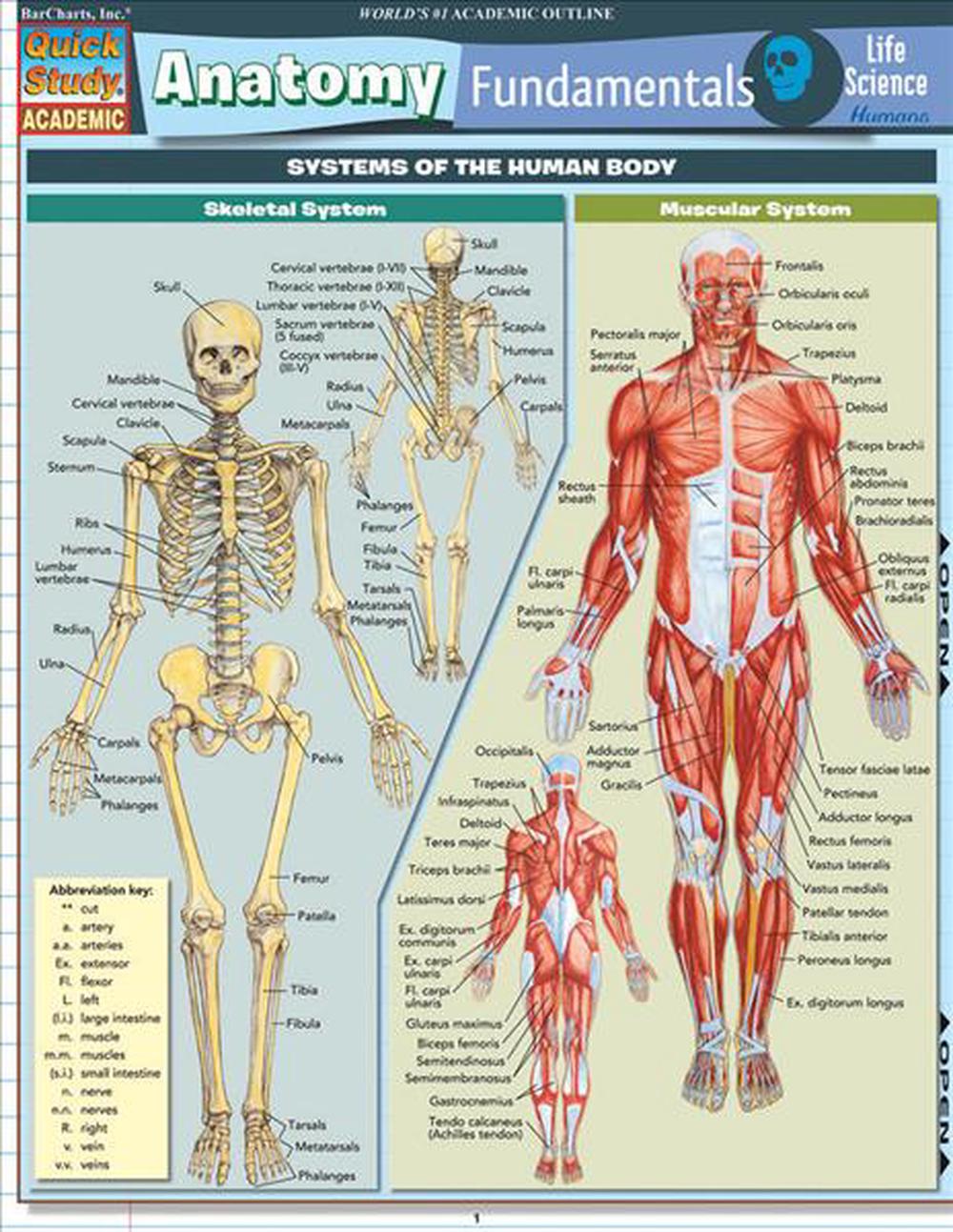
The aftermath of such brutality leaves structural scars. The human body is remarkably resilient, yet it has absolute limits. The young victim suffered multiple rib fractures, severe blunt-force lung injuries, and acute kidney failure that necessitated nine days of grueling dialysis. He spent forty-six days hospitalized, fifteen of those locked behind the sterile doors of a children's intensive care unit. His small frame absorbed trauma that adults would struggle to survive.
When the legal machinery finally ground into motion, the response was unequivocal. District Judge John Ng observed that the sheer brutality of the acts spoke for itself, noting that the community's collective outrage must be mirrored in the severity of the punishment. For his crimes of voluntarily causing grievous hurt and child abuse, the thirty-one-year-old offender received a sentence of nearly ten years in prison alongside eight strokes of the cane.
Yet, numbers and prison terms are bookkeeping measures. They tally the cost, but they do not refund the principal.
We live in a society that often relies on institutional proximity to guarantee safety. We assume that a registered address, a designated role, and an adult presence are synonymous with protection. This case stands as a stark, bruising reminder that vulnerability wears a human face, and cruelty often hides behind closed doors, disguised as routine. The legal system can exact retribution, and judges can condemn the act with righteous clarity, but the true measure of a community is found long before the courtroom doors open—in the vigilance required to ensure that no child ever has to fight the dark alone.