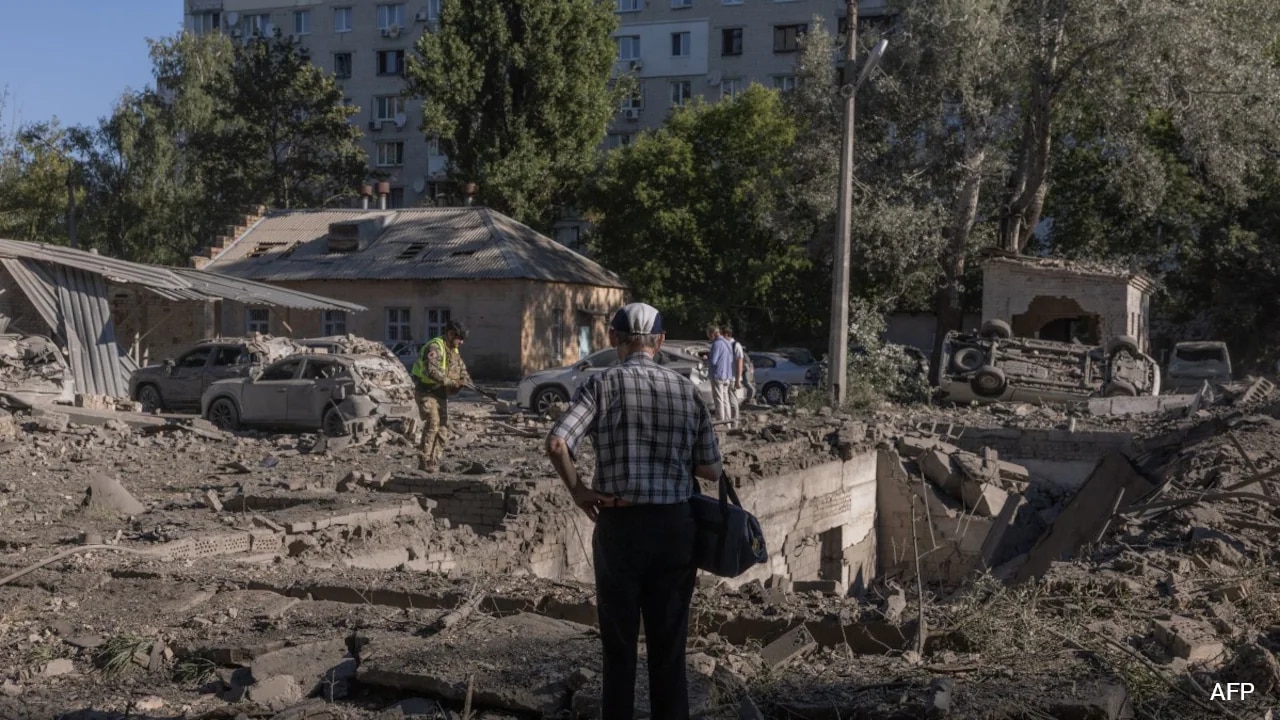
Short-term operational halts in protracted military campaigns rarely signal strategic pivots; instead, they function as diagnostic tools used by belligerents to test command-and-control responsiveness, assess logistical reset times, and measure adversary defensive exhaustion. When Moscow resumed aerial bombardments against the Kyiv periphery following a brief three-day suspension coinciding with high-level American diplomatic mediation, observers framed the action as a sudden collapse of talks. Deconstructing the mechanics reveals a different reality. The temporary cessation of drone and missile strikes, structured around the visits of United States envoys Steve Witkoff and Jared Kushner, operated within a predictable military framework where operational tempo yields temporarily to diplomatic signaling without altering underlying strategic cost functions.
Evaluating modern strategic interruptions requires moving past the superficial narrative of peace overtures and examining the structural variables that dictate the duration and termination of such pauses. Modern high-intensity campaigns are governed by three distinct operational constraints: asset replenishment cycles, intelligence collection windows, and signaling calculus. When a state actor agrees to a localized or time-bound cessation, the decision is weighed against the opportunity cost of foregone targeting windows versus the geopolitical utility of demonstrating diplomatic compliance. For another perspective, check out: this related article.
The three-day suspension utilized during the recent diplomatic mission to Moscow and Kyiv exposed the rigid parameters constraining contemporary conflict resolution. Rather than indicating a genuine deceleration of hostilities, short pauses serve precise administrative and reconnaissance functions.
The Operational Mechanics of Temporary Halts
During any suspension of kinetic activity, command structures immediately shift focus from execution to evaluation. Similar reporting on the subject has been shared by USA Today.
- Intelligence Invalidation and Reset: A cessation forces active radar and air defense units to alter emission profiles, allowing overhead reconnaissance assets to map shifted defensive postures. When strikes resume against districts like Boryspil and Fastiv, targeting packages are frequently updated based on the data harvested during the quiet period.
- Logistical Reconstitution: Attrition warfare depends on continuous supply chain management. A seventy-two-hour pause provides the necessary breathing room to reposition mobile launch platforms, clear maintenance backlogs on strategic aviation, and consolidate munitions stockpiles closer to forward deployment nodes.
- Signaling and Coercive Diplomacy: Participating in a temporary halt allows a belligerent to project constructiveness to external mediators while retaining the structural initiative. The expiration of the pause, confirmed by state news agencies precisely as diplomatic delegations depart, underscores that the political clock and the military clock operate on entirely separate frequencies.
The Failure Modes of Short-Term Mediation
External actors frequently miscalculate the leverage short-term pauses provide. Diplomatic frameworks introduced by third parties often assume that a cessation of violence creates its own momentum toward a durable settlement. Historical and contemporary operational data disproves this assumption. Without a mutually hurting stalemate or an enforceable enforcement mechanism, tactical pauses function merely as operational pauses.
The recent meetings in Moscow and Kyiv generated optimistic assessments regarding the potential revival of three-way negotiations. However, the immediate resumption of drone incursions upon the expiration of the deadline demonstrates that tactical restraint is treated by combatants as a zero-sum commodity. Each side evaluates the pause through the lens of net strategic advantage. If the cost of stopping operations—measured in lost tactical momentum—exceeds the diplomatic value of pleasing international intermediaries, kinetic activity restarts instantly.
The Strategic Trajectory
The immediate return to aerial bombardment on the outskirts of the Ukrainian capital confirms that the fundamental theories of victory held by both sides remain unaltered. Moscow continues to rely on systemic infrastructure exhaustion to degrade state capacity, while Kyiv maintains its defensive posture supported by layered air defense integration.
Future diplomatic interventions will encounter identical structural barriers unless they incorporate verifiable, long-term monitoring mechanisms that alter the fundamental cost function of resuming hostilities. Short pauses tied exclusively to high-profile travel itineraries fail to address the underlying drivers of the conflict, serving instead as predictable intervals in an unyielding campaign of strategic attrition.
To alter this trajectory, external mediators must transition from pursuing symbolic, short-duration cessations to establishing rigid, mutually verifiable disengagement frameworks tied to permanent political concessions. Until the structural incentive for kinetic resumption is dismantled, every diplomatic pause will remain nothing more than a temporary calibration before the next wave of strikes.