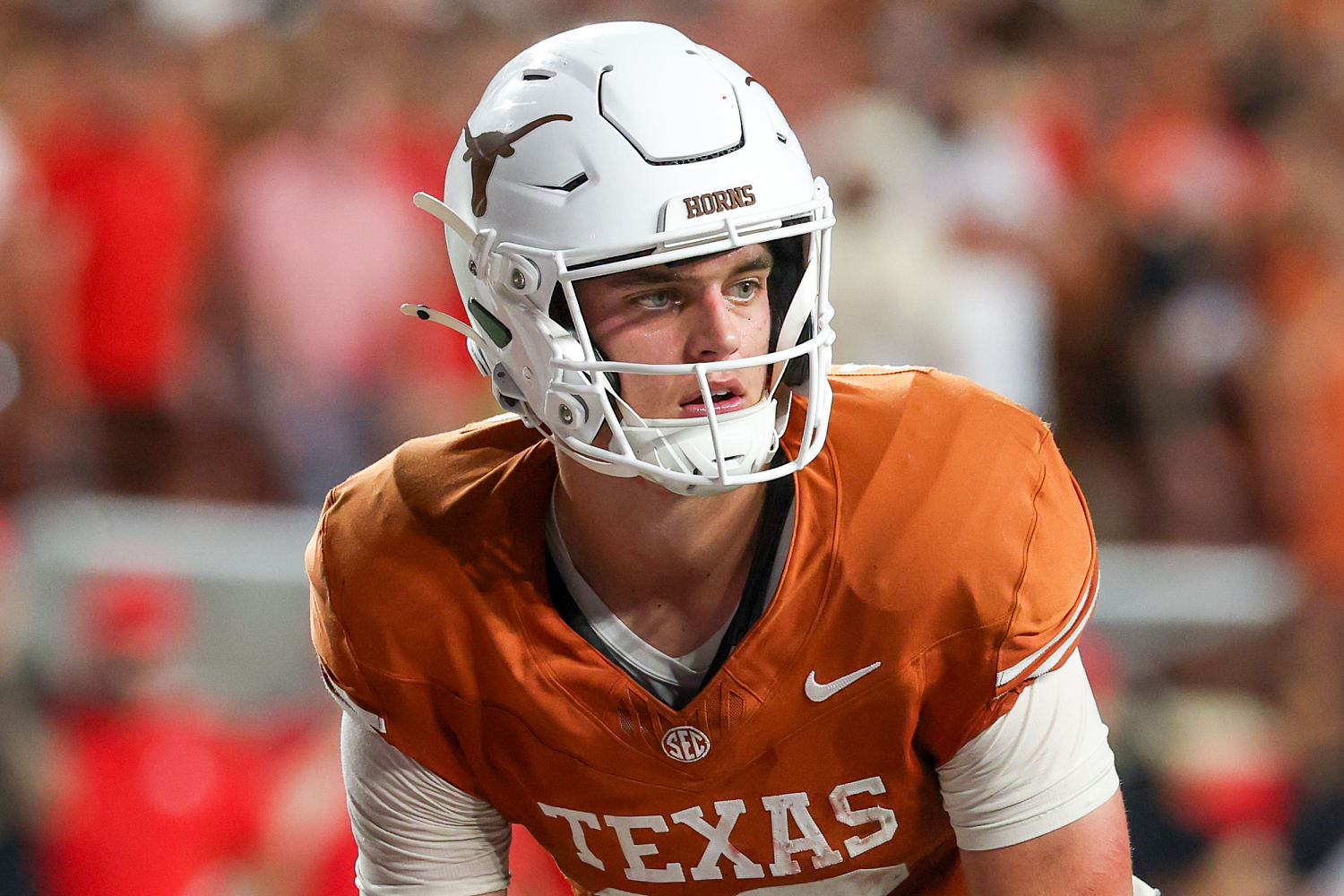
Public apologies from prominent athletes are rarely spontaneous acts of contrition. Instead, they operate as calculated crisis management maneuvers designed to mitigate reputational damage, preserve endorsement value, and stabilize team dynamics. When Texas quarterback Arch Manning faced public scrutiny following an insensitive comment tied to an artificial intelligence video, the incident illuminated the friction between private communication, public perception, and institutional accountability in the digital era.
Modern collegiate athletics operate within an ecosystem where every statement is amplified by digital networks and scrutinized by algorithmic distribution channels. Traditional media training once focused on press conferences and print journalists. Today, athletes function as media entities themselves, managing personal brands that carry substantial economic and social capitalization. Consequently, a single misstep triggers an immediate systemic response from communication teams, legal advisors, and athletic department stakeholders. For an alternative look, check out: this related article.
The structural mechanics of sports public relations rely on a standardized protocol when a high-profile figure errs. First, the speed of response dictates the trajectory of the narrative. Delays in addressing controversy allow independent commentators and algorithm-driven speculation to define the context of the incident. Second, the framing of the apology must satisfy multiple distinct audiences simultaneously: the immediate team locker room, the university administration, current and prospective corporate partners, and the broader public fan base.
In the case of Manning, the integration of artificial intelligence into the controversy introduces a complex technological dimension. Digital manipulation and deepfake technology blur the boundaries between verified reality and manufactured content. When athletes react to or become entangled in AI-generated media, the standard frameworks for accountability shift. Public figures must navigate a landscape where they can be implicated by manipulated media, yet remain held to strict standards of personal expression regardless of the underlying medium. Similar insight on this matter has been provided by The Athletic.
The economic implications of reputational management are quantifiable through brand equity metrics. NIL (Name, Image, and Likeness) valuations are sensitive to shifts in public sentiment. While a major collegiate quarterback possesses high baseline demand, sustained negative publicity introduces volatility into commercial partnerships. Advisors evaluate these situations using risk-adjustment models that project potential revenue loss against the cost of a swift, definitive public correction.
Institutional stability within a football program further compounds the pressure for rapid resolution. Coaches and athletic directors prioritize operational continuity and team focus above individual narrative management. Unresolved controversies distract from tactical preparation and create friction within the locker room ecosystem. A structured apology acts as a pressure-release valve, neutralizing external distractions and allowing the organization to return to its primary performance metrics.
Effective crisis response in high-performance environments ultimately depends on transparency, direct acknowledgment of error, and the absence of defensive qualifiers. Audiences and stakeholders distinguish between strategic deflection and genuine accountability. Moving forward, the governing variable for athletes in prominent positions is not the absence of error, but the systematic efficiency with which they align their public communications with institutional values and community expectations.