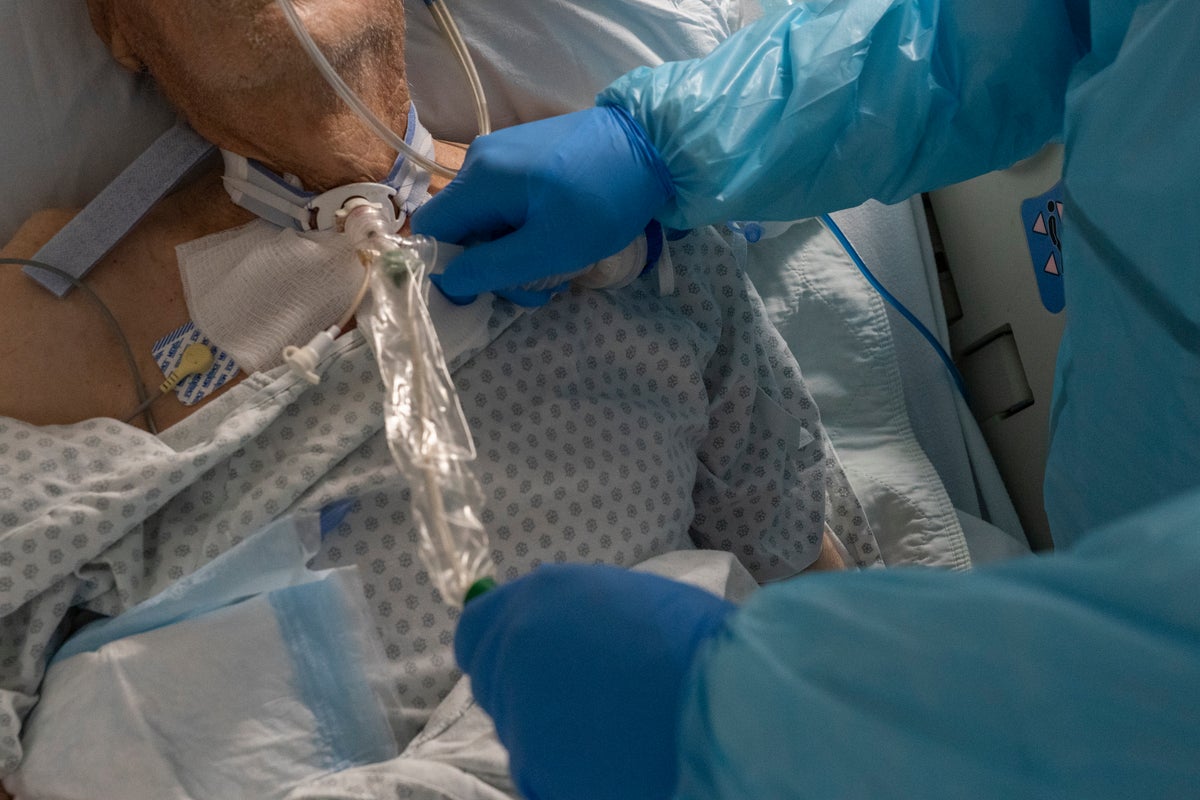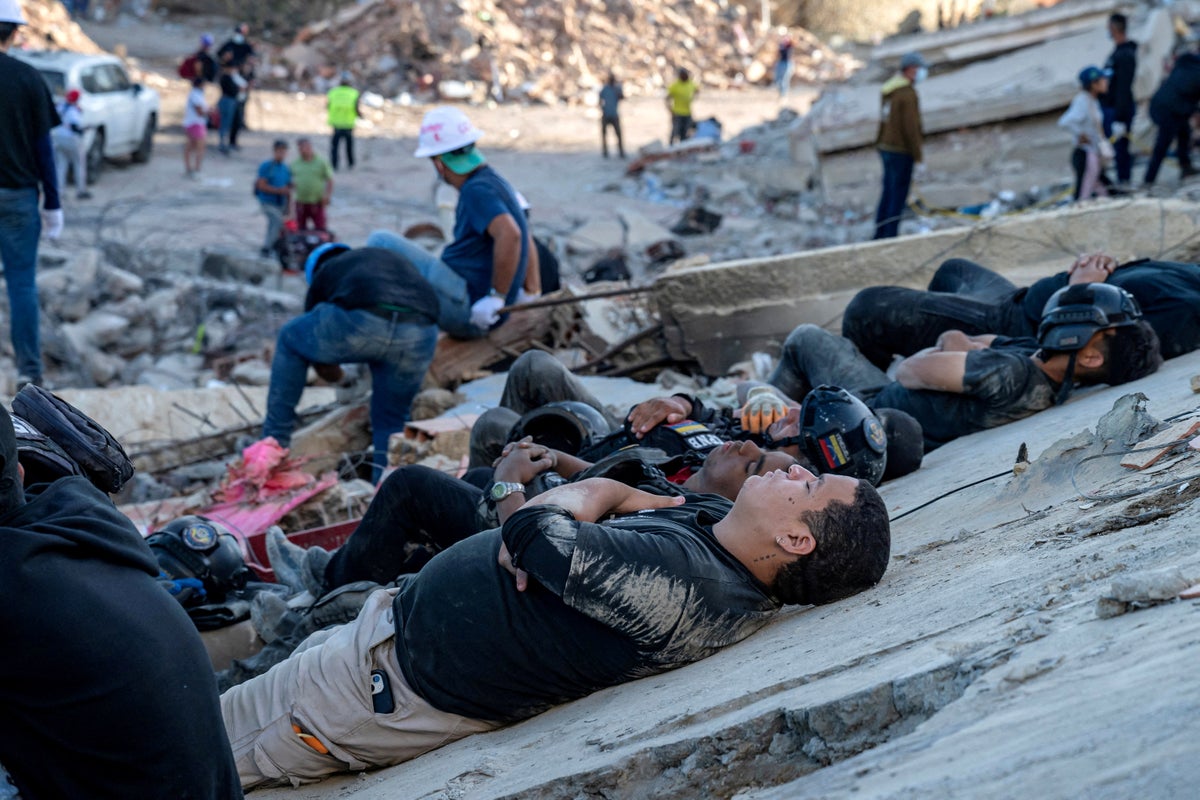
The conventional assessment of natural disasters focuses heavily on immediate trauma: kinetic impacts, structural failures, and primary mortality tolls. However, the true systemic threat following the June 24, 2026 twin earthquakes in Venezuela lies in the secondary wave of epidemiological failure. In a state where the public health infrastructure operates under chronic structural deficits, a seismic event does not merely damage buildings; it catalyzes a compounding failure cascade. Treating the aftermath of a 7.2 and 7.5 magnitude doublet requires moving past generalized warnings of disease and examining the precise mechanical bottlenecks governing this health crisis.
The Three Pillars of Post-Disaster Epidemiological Risk
The expansion of disease vectors following structural collapse follows a highly predictable mathematical progression determined by three distinct transmission pathways.
1. Waterborne Pathogen Dissemination and Fecal-Oral Vectors
Seismic shifts mechanically disrupt municipal water distribution lines, fracturing subterranean piping and forcing the mixing of graywater or raw sewage with potable water supplies. In La Guaira and the greater Caracas metropolitan area, this physical destruction eliminates the hydraulic pressure necessary to maintain clean water flow. The resulting systemic reliance on stagnant surface water or unchlorinated tanker supplies creates an immediate vector for pathogens like Vibrio cholerae and acute diarrheal illnesses. Without access to functional sanitation infrastructure, displaced populations experience accelerated pathogen exposure rates.
2. Vector-Borne Hyper-Transmission
Debris accumulation, estimated at 1.2 million tons, disrupts natural drainage topography, creating extensive artificial catchments for standing water. Combined with high tropical temperatures, these micro-environments drastically accelerate the breeding cycles of vector insects.
- The Mosquito Lifecycle Bottleneck: Aedes aegypti and Anopheles populations thrive in undisturbed, shaded pools within urban ruins.
- Transmission Velocity: This environmental shift directly drives exponential increases in the transmission velocity of dengue, yellow fever, and malaria across dense, displaced populations living without physical barrier protections like window screens or insecticide-treated nets.
3. Respiratory and Vaccine-Preventable Crowding Dynamics
The displacement of over 15,800 individuals into informal encampments, vehicles, and high-density public squares compresses the physical footprint per person well below humanitarian minimum standards. This extreme density optimizes the transmission dynamics of airborne and droplet-borne pathogens. Because Venezuela’s baseline population vaccination coverage for highly contagious viral agents like measles has suffered from years of procurement constraints, this spatial compression creates a highly susceptible environment for explosive outbreaks.
The Healthcare System Cost Function
The capacity of Venezuela's medical network to absorb a massive influx of trauma cases while simultaneously suppressing infectious outbreaks can be modeled through three distinct operational constraints.
[Earthquake Doublet] ---> [Structural Attrition: 38 Compromised Hospitals]
                     ---> [Human Capital Deficit: ~50% Shortage of Medical Personnel]
                     ---> [Supply Chain Depletion: >30% Emergency / >70% OR Shortages]
                     ===> Total Healthcare Bottleneck & Biosafety Breakdown
Structural Attrition
The physical capacity of the healthcare system was instantly reduced when the earthquakes compromised 38 hospitals nationwide. Preliminary assessments by global health authorities indicate that several facilities are entirely non-functional, while others operate with severe structural damage. The loss of physical square footage forces triage operations into unsterile external environments, neutralizing standard infection control protocols.
The Human Capital Deficit
The systemic capacity of the medical workforce was severely compromised long before this seismic event. Current estimates indicate the nation operates at approximately half of the 84,000 physicians required to meet standard population health metrics, a direct consequence of long-term medical emigration. The earthquake compounded this shortage by trapping or displacing specialized personnel within the hardest-hit zones, such as obstetric and trauma specialists in La Guaira. The remaining workforce faces immediate cognitive and physical exhaustion, reducing diagnostic accuracy and procedural throughput.
Supply Chain Depletion
The operational baseline of functional public hospitals includes structural deficits exceeding 30% for core emergency room supplies and 70% for operating room materials. Essential inputs—ranging from surgical fixation plates and screws for orthopedic trauma to fundamental biosafety consumables like medicated gauze, sterile gloves, and water-purification tablets—are virtually absent. This supply chain starvation creates an operational bottleneck where even viable medical staff cannot execute basic interventions without relying on crowd-sourced or ad-hoc donation networks.
The Compounding Cascade: From Trauma to Chronic Neglect
The immediate operational priority of local and international response teams has naturally focused on extricating victims and managing acute kinetic injuries, such as crush syndrome, open fractures, and severe lacerations. However, an unaddressed secondary crisis is emerging as the post-disaster timeline advances.
When surgical backlogs grow due to damaged operating suites and a lack of basic consumables, closed trauma cases convert into systemic infections. Contaminated debris embedded in soft-tissue injuries accelerates the onset of gas gangrene, tetanus, and secondary bacterial sepsis.
Simultaneously, the total disruption of the domestic logistics network has severed the management of non-communicable diseases. Tens of thousands of displaced individuals living with chronic conditions—specifically type 1 and type 2 diabetes, severe asthma, and advanced hypertension—have lost access to daily stabilizing pharmaceuticals. Within a 7-to-14-day window post-disaster, these unmanaged chronic states manifest as acute metabolic crises, status asthmaticus, and cerebrovascular accidents. This predictable surge of non-communicable emergencies arrives at precisely the moment when emergency departments are entirely consumed by trauma and infectious disease management, forcing a zero-sum allocation of depleted medical resources.
Strategic Intervention Blueprint
Mitigating a total public health collapse requires shifting from unstructured aid delivery to a highly targeted, multi-phase logistical intervention.
The immediate operational priority must be the deployment of self-sustaining, level-2 and level-3 foreign field hospitals directly to La Guaira and affected sectors of Caracas. These mobile units must operate independently of local water and power grids to clear the critical surgical backlog and isolate infectious patients.
Simultaneously, international supply chains must bypass damaged centralized distribution hubs, routing standardized trauma packs, broad-spectrum antibiotics, and basic orthopedic hardware directly to point-of-care clinicians.
On the environmental front, field teams must prioritize targeted chemical vector control within the 1.2 million tons of urban debris alongside the mass distribution of point-of-use water purification systems to displaced populations. Suppressing the reproduction rate of vector insects and establishing basic barriers to fecal-oral transmission is the only viable mechanism to prevent localized outbreaks from scaling into a uncontrollable, nationwide health crisis.