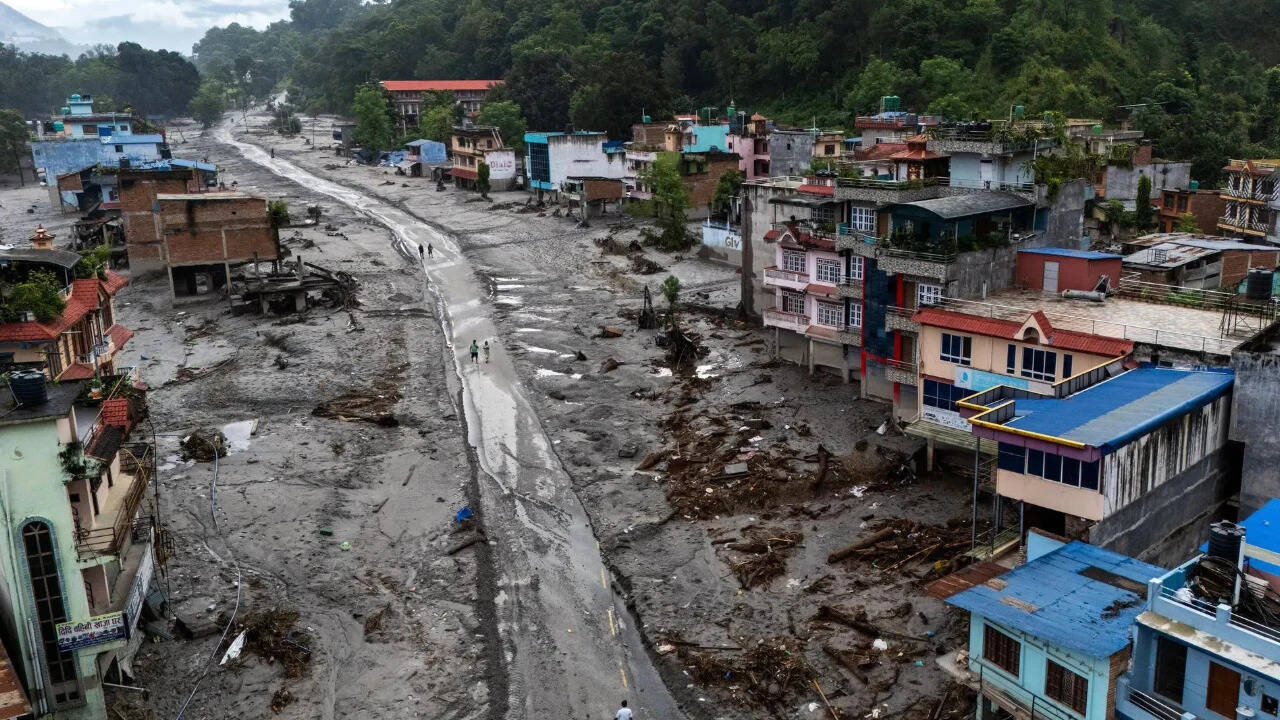
Strategic asset placement in a protracted attritional conflict requires strict spatial adherence to risk mitigation models. When a munitions storage facility is co-located within civilian population zones, the failure mode transitions from an isolated tactical loss to a catastrophic mass-casualty event. The August 2026 strike in the village of Myla within the Bucha district of the Kyiv region, which resulted in at least 37 fatalities, 42 injuries, and the structural compromise of approximately 50 residential buildings, offers a stark study in the breakdown of logistical dispersion protocols. By examining the structural vectors of this incident, defense analysts can deconstruct the systemic vulnerabilities that transform routine interdiction targets into municipal disasters.
The incident sequence followed a predictable kinetic trajectory observed in prior high-fatality munitions blasts, such as the July incident in Vyshneve. A precision-guided vector—identified by Russian defense sources as a long-range drone—interdicted a logistics hub storing high-explosive components, drone parts, and ordnance. The primary kinetic impact did not generate the entirety of the casualty footprint. Instead, the primary detonation induced secondary cook-off chains across unmitigated ordnance inventories. This secondary energy release triggered shockwaves and incendiary dispersion across a dense urban-rural interface, directly impacting adjacent residential zones and a care facility for elderly and disabled citizens.
The Three Failure Vectors of Urban Logistical Co Location
Logistical safety margins are governed by strict distance-to-population ratios. When military supply chains compress these margins to optimize transport efficiency, they trigger three distinct structural failures.
The spatial concentration vector represents the primary design flaw. Decentralization theory dictates that high-density explosive payloads must be fragmented into smaller, geographically isolated micro-depots. Consolidating shells, mines, and propulsion boosters into a single municipal warehouse maximizes the explosive yield potential of a single successful penetration. When intercepted, the accumulated ordnance mass exceeds the localized blast containment capacity of standard industrial structures.
The regulatory enforcement gap forms the institutional vulnerability. Ukrainian leadership, including President Volodymyr Zelenskyy, explicitly noted that established protocols prohibit the storage of high-explosive ordnance in proximity to residential infrastructure. The persistence of these violations—recurring despite prior warnings from the Vyshneve disaster—highlights a systemic failure in command accountability. Operational expediency consistently overrides statutory safety frameworks when supply chain bottlenecks force military logisticians to utilize civilian-adjacent industrial parks.
The secondary thermal dispersion mechanism determines the casualty multiplier. Munitions depots do not merely detonate; they aerosolize burning propellants and project high-velocity fragmentation shrapnel across municipal perimeters. In Myla, the resulting fires swept through fifty residential structures and forced the emergency evacuation of over 370 individuals. The proximity of a vulnerable demographic facility—specifically a residential care home where thirty-four residents perished—demonstrates a total absence of site-selection risk profiling.
The Economic and Logistical Cost Function
Evaluating the cost function of the Myla strike requires measuring tactical asset preservation against strategic collateral degradation. Storing ordnance near population centers minimizes fuel consumption and transit times for front-line supply trucks, reducing the logistical friction of last-mile delivery. However, the true cost function incorporates severe variables that invalidate this short-term efficiency gain.
The loss of specialized technical personnel, municipal leaders such as Dmytrivka community head Taras Didych, and civilian infrastructure creates an immediate drag on regional stability. Furthermore, the political and legal fallout—manifested as criminal negligence proceedings initiated against responsible officials—forces institutional paralysis within the procurement and supply chain hierarchy. When the social cost of a single depot detonation includes dozens of civilian fatalities and widespread structural destruction, the logistical calculus of centralized warehousing fails completely.
Systemic Operational Reconfiguration
Preventing future structural catastrophes of this magnitude requires a complete overhaul of rear-area supply chain architecture. Military logisticians must abandon reliance on static, large-scale industrial warehouses situated within municipal reach.
Transitioning to a cellular supply model requires burying or hardening micro-storage nodes outside the blast radius of civilian settlements. Ordnance must be transported on a just-in-time delivery schedule, bypassing permanent intermediate consolidation hubs entirely. Enforcement mechanisms must be decoupled from local military commands to ensure that safety regulations regarding population buffer zones cannot be waived under the pressure of wartime expediency.
Implement strict subterranean modular storage configurations for all regional ordnance transfer points, ensuring that any internal detonation vents vertically rather than laterally into civilian sectors.