International maritime stability in the Black Sea is currently dictated by an unresolved divergence between diplomatic proposals for a shipping moratorium and the operational imperatives of bilateral attrition. When Turkish mediators floated a framework to suspend strikes on commercial and energy infrastructure, the initiative immediately collided with conflicting strategic incentives. Moscow responded by asserting that no formal proposal had been received through official diplomatic channels, a posture reflecting deeper systemic calculations regarding the military utility of ongoing maritime disruption. Deconstructing this deadlock requires evaluating the underlying economic, logistical, and military variables that govern state behavior in contested maritime corridors.
The Cost Function of Maritime Logistics
The economic rationale for a moratorium stems from the vulnerability of global commodity supply chains to localized kinetic action. Both belligerents operate as major agricultural and energy exporters, meaning that maritime transit lanes function as critical revenue pipelines.
- Export Volume Constraints: Repeated kinetic strikes on commercial shipping, port facilities, and loading terminals in the Odesa region elevate insurance premiums and deter foreign-flagged vessel operators from entering designated high-risk zones.
- The Shadow Fleet Variable: To offset regulatory and physical constraints, nations targeted by sanctions rely heavily on decentralized auxiliary shipping networks, increasing congestion and collision risks within confined straits.
- Price Elasticity: Disruptions to Black Sea transit corridors immediately transmit volatility to international commodity futures markets, impacting global food security metrics.
When commercial vessels face collateral risks from asymmetric naval engagements, shipping costs rise non-linearly. This creates a powerful economic incentive for intermediary states, particularly Turkey, to push for formalized de-escalation zones that guarantee uninterrupted commercial navigation.
Asymmetric Capabilities and Strategic Trade-Offs
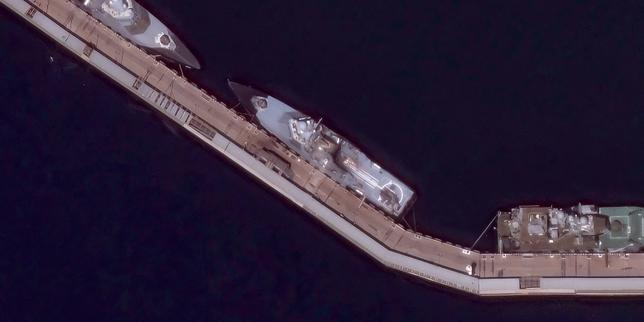
The primary barrier to implementing a maritime moratorium lies in the stark asymmetry of the current naval theater. Ukraine, lacking a traditional surface fleet, has successfully deployed uncrewed surface vessels and aerial drones to alter the balance of power, forcing Russian naval assets to relocate from forward bases in Sevastopol to safer eastern ports like Novorossiysk.
Accepting a cessation of strikes on commercial and maritime infrastructure carries distinct tactical costs for each party:
- The Ukrainian Calculus: Kyiv relies on maritime asymmetric pressure to degrade adversary supply lines, constrain military logistics serving occupied territories, and counter economic blockades. A unilateral or poorly structured freeze risks neutralizing the very instruments exerting financial and operational pressure on the Kremlin.
- The Russian Calculus: Moscow views proposed humanitarian or commercial pauses through the lens of force regeneration. Official statements from Russian diplomatic channels frequently emphasize that any interruption in military operations would be utilized by adversaries to regroup, reinforce defense systems, and restore offensive readiness.
The Mechanics of Diplomatic Friction
The diplomatic friction surrounding the purported moratorium illustrates the gap between third-party mediation efforts and state-level operational planning. Ankara's push for a localized truce addresses the immediate physical dangers facing merchant shipping, including vessels flying the Turkish flag. However, mediation attempts frequently stall due to structural ambiguities regarding what constitutes a legitimate military target versus protected commercial traffic.
- Verification Deficits: Establishing a verifiable monitoring mechanism for uncrewed systems and naval drones operating in complex coastal environments remains a formidable operational hurdle.
- Scope Ambiguity: Proposals that fail to explicitly separate commercial merchant shipping from military logistics assets inevitably break down during implementation.
Strategic Outlook
De-escalation in the Black Sea cannot be achieved through generalized appeals for stability without addressing the underlying military imbalances. Any viable framework must reconcile international navigation safety with the core security requirements of littoral states. Until verification mechanisms can guarantee that a cessation of hostilities does not provide an unearned operational advantage to either side, diplomatic initiatives will remain stalled in procedural disputes over formal transmission channels and baseline definitions.