International relations frequently reduce statecraft to transactional calculus, treating diplomacy as a ledger of tariffs, military posture, and binding legal text. However, material exchanges operate on an entirely separate psychological and structural frequency. When foreign policy interactions incorporate living artifacts, such as the exchange of specialized flora during bilateral leadership summits, the transaction transcends standard political signaling. This dynamic was sharply highlighted during high-level engagements between Washington and Beijing, where a simple garden walk transformed biological specimens into diplomatic leverage. Deconstructing this interaction reveals the underlying mechanics of how symbolic assets manage friction between superpowers.
The Asymmetry of Tangible Statecraft
Traditional diplomatic instruments are linguistic. Treaties, communiqués, and joint statements rely on dense legal phrasing designed to be parsed by bureaucracies rather than consumed by publics. Conversely, biological gifts bypass administrative translation layers entirely.
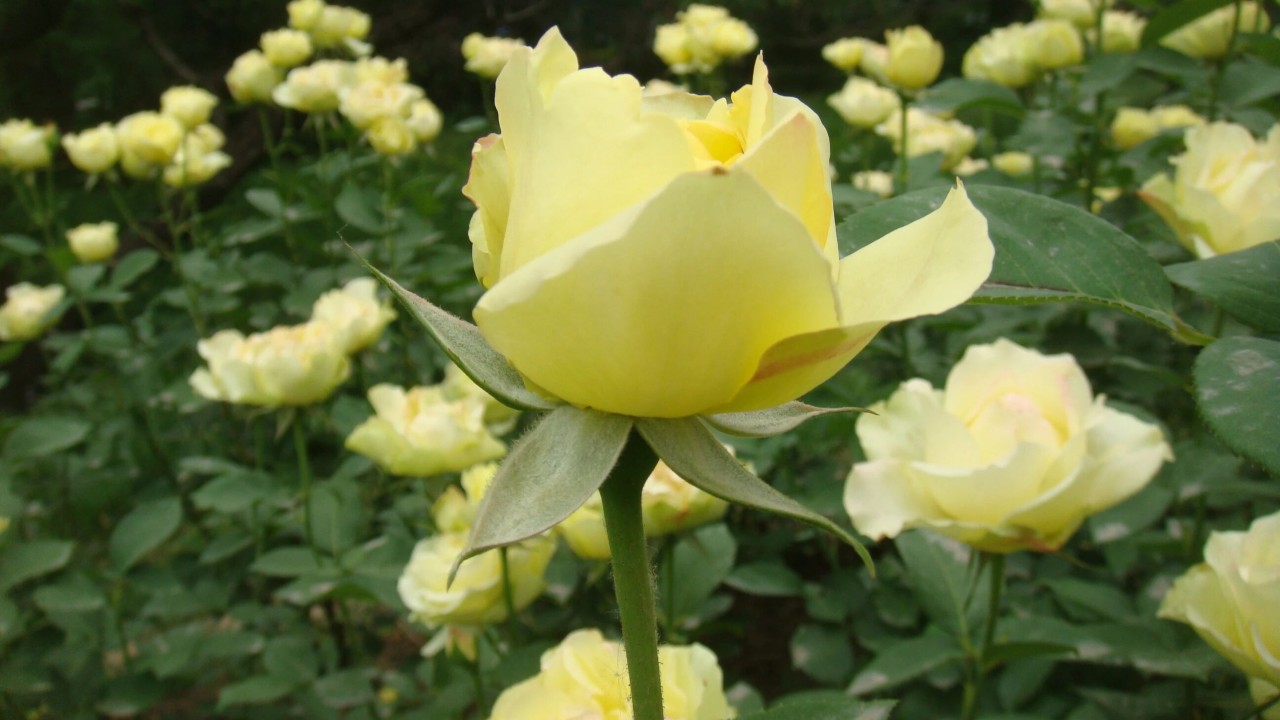
When leadership interactions yield physical deliverables—such as proprietary rose strains or agricultural seeds—they introduce tangible domestic utility into foreign relations. This mechanism relies on three distinct variables:
- Immediate Domestic Visibility: Unlike a bilateral trade pact that takes quarters to impact macroeconomic data, a horticultural asset provides instant visual capital for domestic media consumption.
- Low Stakes, High Sentiment: Biological items lower the cognitive resistance of skeptical domestic audiences, framing geopolitical competition through a lens of shared natural aesthetics.
- Controlled Permanence: Plants grow, propagate, and persist across multiple political cycles, anchoring a fleeting diplomatic encounter into physical soil for years.
The Mechanics of Personalized Concessions
State visits governed by rigid protocols rarely yield spontaneous diplomatic concessions. Instead, deviations from standard itineraries—such as private tours through historical compounds like Zhongnanhai—signal an elevated level of informal access.
The structural utility of these curated environments lies in their capacity to reframe power dynamics. When a visiting head of state expresses admiration for localized flora, the host faces a compressed decision matrix:
- Denial: Refusing the request preserves bureaucratic distance but incurs an immediate interpersonal friction cost.
- Fulfillment: Granting the request transforms a minor aesthetic compliment into an open-ended diplomatic commitment.
By choosing fulfillment, leadership leverages personalization to humanize an otherwise adversarial relationship. The commitment to supply specific botanical varieties acts as a low-cost, high-yield mechanism to secure immediate rhetorical alignment on separate, unrelated geopolitical friction points.
The Security Counter-Vector
Every diplomatic gesture involving physical goods carries an operational risk profile that intelligence apparatuses must evaluate. While a package of rose seeds appears benign, the operational protocols surrounding high-level state visits dictate extreme caution. Delegations routinely balance the political upside of accepting foreign artifacts against the inherent counter-intelligence threat profile associated with foreign-origin materials.
This friction creates a paradox within modern statecraft. The political executive demands personalized, tactile diplomacy to project warmth and control, while national security infrastructure systematically mitigates potential vulnerabilities by treating all foreign-sourced items with institutional suspicion. Consequently, the physical transfer of items often exists in tension with the underlying security architecture governing great power competition.
Strategic Trajectory
Material diplomacy will continue to serve as a pressure valve for systemic geopolitical rivalry. As formal multilateral institutions face institutional gridlock, leaders increasingly rely on personalized, tangible exchanges to signal intent without altering hard legal baselines. The enduring lesson of horticultural statecraft is that symbolic capital often travels where formal treaties stall, utilizing the universal language of physical environment to stabilize volatile diplomatic channels.