The proposed Islamabad Memorandum of Understanding (MoU) between the United States and Iran, mediated by Pakistan and Qatar, functions as a mechanism of strategic arbitrage rather than a definitive resolution to regional conflict. Structurally, the text decouples immediate kinetic de-escalation from long-term strategic disarmament. By engineering a 60-day operational window to halt hostilities, reopen the Strait of Hormuz, and suspend the US naval blockade, the framework defers the core architectural challenge: the systemic dismantling or containment of Iran's advanced nuclear infrastructure.
This structural separation exposes a fundamental asymmetry in tactical leverage. While the United States views the MoU as a sequential on-ramp toward the absolute elimination of Iran’s highly enriched uranium (HEU) stockpiles, Tehran treats the 60-day technical negotiation period as an opportunity to pressure the sanctions regime without altering its structural nuclear latency.
The Dual-Phase Structural Framework
The Islamabad MoU rejects the comprehensive single-text negotiation model previously seen in the 2015 Joint Comprehensive Plan of Action (JCPOA). Instead, it institutes a bifurcated operational timeline designed to separate commercial and military friction from nuclear asset verification.
[Phase 1: 60-Day Ceasefire] ---> [Strait of Hormuz Demining (Days 1-30)] ---> [US Naval Blockade Lifted]
                                        |
                                        v
[Phase 2: Technical Talks]  ---> [Target: 400kg of 60% HEU Reprocessing / External Removal]
Phase One: Kinetic and Maritime Stabilization
The immediate component of the agreement establishes a strict 60-day extension of the April 8 ceasefire. The operational parameters of this phase demand rapid, verifiable physical actions:
- Strait of Hormuz Demining: Iran must clear an estimated dozen naval mines planted within the waterway during the first 30 days.
- Blockade Reciprocity: The United States must systematically lift the naval blockade on Iranian ports imposed on April 17, restoring standard maritime commercial traffic.
- Zero-Toll Guarantee: Iran must guarantee unhindered commercial transit through the Strait without imposing unilateral tariffs, standardizing global energy shipping costs.
Phase Two: Deferred Nuclear Technical Negotiations
The text explicitly moves all nuclear-related deliberations into a secondary negotiation cycle, scheduled to begin immediately upon the formal signing of the MoU. This creates an isolated 60-day technical window. The defined objectives of the American negotiating team during this period focus on structural liquidation:
- Stockpile Extradition: The absolute removal or external reprocessing of Iran's estimated 400-kilogram stockpile of 60% enriched uranium.
- Infrastructure Degradation: The long-term suspension of enrichment activities above civilian power thresholds (3.67% to 5%) and the verifiable disabling of advanced centrifuge cascades.
The Asymmetric Leverage Functions
The strategic vulnerability of the Islamabad MoU lies in the divergent cost functions of the two primary actors. The agreement operates under an assumptions mismatch regarding how economic relief maps to structural compliance.
The Western Performance Metric
The United States utilizes a strict "relief-for-performance" model. Under this doctrine, legal and administrative mechanisms to unfreeze Iranian foreign assets—including the contested $24 billion held in overseas accounts—remain completely frozen during Phase One. Disbursements are structurally locked until the International Atomic Energy Agency (IAEA) or a designated external authority verifies the physical export or destruction of weapons-grade material.
The Iranian Latency Protection Strategy
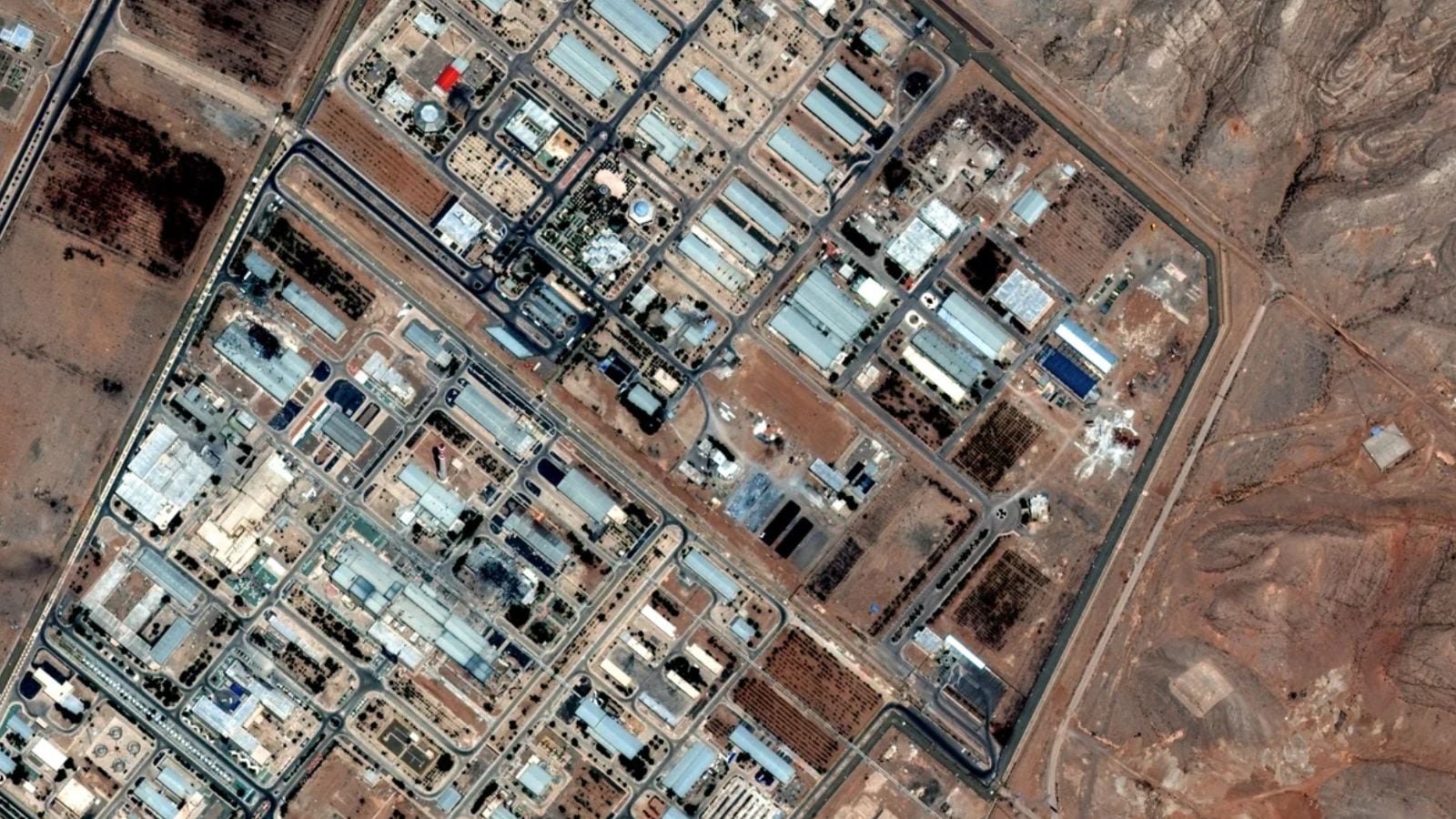
Tehran’s civilian and Islamic Revolutionary Guard Corps (IRGC) leadership view the MoU through the lens of preservation. By securing the lifting of the naval blockade during Phase One without destroying a single centrifuge, Iran achieves immediate economic breathing room. The structural latency of their nuclear programme—the specialized knowledge, the hardened underground facilities at Fordow and Natanz, and the engineering capability to rapidly enrich uranium—remains completely intact.
This creates a severe structural bottleneck. Once the US naval blockade is removed and regional energy markets stabilize (evidenced by the immediate 3.3% drop in Brent crude futures to $87.33 per barrel upon text finalization), re-imposing a wartime blockade becomes politically and logistically costly for Washington. Iran maximizes its leverage by pocketing maritime normalization on day one, while holding its nuclear infrastructure as a bargaining chip for the subsequent phase.
Verification Thresholds and Technical Bottlenecks
Any permanent accord emerging from the 60-day technical window faces deep engineering and verification constraints. The modern Iranian nuclear architecture is significantly more sophisticated, decentralized, and hardened than the asset base addressed a decade ago.
The HEU Material Balance Challenge
The primary technical hurdle is the accounting and verification of the 60% enriched uranium stockpile. A standard 60-day window is insufficient to execute full forensic material balances across non-declared or hidden facilities. The process requires a rigid sequence of actions:
- Isotopic Verification: Precision mass spectrometry to verify the exact enrichment levels and total mass of the 400-kilogram gas and oxide forms.
- Cylinder Logistics: Safely transferring volatile Uranium Hexafluoride ($UF_6$) cylinders to a third-party nation, such as Russia or a designated European hub, for down-blending to Low-Enriched Uranium (LEU).
- Cascade Configuration Auditing: Verifying that advanced IR-6 and IR-4 centrifuge cascades are physically disconnected rather than merely idled. Idled centrifuges can be repiped and restarted within 24 to 72 hours, rendering a temporary suspension strategically meaningless.
Geopolitical Friction Points
The bilateral nature of the US-Iran MoU, despite being facilitated by Pakistan and Qatar, creates immediate diplomatic insulation and pushback from regional and global stakeholders.
European and Gulf Exclusion
The exclusion of European signatories to previous frameworks, alongside traditional US security partners in the Gulf (Saudi Arabia and the United Arab Emirates), introduces structural instability. While Gulf leaders verbally expressed support during multilateral calls with Washington, their long-term security calculations are shifting. The absence of strict limitations on Iran’s ballistic missile infrastructure and regional proxy funding within the text of the MoU forces regional powers to hedge. This drives local states to seek alternative defense hardware suppliers and look toward external actors like China to guarantee maritime security frameworks.
The Pakistan-Qatar Mediation Vector
Pakistan's role as the primary diplomatic and military bridge—reinforced by direct high-level military consultations between Islamabad and Tehran—is driven by immediate border stabilization needs and economic interests. A protracted US-Iran war directly threatens Pakistani economic stability, energy security, and internal border management. Qatar provides the financial infrastructure capable of handling the phased release of frozen assets. This mediation axis effectively replaces the traditional Western-dominated diplomatic formats, shifting the geopolitical balance of mediation toward regional powers.
Strategic Recommendation
The United States must avoid treating the signing of the Islamabad MoU as a done deal or an opportunity to pivot resources away from the region. To prevent Tehran from weaponizing the 60-day technical window to institutionalize its nuclear threshold status, Washington must execute a rigid two-track execution strategy.
First, the United States must maintain its current naval and strike asset posture within the Central Command theater. The suspension of the naval blockade must be explicitly tied to a rolling, weekly review mechanism. If Iran fails to meet its demining benchmarks within the first 30 days, or if it restricts IAEA access to enrichment sites during the technical talks, the blockade must automatically snap back into place without requiring new executive authorizations.
Second, the technical talks must reject any partial asset releases or "goodwill" funding mechanisms. The $24 billion in frozen funds must remain locked in escrow accounts, with disbursements strictly indexed to the verified physical departure of $UF_6$ cylinders from Iranian soil. If the 60-day clock expires without a comprehensive, verifiable agreement to export or down-blend all material enriched above 5%, the United States must immediately terminate the interim ceasefire, treat the MoU as void, and resume maximum economic and maritime containment measures.