The confirmation of the first two fatalities in Michigan linked to the ongoing national cyclosporiasis outbreak shifts the epidemiological calculus from a localized gastrointestinal disruption to a systemic food safety failure. With state case counts exceeding 11,200 infections and hospitalizations approaching the two-hundred threshold, the structural vulnerabilities of fresh produce supply chains are laid bare. Understanding why a traditionally non-fatal parasitic infection has resulted in mortality requires analyzing the vector mechanics, the physiological cost function of prolonged dehydration, and the distribution failures inherent in centralized agricultural logistics.
The Vector Mechanics and Supply Chain Vulnerabilities
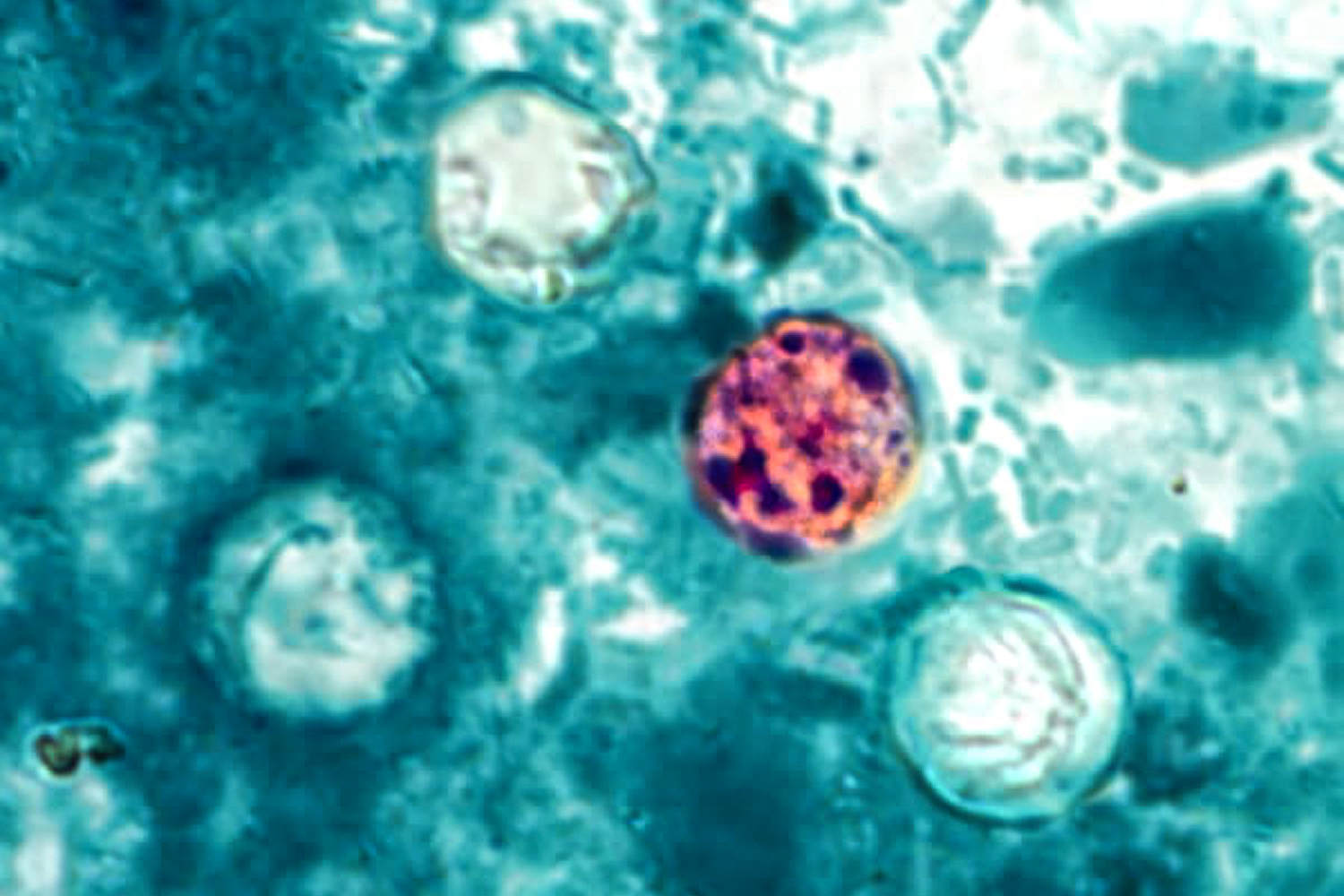
Cyclosporiasis is caused by Cyclospora cayetanensis, a microscopic protozoan parasite that infects the small intestine. Unlike bacterial pathogens such as E. coli or Salmonella, which can multiply rapidly in contaminated food under optimal ambient temperatures, Cyclospora requires an environmental maturation phase. When oocysts are shed in feces, they are not immediately infectious; they require days to weeks in favorable warm conditions to sporulate and become pathogenic.
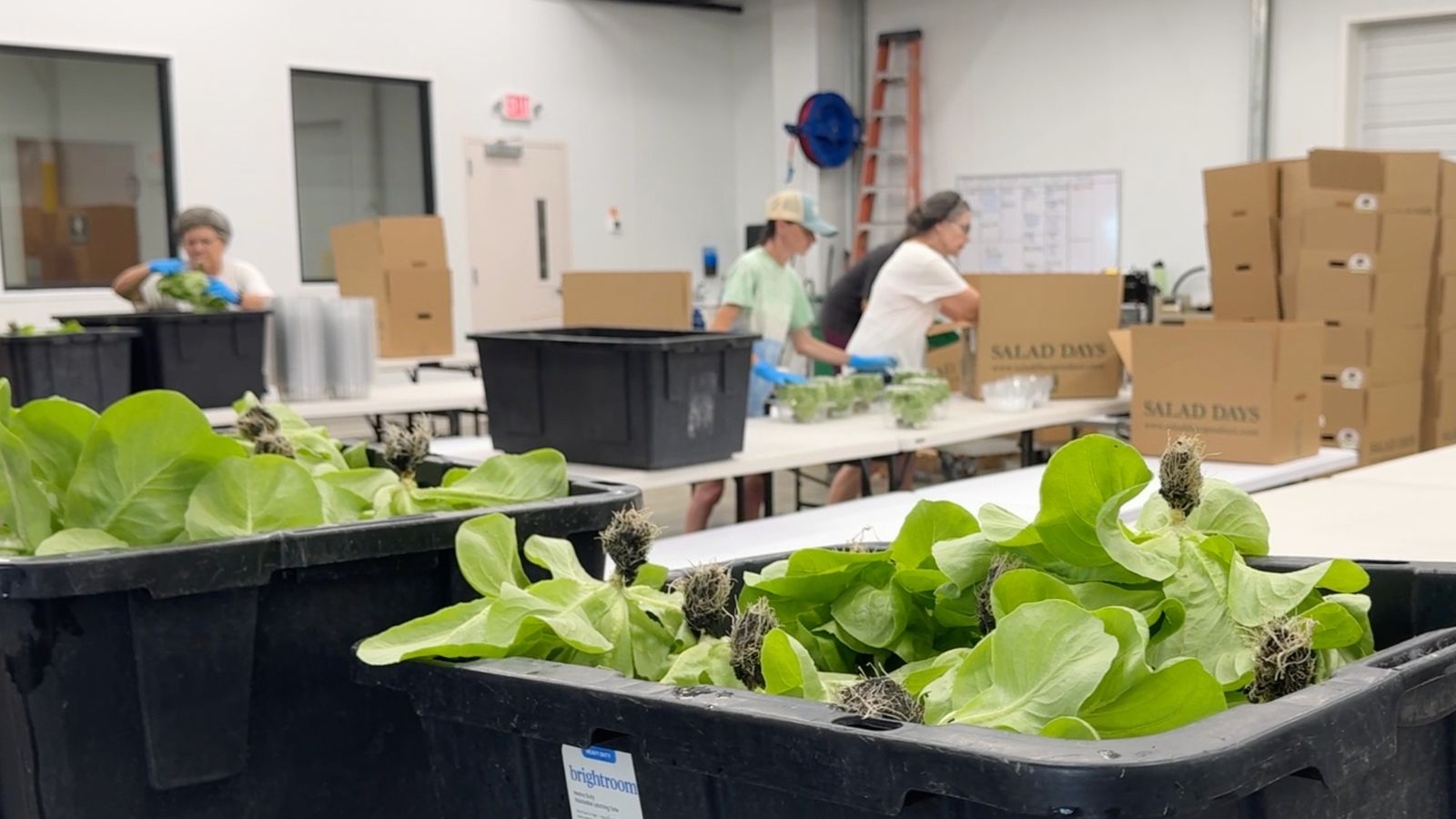
This biological requirement dictates the primary vector of transmission: imported fresh produce, specifically iceberg lettuce, cilantro, basil, and raspberries, which are irrigated or washed with water tainted by human fecal matter. Because fresh produce is consumed raw and resists standard surface sanitation protocols—its irregular textures and crevices shielding oocysts from brief chlorine washes—the parasite bypasses thermal kill-steps.
The current outbreak, tracing back in part to centralized agricultural operations like Taylor Farms de Mexico supplying commercial distributors such as Taco Bell, highlights a fundamental logistics flaw. Centralized aggregation models pool produce from disparate smallholder farms into single processing facilities. A single point of water contamination at the farm level scales instantly into a multi-state distribution vector before trace-back protocols can isolate the origin point.
The Physiological Cost Function of Dehydration
The transition of cyclosporiasis from an uncomfortable, self-limiting illness to a fatal event centers on fluid homeostasis and baseline patient vulnerability. The Michigan Department of Health and Human Services confirmed that the two deceased individuals possessed significant underlying health conditions that severely compromised their physiological reserve.
To model the clinical risk, consider the fluid loss function in parasitic infections:
$$Loss_{fluid} = \int_{0}^{t} (V_{diarrhea} - V_{absorption}) dt$$
When the volume of expulsion via frequent, watery bowel movements exceeds the maximum physiological intake capacity, acute hypovolemic shock or rapid electrolyte derangement ensues. For patients with pre-existing renal, cardiovascular, or metabolic pathologies, even a moderate acceleration in fluid deficit triggers multi-organ system strain.
The parasite's incubation period of approximately one week, coupled with symptom durations stretching from several weeks to months if left untreated, creates a prolonged catabolic state. Misdiagnosis or delayed prescription of the standard therapeutic intervention—trimethoprim-sulfamethoxazole (TMP-SMX)—extends the duration of the integral equation above, pushing vulnerable populations past their physiological tipping points.
Surveillance Gaps and the Underreporting Multiplier
Public health tracking systems rely on a cascade of diagnostic confirmations that systematically undercount actual disease incidence. The official case tallies reported by state health agencies represent only a fraction of true community morbidity.
The underreporting multiplier operates through distinct structural filters:
- Asymptomatic Carriage: A subset of individuals infected with Cyclospora exhibit zero clinical symptoms while continuing to shed oocysts, entirely bypassing medical surveillance.
- Healthcare Seeking Friction: Mild or moderate gastrointestinal distress frequently fails to prompt a clinical visit, leading patients to self-treat or endure symptoms without diagnostic stool testing.
- Diagnostic Omission: Routine stool ova and parasite exams do not automatically screen for Cyclospora unless clinicians specifically order specialized acid-fast staining or molecular polymerase chain reaction assays.
- Reporting Lag: State health departments distinguish between laboratory-confirmed cases and probable cases, creating temporal discrepancies in surveillance updates that obscure real-time epidemiological curves.
These structural bottlenecks mean that an official count of 11,234 cases in Michigan likely masks a broader community penetration. This distortion impedes predictive modeling for healthcare systems attempting to forecast emergency department utilization.
Supply Chain Realignment and Operational Defense
Mitigating future large-scale parasitic outbreaks requires a shift from reactive product recalls to proactive biosecurity enforcement across international agricultural borders. Food service operators and retail distributors can no longer rely on downstream washing steps to neutralize biological contaminants embedded in produce structures.
Procurement strategies must mandate verified closed-loop water treatment systems at foreign and domestic source farms, moving away from untreated surface irrigation water in regions prone to infrastructure deficits. Automated traceability frameworks utilizing item-level serialization must replace manual paper-trail audits, compressing trace-back timelines from weeks to hours when contamination events occur.
For clinical practitioners and public health infrastructure, diagnostic protocols must adapt to seasonal vector spikes by defaulting to multiplex gastrointestinal panels during late spring and summer windows, ensuring rapid identification and targeted antibiotic intervention before dehydration cascades into systemic failure.