Rapidly converging environmental stressors and high-density seasonal populations create a volatile friction point during Mediterranean summer crises. When two fires erupted almost simultaneously on the Greek island of Salamina, the resulting fatalities and mass evacuations underscored structural vulnerabilities in island emergency management. Standard reporting focuses on the emotional toll and immediate chaos, but a rigorous operational deconstruction reveals a compounding failure of vector timing, wind kinematics, and urban interface fragility.
The Vector Mechanics of Simultaneous Ignition
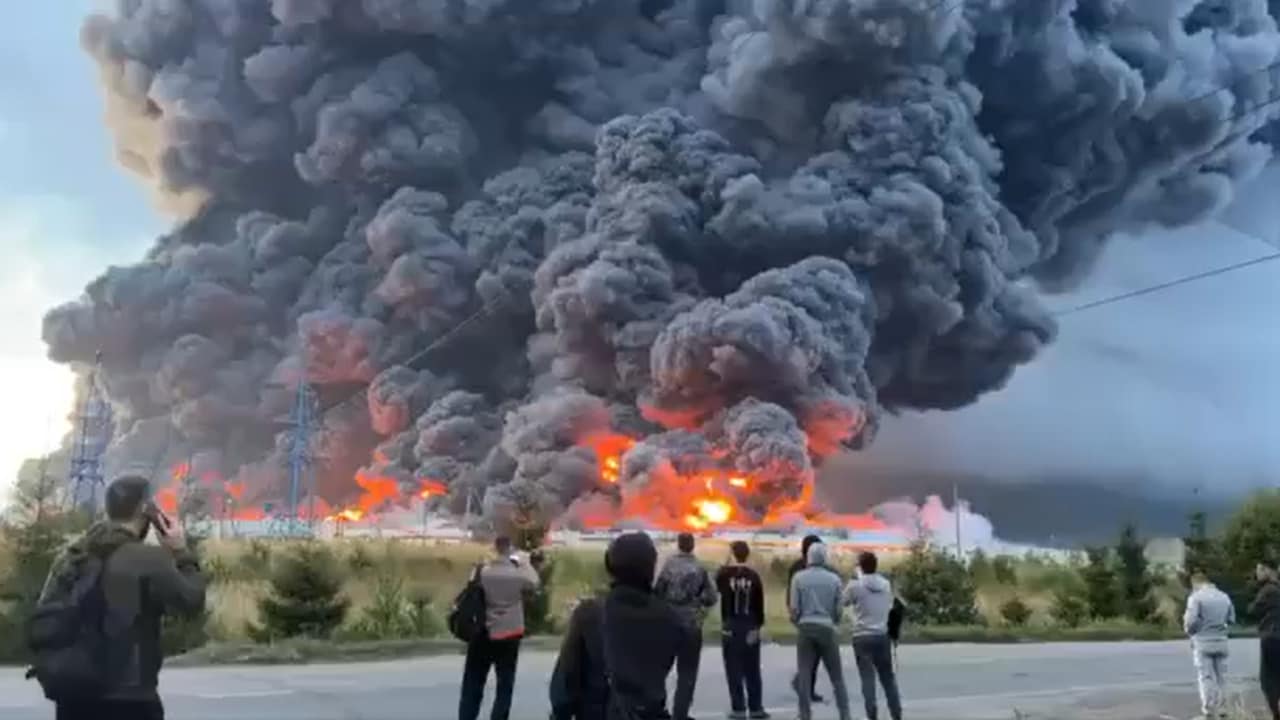
The tactical danger of the Salamina incident stemmed from dual spatial origins rather than a single contiguous front. The first fire initiated near the southern coast in Peristeria at approximately 14:40 local time, while a second ignition occurred roughly twenty minutes later in Selinia on the eastern side.
This dual-front geometry forced a strategic division of local emergency assets. In wildfire management, resource allocation follows a non-linear degradation curve once multiple independent perimeters demand suppression. Rather than concentrating suppression capacity on a single head, tactical commanders must split aerial and ground units, neutralizing the concentration of force necessary to establish containment lines during the critical initial containment window.
The proximity of residential housing to dense forest zones in Peristeria compounded the hazard. Wildfire propagation models demonstrate that when burning embers cross the urban-wildland interface, structural ignition acts as a secondary fuel source, accelerating thermal output independently of surrounding vegetation.
Environmental Variables and Time-to-Spread Kinetics
The incident coincided with peak seasonal vulnerability. Successive European heatwaves throughout the season had reduced regional moisture content in vegetation to critical thresholds, leaving fuel beds tinder-dry. Compounding this baseline dryness, near gale-force winds swept across the Saronic Gulf on Sunday, placing Salamina under a high wildfire risk warning.
According to fire authorities, these atmospheric conditions enabled the primary blaze to reach dangerous proportions and spread toward residential sectors within seven minutes of ignition. The velocity of the spread exposed the limitations of traditional ground response times. When wind-driven flame fronts advance at high speeds through mixed terrain, the reaction time of civilian populations drops below the threshold required for orderly egress, necessitating emergency alert systems such as the national 112 protocol to force immediate movement.
Infrastructure Bottlenecks and Evacuation Logistics
Island geographies present unique logistical constraints during mass displacement events. Salamina absorbs a substantial influx of temporary visitors from Athens during the peak summer holiday weekend surrounding the Assumption holiday. This seasonal population surge distorts baseline municipal infrastructure capacity, increasing the vehicle density on local road networks.
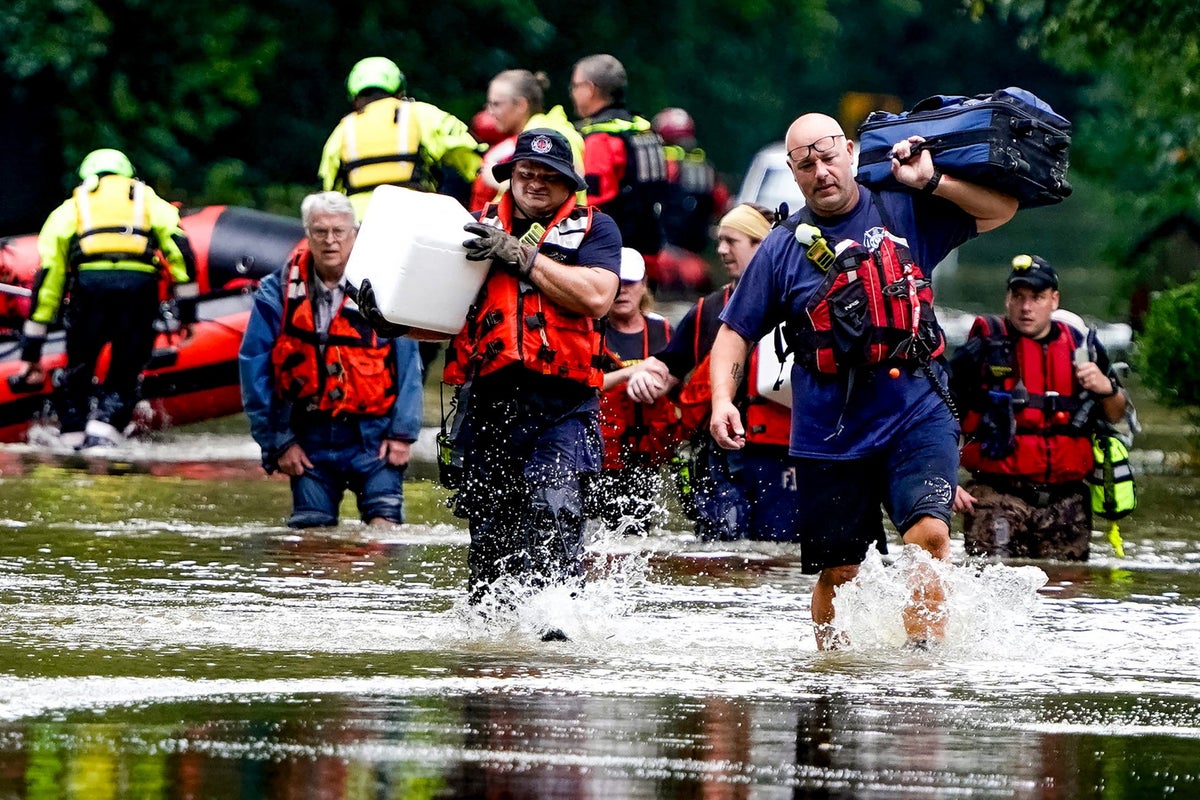
When fire and dense smoke cut off primary terrestrial transit corridors, evacuation protocols must pivot to maritime vectors. The Hellenic Coast Guard and local authorities deployed patrol boats, private vessels, and firefighting craft to execute sea evacuations for hundreds of stranded beachgoers and residents.
Maritime evacuation, while effective as a fail-safe, introduces significant operational friction:
- Loading Latency: Shoreline embarkation points lack the deep-water docks required for rapid high-capacity vessel boarding.
- Visibility Impediments: Dense smoke reduces line-of-sight navigation for small watercraft operating close to burning shorelines.
- Triage Deficits: Coordinating unorganized civilian crowds onto watercraft under thermal stress increases injury risks and delays departure windows.
Systemic Failures in Regional Wildfire Containment
The deployment of nearly 200 firefighters, supported by dozens of engines and multiple aerial units, highlights the heavy resource footprint required to stabilize a multi-front island fire. However, aerial suppression assets face strict operational ceilings when wind velocities exceed safe flight parameters or when smoke density obscures drop targets.
The fatalities recorded in Peristeria illustrate the fatal intersection of rapid front expansion and entrapment in legacy residential pockets that lack defensible space clearances. Traditional European rural-urban transition zones often retain dense pine vegetation right up to structural perimeters, creating an unbuffered thermal trap.
To mitigate future systemic failures in Mediterranean island micro-climates, civil protection frameworks must transition from reactive suppression to preemptive asset staging based on real-time meteorological modeling. Municipalities must enforce strict vegetation clearance mandates within a fifty-meter radius of all structures in high-risk zones, while establishing redundant, hardwired evacuation routes that do not rely solely on single coastal arteries.