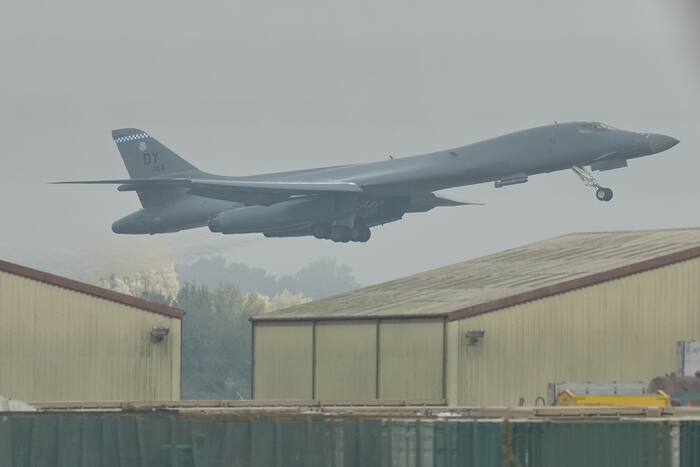
Counterintelligence investigations involving state-backed asymmetric threats present a recurring institutional dilemma: balancing preventive detention against evidentiary thresholds required by criminal law. When British counterterrorism authorities arrested five individuals near the Royal Air Force Fairford base in Gloucestershire—a critical installation utilized by United States strategic bombers—and subsequently released them on police bail, the operational friction between intelligence collection and judicial prosecution was brought into sharp relief.
Understanding why high-profile national security suspects are released prior to formal indictment requires analyzing the legal mechanics of investigative custody, the structural divide between intelligence and evidence, and the economics of hostile state proxy operations.
The Evidentiary Chasm Between Intelligence and Prosecution
The primary point of friction in contemporary counterterrorism operations lies in the fundamental operational divergence between intelligence agencies and law enforcement prosecutors. Intelligence services operate on probability, pattern recognition, and early interception. Their objective is threat mitigation, often achieved by monitoring networks before an operational cycle matures. Law enforcement agencies, conversely, operate on legal certainty. To maintain a suspect in custody without bail or secure an indictment, prosecutors must meet rigid evidentiary burdens under criminal statutes.
In the Gloucestershire investigation, initial reports indicated that while suspicious vehicles containing petrol were intercepted and specialized bomb-disposal units were deployed, a conclusive physical cache of operational explosives was not immediately recovered. Under English criminal law, pre-charge detention time limits are strictly capped unless extended via judicial warrants under terrorism legislation.
When the threshold of admissible evidence fails to match the perceived severity of the threat within statutory detention windows, police forces face a distinct legal constraint. Releasing suspects on bail is not an abandonment of investigation; it is a mechanical compliance with judicial limits designed to prevent indefinite executive detention while digital forensics, financial tracking, and cross-border intelligence sharing continue behind the scenes.
The Economics of Proxy Sabotage and Hostile State Networks
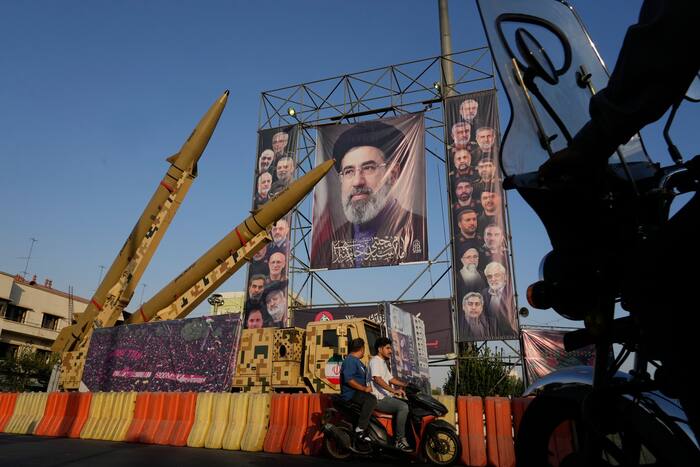
Hostile state actors, notably entities associated with Iranian Islamic Revolutionary Guard Corps networks or proxy organizations, have increasingly shifted toward low-cost, decentralized operational models in Western jurisdictions. Rather than deploying trained intelligence officers under diplomatic cover, these networks frequently leverage criminal proxies, dual nationals, or local recruits for reconnaissance and logistical staging.
This structural shift alters the cost function of counterterrorism investigations:
- Asymmetric Footprint: Proxies leave fragmented digital and financial trails, making it difficult to instantly link low-level operators to state-level handlers.
- Plausible Deniability: The operational separation between command nodes and field agents allows state sponsors to absorb the tactical loss of intercepted cells without diplomatic escalation.
- Saturating Surveillance: Hostile actors utilize commercial infrastructure—such as standard rental or utility vehicles—to blend into civilian environments, forcing counterintelligence agencies to monitor vast amounts of background noise.
When vans are parked near civilian corridors adjacent to military installations, law enforcement faces a tactical paradox. Intervening too early exposes surveillance capabilities and reveals intelligence sources before a wider transnational network can be mapped. Intervening too late risks operational execution by the threat actors. The decision to detain and subsequently bail suspects often reflects an ongoing institutional effort to map the broader network rather than prematurely cutting off the supply chain of intelligence.
Geopolitical Pressures and Institutional Accountability
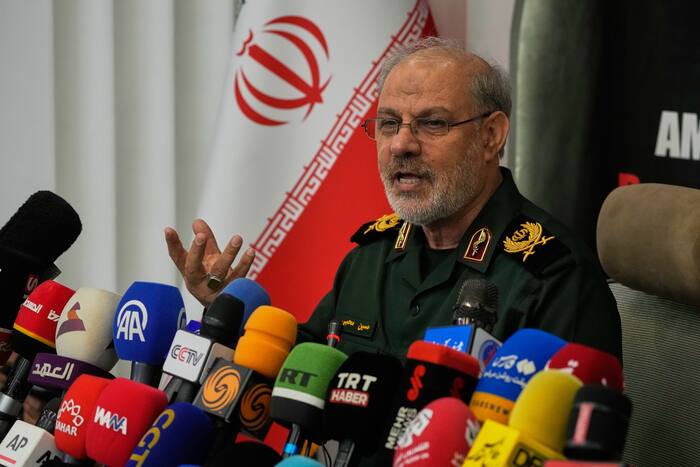
The involvement of critical allied infrastructure—specifically U.S. strategic assets stationed abroad—introduces immediate diplomatic friction into domestic counterterrorism workflows. Public statements from foreign officials highlighting active surveillance prior to an arrest underscore the complex multi-agency coordination required when sovereign jurisdictions intersect.
When local residents express frustration over visible security gaps or the close proximity of suspicious operations to civilian housing, it exposes the vulnerabilities inherent in open-society defense models. Military installations cannot operate in absolute isolation from the civilian infrastructure that surrounds them. Consequently, the defense posture relies heavily on early warning systems, electronic surveillance, and domestic police cooperation.
The institutional risk for domestic authorities is twofold. Premature public disclosures risk tipping off co-conspirators operating internationally, while overly cautious legal maneuvers risk public confidence when suspects implicated in high-level security probes are returned to the community on bail pending further analysis.
Operational Calibration and Future Risk Mitigation
Resolving the structural vulnerabilities exposed by modern state-sponsored probes requires targeted adjustments to inter-agency frameworks. Jurisdictions facing heightened hostile state activity must refine the legal mechanisms governing the transition phase from classified intelligence to actionable criminal proceedings.
To reduce the frequency of premature releases driven by statutory detention caps, intelligence and policing units must optimize real-time forensic processing of encrypted communications and financial flows. Simultaneously, allied intelligence-sharing protocols must accelerate the clearance of evidentiary material for courtroom use without compromising classified sources and methods. The long-term efficacy of counter-sabotage operations depends entirely on closing the gap between the speed of digital intelligence and the rigidity of criminal procedure.