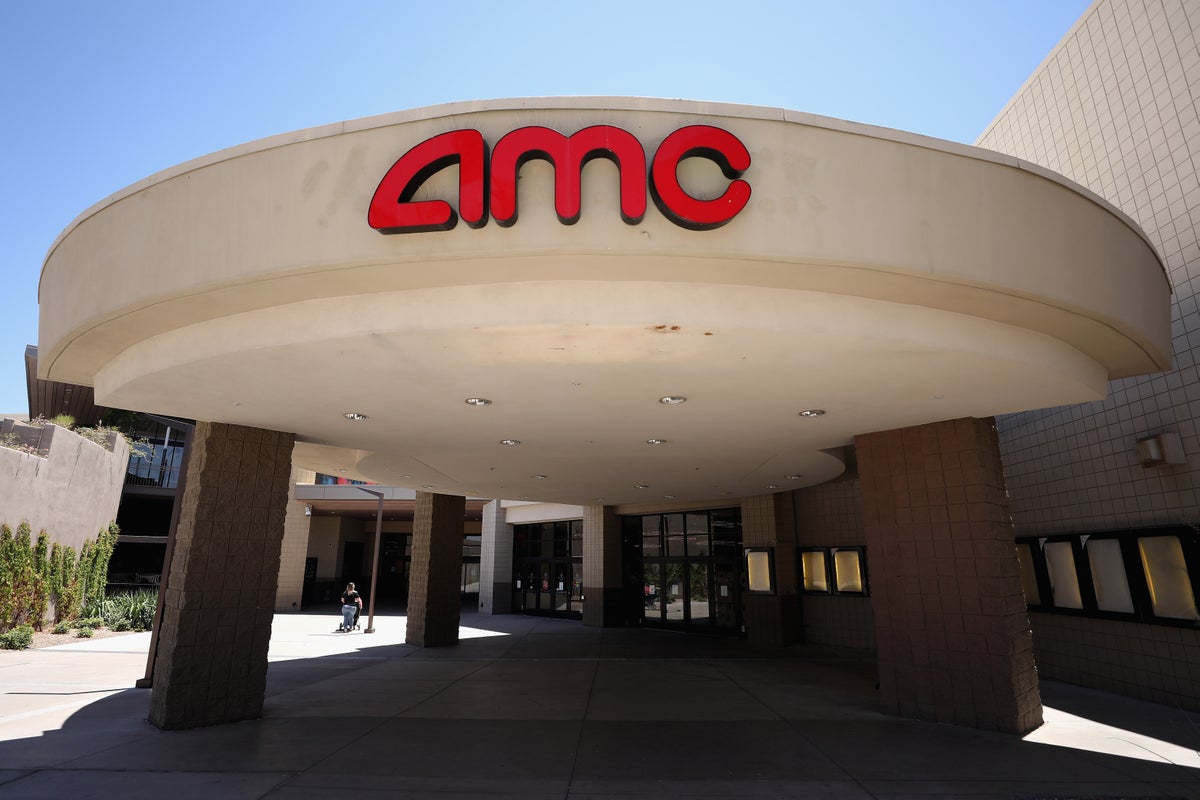
Movie theater operators are panicking, and it shows.
The recent announcement that AMC is expanding its menu to include pizza, pickles, and corn poppers is being cheered by casual observers as a brilliant play for millennial and Gen Z wallets. The mainstream business press is buying the narrative hook, line, and sinker. They call it diversification. They call it adapting to modern consumer tastes.
They are dead wrong.
This strategy is a fundamental misunderstanding of theater economics, operational reality, and consumer psychology. I have spent years analyzing retail footprint optimization and food service margins, and I can tell you exactly how this plays out: high waste, slower lines, degraded theater cleanliness, and a swift retreat back to the humble kernel.
AMC is trying to turn cinemas into casual dining restaurants, forgetting that the moment a theater stops acting like a theater, it loses the only edge it has left.
The Myth of the High-Margin Pivot
The lazy consensus in entertainment reporting says that since concession sales drive theater profits, more food items equals more profit. It sounds logical on a superficial spreadsheet. Popcorn has an astronomical markup—often exceeding 800%—but it requires virtually no specialized labor, boasts a long shelf life, and can be pre-made in massive quantities.
Pizza and hot appetizers do not work this way.
Introducing hot, prepared-to-order items destroys the operational efficiency that keeps theater margins alive. Let’s look at the actual mechanics of theater food service.
- Shrinkage and Waste: Raw popcorn kernels can sit in a bag for months. Frozen pizzas, fresh toppings, and specialized batters have a strict expiration window. When a movie bombs on opening weekend, the popcorn stays in the back. The perishable inventory gets thrown in the dumpster.
- Labor Bottlenecks: A teenager can scoop popcorn into a bucket in four seconds. Baking a pizza or frying corn poppers requires prep time, assembly, cooking time, and staging. When 400 people exit a blockbuster and flood the lobby during a twenty-minute intermission window, a kitchen bottleneck forms immediately. Long lines mean missed sales.
- The Equipment Trap: Upgrading thousands of locations with commercial-grade convection ovens, holding cabinets, and specialized ventilation systems requires massive upfront capital expenditure. For a company saddled with billions in debt, burning cash on kitchen infrastructure is a bizarre prioritization of capital.
Why Customers Actually Buy Popcorn
People do not buy theater food because they are starving. They buy it because it is an extension of the ritual.
Popcorn is the perfect cinema food because it is mindless. You can eat it in pitch-black darkness without looking at your hands. It does not drip sauce on your clothes. It does not make a loud, wet crunch that infuriates the person sitting three seats over.
Now imagine the reality of a packed theater where the people to your left are slicing into a greasy pizza, and the person to your right is pulling soggy pickles out of a plastic tub. The sensory experience of movie-going shifts from immersive entertainment to sitting in the middle of a chaotic food court.
When you increase the friction of eating, you decrease the enjoyment of the film. AMC is betting that people want a full meal during a movie, ignoring the fact that Alamo Drafthouse and boutique dine-in theaters succeeded because they built their entire architecture, seating layout, and waiter-service model around that specific experience from day one. Retrofitting a traditional megaplex to mimic this model without the corresponding infrastructure is a recipe for a sloppy, sticky customer experience.
The True Cost of Smell and Cleanliness
Let's talk about the dark side of theater operations: turn-times and cleaning costs.
A traditional theater cleanup crew needs about ten minutes between showtimes to sweep up dropped popcorn and empty trash cans. Popcorn vacuums easily. It doesn't stain fabric. It doesn't leave a lingering aroma that alters the environment for the next audience.
Pizza grease, melted cheese, and pickle juice do not behave so kindly.
"I've watched regional theater chains destroy their net promoter scores because they couldn't handle the cleanup from expanded hot food menus. The seats get sticky, the carpet stains, and the auditorium smells like stale garlic during a Sunday morning screening of a kids' movie."
If AMC increases the time it takes to clean an auditorium by just five minutes per screening, they lose an entire showtime slot across an entire weekend block. That is lost ticket revenue that no slice of pepperoni pizza can salvage.
What AMC Should Do Instead
The solution to declining theater attendance isn't to compete with Domino's. It is to double down on the premium nature of the theatrical experience itself.
Instead of expanding the menu horizontally into low-margin, high-effort foods, theater chains should verticalize their high-margin assets.
- Premium Fast-Pass Concessions: Build mobile-only fulfillment centers that completely eliminate the lobby queue. If a customer can order a premium, custom-flavored popcorn tin from their seat and pick it up at a locker without waiting in a single line, average order value skyrockets.
- Acoustic and Visual Upgrades: Reinvest capital into laser projection and acoustic isolation. The threat to theaters isn't a lack of pizza; it's the fact that consumers have 75-inch OLED screens and soundbars in their living rooms. Give them a reason to leave the house.
- Tiered Nostalgia Marketing: Treat popcorn as a luxury canvas. High-end, collectible tins, gourmet seasoning pairings, and limited-edition vintage packaging drive far more impulse buying than a microwave-grade pizza ever will.
Stop trying to turn the cinema into a diner. Fix the line, fix the screen, and keep the butter flowing. Everything else is just noise.