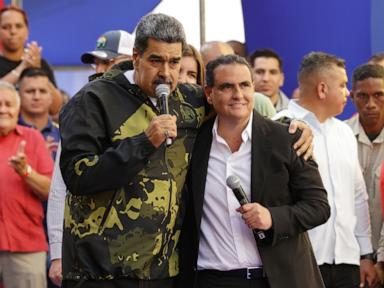
Alex Saab is back in a Miami federal courtroom, shackled and wearing a prison uniform. If you feel like you have lived through this exact script before, you aren't wrong.
The 54-year-old Colombian businessman, long described by American authorities as the essential "bag man" for ousted Venezuelan leader Nicolás Maduro, made his initial court appearance on May 18, 2026. He faces a fresh count of conspiracy to launder monetary instruments linked to a massive bribery ring.
This happens less than three years after the Biden administration handed him a highly controversial presidential pardon in a 2023 prisoner swap. At the time, Caracas celebrated his freedom as a historic triumph against American pressure. Now, the new political guard in Venezuela handed him over to the Americans on a silver platter.
The political shifts in Caracas explain why Saab's legal jeopardy matters immensely right now.
The Loophole That Brought Saab Back to Miami
When Saab walked out of an American prison in late 2023, his legal team thought they had secured total immunity. The prisoner exchange traded Saab for several jailed Americans and the notorious defense contractor Leonard Francis, better known as "Fat Leonard."
The 2023 executive pardon was incredibly specific. It only shielded Saab from the 2019 federal indictment focused on a corrupt scheme involving unbuilt low-income housing. Federal prosecutors and the Drug Enforcement Administration never stopped digging into his other operations.
The new Miami indictment charges Saab with running a massive operation that weaponized the American banking system to launder hundreds of millions of dollars. The money came from two primary sources: siphoned funds from a public welfare food program and the illicit sale of Venezuelan crude oil.
According to the Justice Department, Saab and his co-conspirators relied on shell companies, fake invoices, and falsified shipping records to bypass American economic sanctions from 2019 through at least January 2026. They allegedly gained backdoor access to billions of dollars worth of state-owned oil from Petróleos de Venezuela, S.A. (PDVSA), running the proceeds through American banks to keep their broader networks flush with cash.
Siphoning Millions from a Welfare Program For the Poor
The most politically damaging element of the fresh case involves the Comité Local de Abastecimiento y Producción, universally known as the CLAP program. Maduro created this system to distribute basic food staples like rice, corn flour, and cooking oil to millions of impoverished families during the country's severe hyperinflation crisis.
The Department of Justice alleges that Saab turned this survival program into a personal cash cow. The indictment states that Saab worked closely with his long-time business partner, Alvaro Pulido, to bribe Venezuelan public officials, including a pro-Maduro governor.
Instead of delivering quality sustenance, Saab's network allegedly falsified documents to claim they were importing food from Mexico and Colombia at highly inflated prices. They siphoned off the excess funds, leaving vulnerable citizens with subpar or missing rations while banking massive personal fortunes.
Why Caracas Dumped Maduro's Ultimate Insider
Saab's sudden downfall stems directly from a major shift in Venezuela's executive palace. Maduro's rule ended abruptly on January 3, 2026, following a U.S. military raid that resulted in his capture. Acting President Delcy Rodríguez took control of the government, instantly altering the state's relationship with old-regime power brokers.
Rodríguez is moving quickly to rewrite Venezuela's economic future. She has thrown open the state's oil fields to American energy corporations at a moment when the conflict in Iran has sent global crude prices soaring. To secure credibility with Washington and stabilize her administration, Rodríguez launched a major purge of insider tycoons who built fortunes under Maduro.
Saab was her biggest target. Over the last few months, Rodríguez systematically stripped Saab of his cabinet influence and his role as the primary gatekeeper for foreign investment. When the Venezuelan immigration authority authorized his weekend deportation, they pointedly identified him as a "Colombian citizen." This specific phrasing allowed the government to bypass a strict constitutional ban against extraditing Venezuelan nationals.
The Secrets Saab Could Reveal to US Prosecutors
Saab's presence in American custody is causing panic among the remnants of the old guard in Caracas. He knows where the money is hidden because he was the architect who hid it.
The Justice Department has a massive lever to encourage his cooperation: a statutory maximum sentence of 20 years in federal prison for the money laundering conspiracy charge. Furthermore, Saab has a track record of talking to American law enforcement when the pressure mounts.
During a closed-door court hearing in 2022, defense lawyers dropped a bombshell: Saab had secretly served as an informant for the DEA starting in 2018. He spent years providing deep operational intelligence about the inner workings of Maduro's circle and even forfeited $12 million in illicit profits as part of his cooperation before his initial arrest in Cape Verde.
Federal prosecutors now want him to use that unique insider knowledge. With Maduro currently awaiting trial on federal narcotics charges in Manhattan, Saab is the ultimate character witness. He can detail exactly how the former president used state programs, food distribution networks, and illicit oil sales to fund a corrupt political apparatus.
The Internal Friction Threatening the New Regime
While Rodríguez won significant favor in Washington by handing over Saab, the move creates real vulnerabilities for her at home. The deportation has exposed deep rifts within the ruling socialist movement.
Hardline ideological factions are furious about the move. Interior Minister Diosdado Cabello, who commands immense loyalty within the internal security apparatus and faces his own U.S. criminal indictments, remains highly skeptical of Western deals. Prominent state media figures have publicly attacked the legality of the deportation, calling it a violation of sovereignty and arguing that the U.S. cannot be trusted to negotiate in good faith.
Rodríguez is balancing on a razor's edge. She needs American capital and sanction relief to keep the economy afloat, but she has to manage a heavily armed, radicalized internal faction that views the deportation of a former "national hero" as an existential threat.
International observers and compliance officers should watch three critical indicators over the next few weeks:
- Unsealed Court Records: Monitor the Southern District of Florida's docket for specific names of co-conspirators, financial institutions, and shipping lines involved in the PDVSA oil-skimming operation.
- Venezuelan Security Shifts: Watch for any aggressive political countermoves from Diosdado Cabello or changes in leadership within the military intelligence agencies.
- U.S. Energy Licensing: Track whether the Treasury Department issues expanded operational waivers to major American energy firms looking to scale up production in the Orinoco Oil Belt.