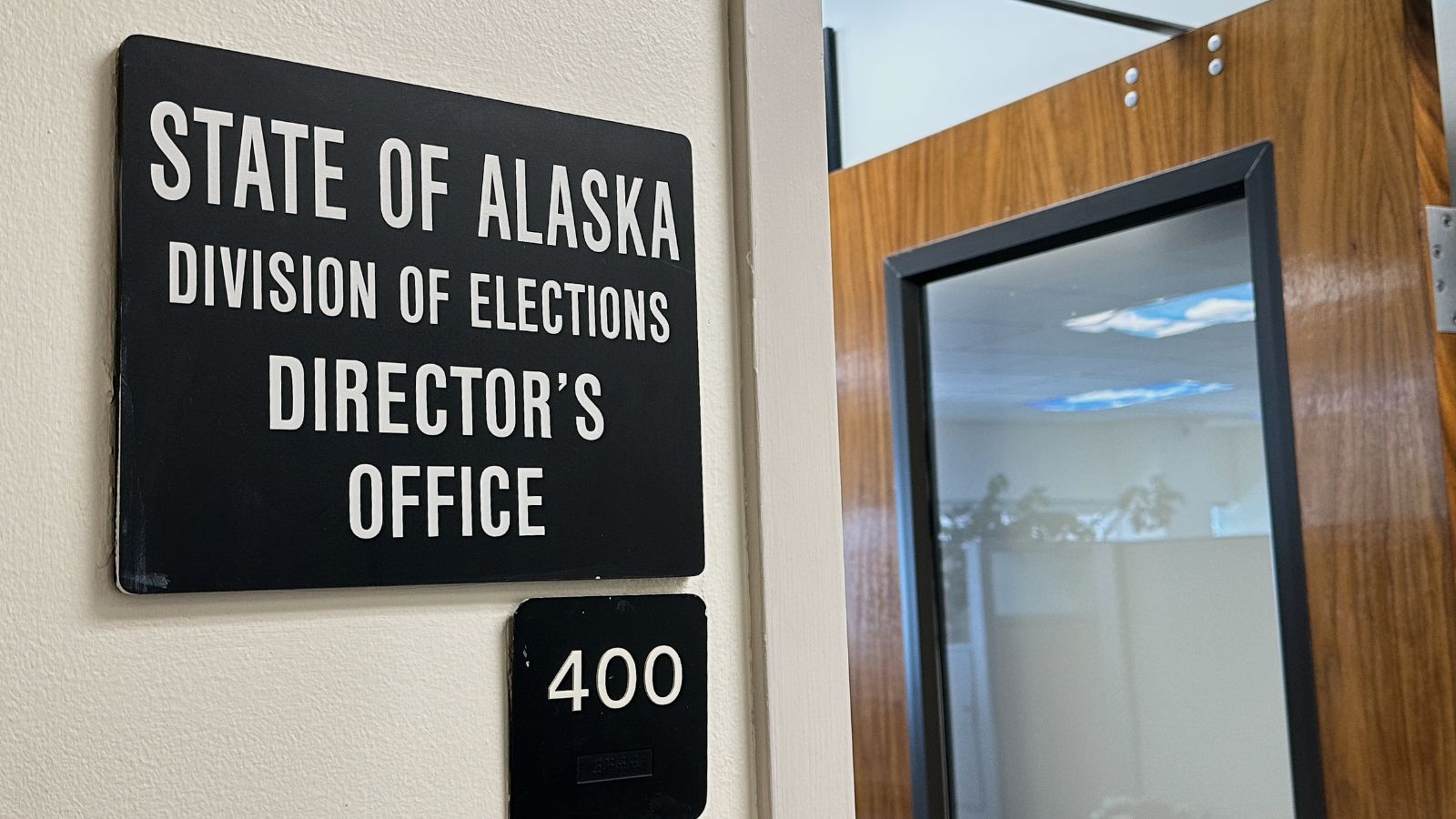
If you're registered to vote in Alaska, you might have recently opened your mailbox to find a alarming letter from the state. It asks you to confirm your U.S. citizenship before you cast a ballot.
You aren't alone. State election officials mailed roughly 3,048 of these citizenship verification notices ahead of the upcoming August primary.
That is fifteen times the volume state agencies normally handle during routine voter list updates. Usually, these checks generate a modest list of about 200 names. This massive jump surprised voters and state lawmakers, leaving many citizens wondering why their right to vote was suddenly flagged.
The Real Cause Behind the Outdated Voter Flags
The surge comes down to a glaring disconnect between government databases.
When the Alaska Division of Elections ran its voter rolls against records from the Division of Motor Vehicles (DMV), old data created a mess. State elections director Carol Beecher explained to lawmakers that the cross-check picked up outdated records.
DMV records show your status at the exact moment you applied for a driver's license or state ID. If you were a permanent resident or visa holder when you got your license five years ago, the DMV system marked you as a non-citizen. Even if you went through naturalization, became a citizen, and registered to vote later, state systems rarely sync automatically.
DMV Record (Non-Citizen on Application Date)
                 │
                 ▼
         [No Automatic Sync] ──► False Flag on Voter Roll
                 ▲
                 │
Elections Record (Naturalized Citizen Registering Later)
The DMV confirmed this gap in a memo following a "non-routine" request from election officials to review over 15,000 files. The agency returned data for anyone whose latest confirmed DMV status wasn't marked as a citizen.
Because state agencies don't talk to each other seamlessly, long-time naturalized citizens ended up with red flags on their accounts. State lawmakers reported that eligible citizens contacted their offices directly after receiving the notices in disbelief.
Are Flagged Voters Disenfranchised
Receiving a verification letter does not mean your vote is canceled.
State officials placed recipient accounts on an "inactive" list, but inactive doesn't mean removed. You can fix your status quickly.
- By Mail, Phone, or Email: You only need to affirm your status with the Division of Elections. The state does not require physical citizenship documents or legal paperwork.
- At the Polls: If you miss the letter and show up on Election Day, you can still vote. Election staff will give you a questioned ballot, allowing you to sign an oath confirming your qualifications before your vote is counted.
The policy aims to protect election integrity without throwing voters off the roll. But critics argue that sending confusing letters right before an election creates unnecessary panic, especially for naturalized Americans who jumped through every legal hoop to earn their voting rights.
Broader Data Sharing and Federal Pressure
This mailing controversy isn't happening in a vacuum. It sits right at the intersection of a heated national debate over voter rolls.
Alaska is among more than a dozen states that agreed to share detailed voter files—including partial Social Security numbers, driver's license numbers, and birth dates—with federal authorities. The data is run through federal checking programs to screen for potential non-citizens. Civil rights groups sued Alaska over the practice, arguing that these federal databases are notoriously outdated and risk sweeping up eligible voters.
Election director Carol Beecher maintained that this specific batch of 3,000 letters resulted purely from state-level DMV matching, not federal directives. Still, the timing aligns with nationwide scrutiny over citizenship claims on voter rolls ahead of major elections.
What You Need to Do If You Receive a Notice
If you get a letter, don't throw it out or panic. Follow these steps to clear your status:
- Respond immediately: Contact the Alaska Division of Elections by phone, email, or mail to confirm your U.S. citizenship.
- Update your DMV profile: The next time you renew your driver's license, make sure your citizenship status is explicitly updated in their system to prevent future algorithmic flags.
- Check your registration online: Use the state's online voter lookup tool to confirm your status is active before heading to your polling place.
If you're an eligible voter, a clerical mismatch between two government servers shouldn't keep you from making your voice heard. Address the notice early so you can cast a standard ballot without extra steps on Election Day.


