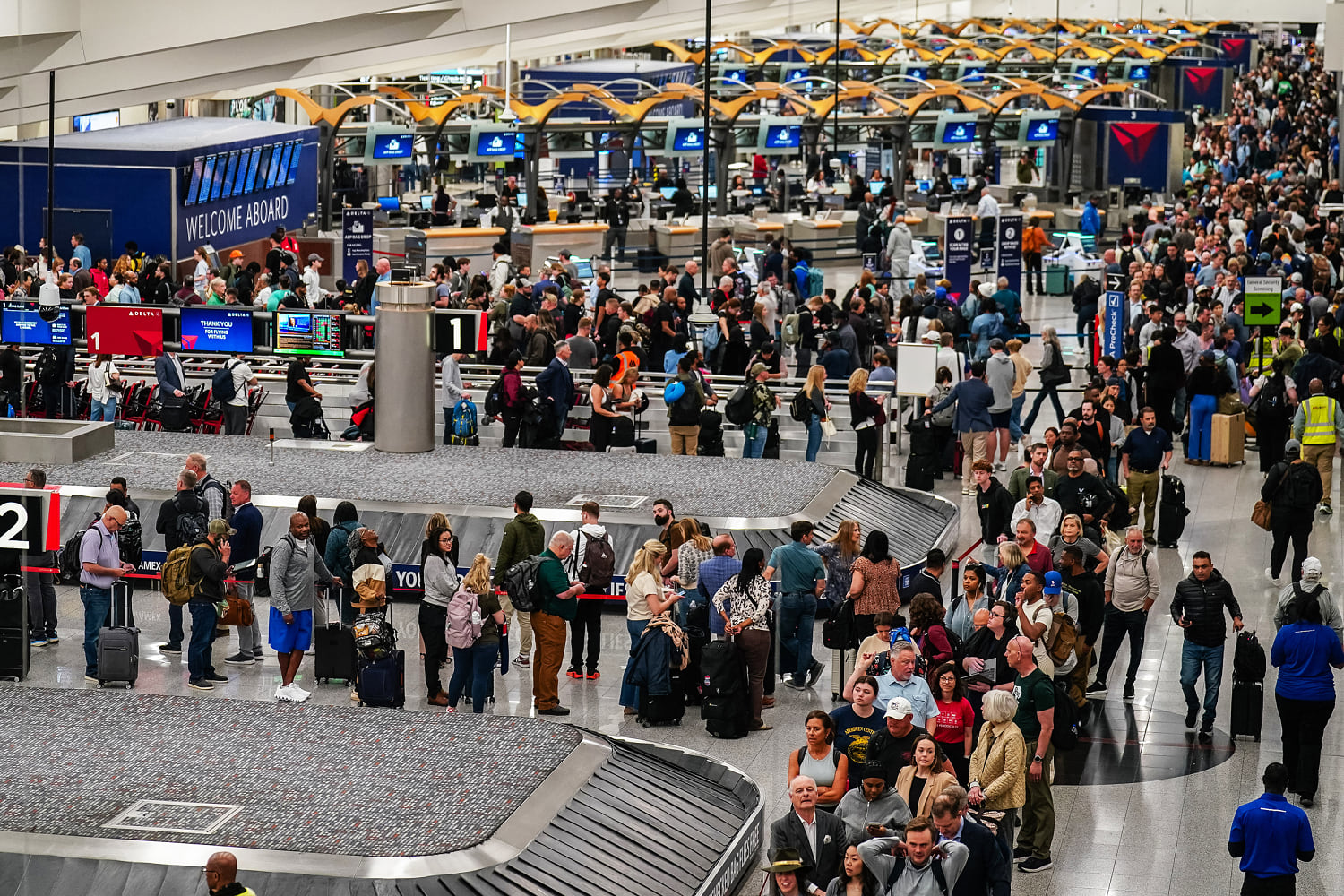
You're standing in a line that snakes past the baggage carousel, out the sliding glass doors, and onto the humid sidewalk of an Atlanta or Houston airport. You've been there since before sunrise. You're going to miss your flight, and you aren't alone. This isn't a fluke or a bad weather day. It’s the result of a high-stakes game of chicken in Washington that just took a bizarre turn.
President Trump has officially rejected every "off-ramp" to fund the Department of Homeland Security (DHS) that doesn't meet his specific demands. Instead of signing a temporary fix to get TSA agents paid, he’s doubling down. Starting today, Monday, March 23, 2026, he’s deploying Immigration and Customs Enforcement (ICE) agents to major airports to "help" with the chaos.
If you think having armed immigration officers managing a TSA line sounds like a recipe for tension, you're right.
The standoff that broke the terminals
The Department of Homeland Security has been partially shut down since February 14. For over five weeks, the people who scan your bags and pat you down—the TSA workforce—have been working for $0. This isn't just a "delayed" paycheck anymore. On Friday, they missed their second full pay cycle.
Predictably, people are quitting.
At least 376 TSA officers have resigned since the pay stopped. Hundreds more are calling out "sick" because they literally can’t afford the gas to drive to the airport or the childcare needed to pull a shift. In Houston (IAH), nearly 70 officers walked away. In Atlanta (ATL), over 50 are gone. When 30% of a security team doesn't show up, checkpoints close. When checkpoints close, 90-minute waits become three-hour nightmares.
Democrats in the Senate offered what they called an "off-ramp"—a bill to fund the TSA specifically so the airports could function while the bigger fight over ICE and border policy continued. Trump said no. He wants the whole DHS funded on his terms, or nothing at all.
Why ICE is showing up at your gate
The White House’s solution to the staffing crisis isn't to pay the people who are already there. It’s to move ICE agents into the terminals. According to "border czar" Tom Homan, these agents are being deployed to 11 major cities, including Chicago and New Orleans.
Here’s the problem. ICE agents aren't trained to run X-ray machines. They aren't certified to detect liquid explosives or identify sophisticated weapon components hidden in a carry-on. Their presence is mostly for "crowd control" and "line management."
- The Optics: You’ll see armed agents in tactical gear standing near the "Remove Your Shoes" signs.
- The Friction: Unions like the AFGE are livid. They argue that putting untrained, armed agents into a high-stress environment with frustrated travelers is a safety risk, not a solution.
- The Intent: The administration says this is about keeping the country moving. Critics, including the ACLU, say it's about using a law enforcement agency as a political tool to pressure Congress.
What’s actually holding up the money
It’s easy to blame "politics," but there are very specific sticking points keeping your plane on the tarmac.
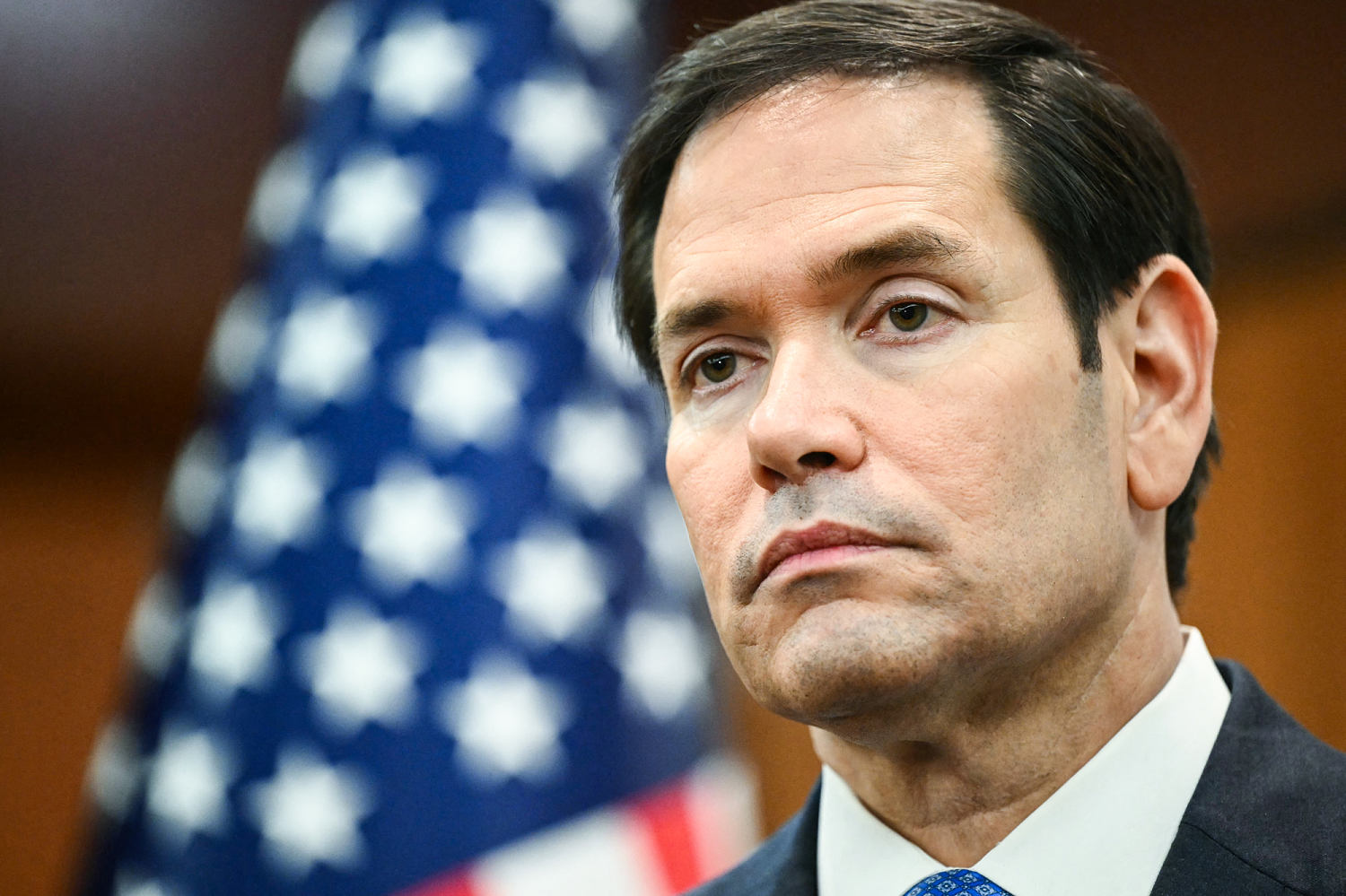
Democrats are refusing to sign a full DHS funding bill unless it includes major reforms for ICE. This stems from the January shootings of Alex Pretti and Renee Good in Minneapolis by federal agents. They want:
- Warrants: Requiring ICE to get a judge's signature before entering a home.
- Identification: Banning agents from wearing masks and requiring visible names/IDs on uniforms.
- Accountability: Stricter use-of-force rules.
Trump and Senate Majority Leader John Thune aren't budging. They view these requirements as "handcuffing" law enforcement. Trump has even tied DHS funding to a demand for new federal voting hurdles, though he’s softened that slightly. Right now, neither side is willing to be the one to blink.
The cost of the wait
This isn't just about your vacation being ruined. The economic ripple effects are getting ugly.
- Flight Delays: Airlines are holding planes at the gate to wait for passengers stuck in security, which throws off the entire national grid.
- Missed Connections: The rate of missed connections has jumped from 1.6% to 8% this week.
- Airline Losses: Carriers like Delta and United are burning millions in overtime and rebooking fees.
If this drags into April, the travel industry is looking at a $180 million weekly loss.
Survival Guide for 2026 Travel
If you have to fly this week, don't rely on the "two-hour rule." It’s dead.
- Arrive early: Three hours is the new minimum for domestic. Four for international.
- Check the apps: Use the MyTSA app, but take the wait times with a grain of salt. They can't always account for a sudden 30% staff call-out.
- Be ready for ICE: Don't be surprised to see immigration agents in the terminal. They aren't there to screen your bags, but their presence is causing extra bottlenecks as people stop to ask questions or express frustration.
- Clear/PreCheck: These lanes are still your best bet, but even they are closing early in cities like Newark and New Orleans because there aren't enough supervisors to man the booths.
Check your flight status before you even leave for the airport. If your local hub is reporting "serpentine lines," try to rebook for a mid-day flight when the "morning rush" staffing gap usually peaks.