The cabin air at thirty thousand feet is not the air of the ground. It is manufactured, squeezed, filtered, and blown through a maze of ducts while the outside world remains a lethal vacuum of absolute cold and crushing pressure. Passengers sleep, read, or stare into the glowing rectangles in their palms. They trust the invisible machinery. They trust the uniform.
Then, the invisible turns heavy.
Imagine a crew member standing in the narrow galley, a familiar route walked a thousand times before. The cart rattles. The coffee pours. Suddenly, a strange smell drifts through the aluminum corridor. It is not smoke. It is not burning rubber. It is something sweet, or oily, or chemical—a ghost scent that defies immediate definition. Within minutes, the head spins. Vision blurs. A sudden, crushing wave of nausea hits the stomach, followed by a terrifying shortness of breath.
This is not a dramatic fiction penned for a thriller. This is the exact, jarring reality faced by individuals aboard commercial flights when sudden medical mysteries unfold mid-flight, forcing pilots to drop thousands of feet in minutes and seek an emergency landing.
The Anatomy of an In-Flight Crisis
When an aircraft diverts, the passenger experience is a study in controlled panic. Oxygen masks drop with a sharp hiss. The engines whine as the nose dips downward, shedding altitude with ruthless efficiency. Announcements from the flight deck are clipped, professional, and carefully drained of panic.
Behind the locked cockpit door, however, the stakes are stark.
Consider the situation faced by flight crews when multiple members begin to fall ill simultaneously. A pilot cannot simply pull over to the shoulder. An aircraft in flight is a closed ecosystem. If the air supply itself becomes compromised, or if an unknown contaminant enters the ventilation system, every person on board shares that exact same atmosphere.
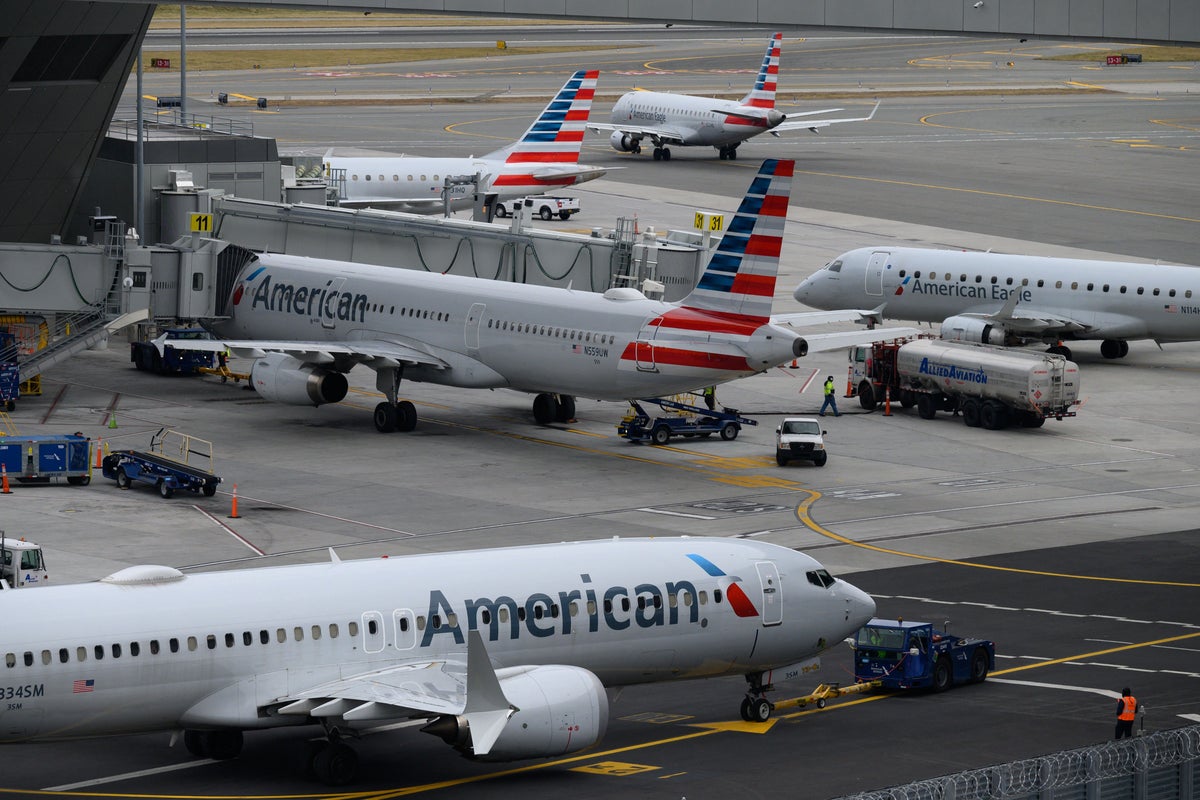
When American Airlines flights or similar carriers experience these sudden, mysterious medical emergencies involving crew members, the immediate protocol is swift. The priority is safety. The plane diverts to the nearest available runway. Fire trucks and ambulances wait on the tarmac with flashing lights, their sirens muted until the wheels touch down.
Yet, the questions remain long after the engines spool down and the passengers disembark into the blinding fluorescence of the terminal.
What happened to the air?
The Hidden Complexity of Cabin Environments
Most travelers assume the air inside a jetliner is pulled straight from the sky outside, compressed, and pumped directly into the cabin. That is only half true.
Jet engines pull in outside air through their compressor stages, a process known as bleed air. This air is hot, compressed, and purified through advanced filtration systems before being mixed with recycled air that passes through high-efficiency particulate air, commonly known as HEPA, filters. These filters are remarkable at trapping bacteria and viruses.
However, questions frequently arise surrounding the rare instances when lubricants or hydraulic fluids leak into the compressor seals, introducing microscopic vapors into the bleed air supply. This phenomenon is often discussed in aviation safety circles under the umbrella of fume events.
When a crew reports feeling mysteriously ill—experiencing dizziness, neurological fog, or respiratory distress—investigators must untangle a web of technical variables. Was it a maintenance anomaly? Was it a localized chemical exposure? Or was it an unexpected intersection of exhaustion, dehydration, and environmental stress acting upon the human body at high altitude?
The human body at cruising altitude is already operating under strain. Cabin altitudes are typically pressurized to the equivalent of six thousand to eight thousand feet above sea level. Oxygen saturation drops. Circulation changes. When an external trigger meets these baseline vulnerabilities, the reaction can be rapid and severe.
The Human Cost Behind the Headlines
News reports love brevity. A headline flashes across a screen: flight diverted, crew sick, passengers delayed.
It is easy to scroll past. It is easy to view these events as mere inconveniences, minor disruptions in a global transit network designed to move millions of bodies from point A to point B before breakfast.
Look closer.
Look at the flight attendant who spent years training for emergency evacuations, fire suppression, and medical crises, now struggling to maintain balance in the aisle while hiding their own physical distress from a planeload of nervous travelers. Look at the passengers who hold their breath as the plane banks sharply, wondering if the news anchor on their phone screen is describing their own flight.
Safety in aviation is not a static destination. It is a continuous, relentless argument against entropy. Every time an emergency landing occurs because a crew falls ill, aviation safety boards dissect the data, analyze the chemical traces, and audit the maintenance logs. Every incident becomes a data point in a grand effort to make the next flight safer than the last.
The doors open. The jet bridge extends. Passengers gather their carry-on bags, eager to escape the confines of the metal tube and touch solid ground. They step out into the noise of the airport, rushing toward rental cars, connecting flights, and waiting families.
Upfront, the emergency responders pack up their gear. The aircraft sits quiet under the terminal lights, an intricate puzzle of wire, steel, and air, waiting for the engineers to trace the invisible scent back to its source, ensuring that the next time the cabin door seals, the air remains clear all the way home.