Air China is finally heading back to New Delhi. After years of quiet runways and limited options for travelers between the two biggest nations on earth, the flag carrier's return marks a massive shift in how you'll move across Asia. If you've been trying to book a flight between India and China recently, you know it’s been a nightmare of expensive layovers in Hong Kong, Bangkok, or Dubai. This move changes that reality. It isn't just about one airline; it’s about the slow, steady repair of a broken travel corridor.
The Return of Direct Wings Between Capitals
The news is straightforward. Air China is getting ready to restart its direct service between Beijing Capital International Airport and Indira Gandhi International Airport in New Delhi. While the exact frequency is still being fine-tuned, the intent is clear. They want back in. For years, the direct connection between these two powerhouses was effectively severed, first by the pandemic and then by the lingering diplomatic frost.
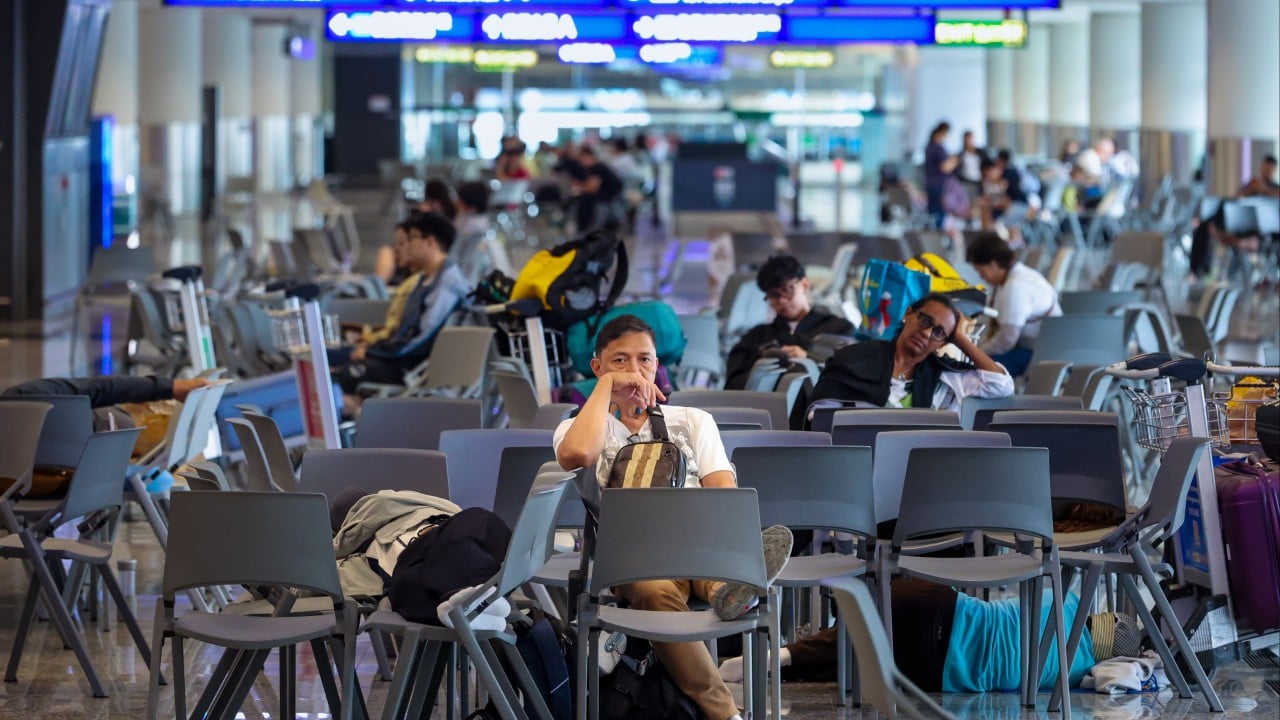
For travelers, this is a relief. Direct flights between Beijing and Delhi used to take roughly six hours. Without them, you're looking at twelve to fifteen hours once you factor in those exhausting transfers. Think about the business travelers who need to be in a meeting by Monday morning or the families who just want to get home without spending a night on a plastic chair in a transit lounge. The return of these flights isn't just a win for the airline’s balance sheet; it’s a win for your sanity.
Why the India China Flight Market Stalled
You might wonder why it took this long. Most of the world returned to "normal" flight schedules by 2023. However, the India-China corridor stayed frozen. It wasn't just about health protocols. Geopolitical tensions played a massive role. Since the border disputes in 2020, direct air connectivity between the two countries dropped to zero for a significant period.
Airlines from both sides were stuck in a holding pattern. While Chinese carriers were eager to resume operations, Indian carriers like IndiGo and Air India remained cautious, citing operational hurdles and a lack of reciprocal demand. But demand didn't vanish. It just got diverted. Third-country carriers—the likes of Thai Airways, Cathay Pacific, and Singapore Airlines—have been raking in the cash by picking up the slack. Air China coming back is the first sign that the direct route is finally becoming viable again from a regulatory and diplomatic standpoint.
Breaking the Monopoly of Layover Flights
Let’s be real. Flying through a third country is a tax on your time and money. When there are no direct flights, the airlines that do fly the route through hubs can charge whatever they want. We've seen economy tickets that used to cost $500 skyrocket to $1,200 or more because there’s no competition.
Air China’s re-entry into the Delhi market will put immediate downward pressure on these prices. It forces the hub airlines to rethink their pricing strategy. Competition is the best friend of the budget-conscious traveler. When you have a direct option, the "convenience fee" for a layover flight disappears. You get to vote with your wallet.
What This Means for Business Travel
Business can't wait for diplomatic perfection. Supply chains between India and China are deeply intertwined, especially in electronics, pharmaceuticals, and heavy machinery. Engineers, auditors, and executives need to be on the ground. For a tech company in Gurgaon or a factory manager in the suburbs of Beijing, the lack of direct flights was a massive logistical bottleneck.
The resumption of flights means more than just passenger seats. It means belly cargo. Every passenger plane carries freight in its lower hold. Resuming these routes increases the speed at which samples, spare parts, and high-value goods move between the two economies. It’s a grease for the wheels of trade that’s been missing for way too long.
Challenges Still Hovering Over the Tarmac
Don't expect everything to go back to 2019 levels overnight. There are still hurdles. Visa processing remains a significant pain point for many. Even if the flights are there, the paperwork needs to follow. Both governments have been slow to ease visa restrictions for each other's citizens compared to their neighbors.
Then there’s the issue of overflight rights. Since the conflict, there have been various restrictions on which airspace can be used by which carriers. This adds time and fuel costs. If Air China has to fly a longer route to avoid certain zones, the ticket prices might stay higher than we'd like. It’s a complex puzzle where the pieces don't always fit.
Looking Beyond Delhi
While New Delhi is the primary focus, the expansion of India-China connectivity shouldn't stop there. Mumbai, Bengaluru, and Kolkata were all major hubs for this traffic in the past. Cities like Shanghai, Guangzhou, and Shenzhen are equally important destinations for Indian traders and students.
If Air China's Beijing-Delhi route proves successful and stays consistent, expect other carriers to follow. China Southern and China Eastern have historically shown interest in the Indian market. On the Indian side, the newly privatized Air India and the rapidly expanding IndiGo are likely watching this development with a hawk's eye. They won't want to leave all that revenue on the table for their Chinese competitors.
Practical Advice for Your Next Trip
If you're planning to take advantage of these new flights, you need a strategy. Don't just jump on the first ticket you see.
- Check the Visa Status First: Ensure you have the latest info on business or tourist visas. The rules change fast, and a flight ticket doesn't guarantee entry.
- Compare the Total Travel Time: Sometimes a slightly more expensive direct flight is cheaper than a "budget" layover once you add in the cost of airport meals and a potential hotel stay.
- Monitor the Schedule: Initial restarts can be shaky. Carriers might fly only twice a week at first. Build some flexibility into your itinerary in case of cancellations.
- Watch the Baggage Policy: Air China has specific rules for international routes that might differ from what you’re used to on domestic Indian carriers.
The return of Air China to Delhi is a signal. It’s a sign that the world is getting a bit smaller again, and the two most populous countries are finding ways to talk through the medium of aviation. It’s about time. Grab your passport, keep an eye on the booking engines, and get ready for a much shorter journey across the Himalayas.
The move likely triggers a domino effect. Once one major player stabilizes the route, the others find it much easier to justify the risk. You should expect more announcements from other airlines in the coming months as they scramble to reclaim their share of the thousands of passengers who make this trip every single week. Book early, stay informed, and enjoy the fact that you won't have to spend your next vacation in an airport transfer lounge.