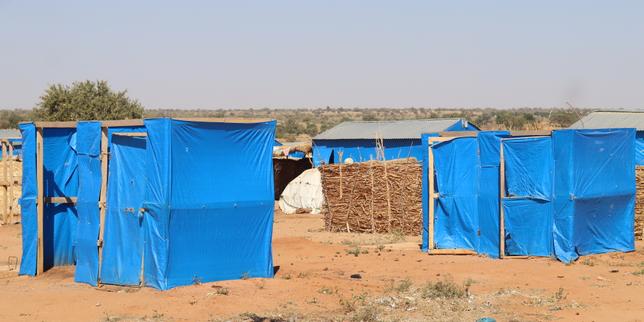
Médecins Sans Frontières has dismissed 18 employees in Chad following an internal investigation into the sexual exploitation and abuse of Sudanese refugees. The international medical humanitarian organization confirmed the terminations after uncovering systemic misconduct within its operations in eastern Chad, where hundreds of thousands of people have sought refuge from the civil war in Sudan. This mass firing exposes a critical failure in humanitarian safeguarding mechanisms. It reveals how vulnerable displaced populations remain exposed to predatory behavior by the very individuals sent to protect them, signaling a deeper accountability crisis within the global aid sector.
The situation in Chad is a grim reminder of a structural vulnerability that the humanitarian sector has failed to eradicate. When millions of fleeing civilians cross borders with nothing but the clothes on their backs, an immediate asymmetry of power is established. Aid workers hold the keys to food, water, medical care, and physical security.
Predators exploit this imbalance.
The Mechanics of Failure in Humanitarian Hubs
The dismissals in Chad did not happen in a vacuum. Eastern Chad has become the epicenter of a massive humanitarian influx, straining resources and forcing aid agencies to scale up operations at breakneck speed. In the rush to deploy personnel to remote border areas like Adré or Farchana, recruitment vetting procedures frequently break down.
Background checks are often bypassed to fill urgent vacancies on the ground. When organizations hire rapidly during an acute emergency, local and international staff are pushed into highly stressful environments with minimal oversight. In these remote outposts, supervisors are frequently overwhelmed by logistical crises, leaving them blind to behavioral red flags.
The reporting mechanisms themselves are fundamentally flawed. For a Sudanese refugee woman living in a makeshift camp, reporting abuse by an aid worker is an extraordinary risk. She faces social stigma within her community, potential retaliation from the perpetrator, and the terrifying prospect of losing access to life-saving medical aid or food rations. When the channels to report abuse are designed by Western headquarters rather than the communities they serve, they remain largely inaccessible. This ensures that by the time an internal investigation yields enough evidence to fire 18 people, the rot has likely been festering for months, if not years.
The Illusion of Zero Tolerance
For decades, the humanitarian sector has chanted the mantra of zero tolerance. Every major non-governmental organization possesses a code of conduct, a safeguarding framework, and a whistleblowing hotline. Yet, these policy documents rarely translate into safety on the ground.
The fundamental problem lies in the structural conflict of interest inherent to NGO self-regulation. Aid agencies rely entirely on donor funding and public goodwill to operate. Admitting that staff members are abusing beneficiaries damages the brand, threatens funding streams, and strains relations with host governments. Consequently, the institutional incentive is to handle these cases quietly.
Dismissal is often the maximum penalty applied. This creates a dangerous loop where abusive personnel are terminated from one organization, only to secure employment at another agency a few months later. Because NGOs fear defamation lawsuits and bureaucratic complications, they rarely pass detailed disciplinary records to competing agencies or local law enforcement. The criminal element of sexual exploitation is scrubbed away, replaced by an administrative exit.
Moving Beyond Bureaucratic Damage Control
If international NGOs want to protect refugees rather than their own reputations, the current playbook must be discarded. True accountability requires dismantling the wall of secrecy that surrounds internal investigations.
First, the sector requires an independent, cross-agency regulatory body with the power to blacklist perpetrators across all humanitarian organizations. Relying on individual agencies to self-police guarantees inconsistent enforcement and continuous cover-ups. A centralized, mandatory registry of individuals terminated for misconduct would prevent predators from hopping between NGOs during humanitarian emergencies.
Second, investigations must be stripped from the control of the compromised organizations. When an allegation surfaces, an external, neutral investigative unit should take over the case immediately. This removes the financial and reputational pressure that tempts managers to minimize or suppress complaints.
Finally, the legal vacuum must be closed. Firing an employee for abusing a refugee is an inadequate response to a crime. NGOs must establish formal protocols to hand over evidence to local judicial authorities or the home countries of international staff.
The expulsions in Chad should not be viewed as a success story of internal policing. They are a stark indictment of a system that allowed eighteen individuals to weaponize life-saving aid against a traumatized population before anyone intervened. The survival of vulnerable people depends on whether the aid sector is willing to prioritize human lives over institutional self-preservation.