The Heavy Weight of a Free Horse
The cardboard box sat on Elena’s kitchen table like a ticking bomb. It was wrapped in heavy brown paper, tied with a frayed piece of kitchen twine, and addressed to her in her grandmother’s looping, elegant script. Elena had spent the last three hours staring at it while her coffee turned to sludge in her mug.
She knew what was inside. It was a hand-cranked pasta maker from the 1970s. Heavy. Solid steel. Entirely useless to a woman living in a studio apartment with a counter the size of a shoebox and a crippling gluten intolerance.
Her grandmother had sent it with the purest intentions, remembering a passing comment Elena had made three years ago about wanting to cook more. It was a grand gesture of love. But as Elena looked at the box, she didn't feel loved. She felt suffocated. She felt the immediate, crushing weight of obligation. She began to calculate the mental real estate this object would occupy. Where would she store it? How often would she have to fake-enthusiastically mention it on their weekly phone calls?
We have all stood over that metaphorical box.
The human reaction to receiving a gift is supposed to be simple joy. Yet, more often than we care to admit, generosity triggers a complex psychological defense mechanism. We instantly look for the catch. We inspect the seams.
In the Spanish-speaking world, this collective anxiety was codified centuries ago into a single, razor-sharp phrase: A caballo regalado no le miren el diente.
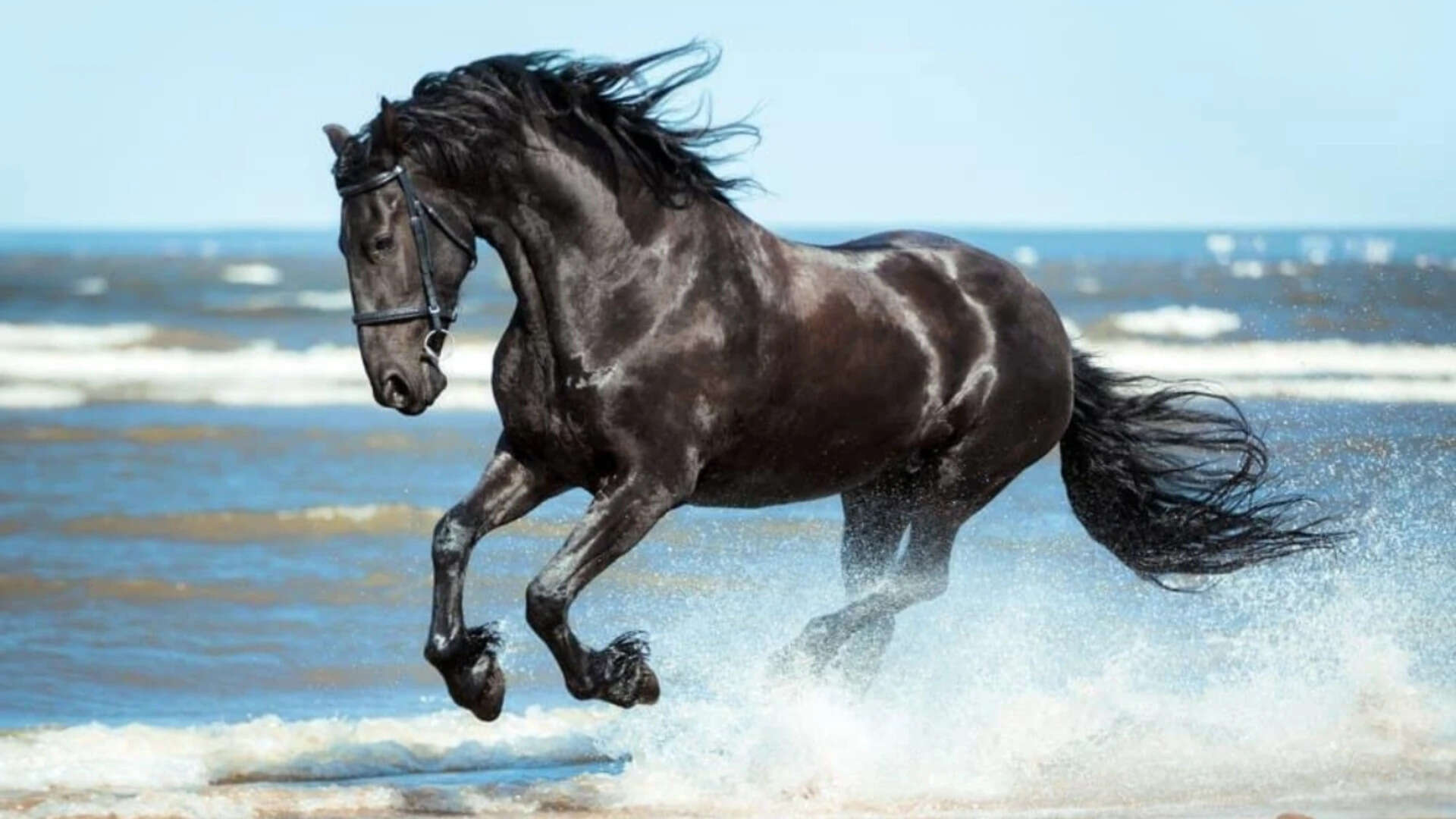
Don’t look at the teeth of a gifted horse.
It is an idiom born from the muddy, practical realities of medieval marketplaces, yet it perfectly diagnoses the modern pathology of gratitude. We are a culture obsessed with transaction. When someone hands us something for free, our first instinct is not to say thank you. Our first instinct is to check the dental work.
The Anatomy of the Inspection
To understand why we ruin our own gifts, you have to understand the horse trade.
Centuries ago, buying a horse was the equivalent of purchasing a used car today. There were a thousand ways to get cheated. A dishonest seller could groom a coat, polish hooves, and use clever tricks to hide a limp. But they could never hide a horse’s teeth.
As a horse ages, its teeth change shape, project forward, and develop distinct wear patterns. By pulling back a horse's lips and examining the incisors, a buyer could immediately determine the animal's true age, health, and economic value. It was the ultimate lie detector test.
But consider the context of the proverb. The horse in question is not a purchase. It is a regalo—a gift.
When you pry open the mouth of a horse that was given to you for free, you are committing a quiet act of emotional violence. You are shifting from the role of a grateful recipient to the role of a cynical auditor. You are measuring the value of the generosity to see if it meets your personal standards.
Consider what happens next: the moment you find a flaw—and if you look hard enough, you will always find one—the magic of the gesture evaporates. The horse is too old. The pasta maker is too heavy. The free advice is too intrusive. The promotion at work comes with too much paperwork.
We do this because our brains are wired for reciprocity. Psychologists have long documented the "reciprocity reflex," a deeply ingrained social contract that dictates when someone does something nice for us, we owe them. A gift breaks the equilibrium of a relationship. It creates an immediate, invisible debt.
By inspecting the gift, by finding its flaws, we subconsciously lower its value. If the horse has bad teeth, it’s not worth as much. If it’s not worth as much, our debt is smaller. We poke holes in people's kindness to protect ourselves from the terrifying vulnerability of owing them anything.
The Ghost of the Ledger
I used to be an expert horse-inspector.
Years ago, a mentor of mine offered to pay for my enrollment in an advanced writing seminar. It was an expensive, exclusive program that I could never have afforded on my own. It was the break of a lifetime.
Instead of celebrating, I spent three days in a state of low-grade panic. I sat on my living room floor, staring at the acceptance email, convinced there was a hidden ledger. What did he want from me? Was he buying my loyalty? Was he going to demand a percentage of my future earnings? Was this a trap to make me feel small?
I dragged that beautiful, magnificent gift into the examination stable. I pried its jaws open. I looked at its teeth. I looked for motives, hidden agendas, and strings attached.
In doing so, I completely missed the point. My mentor didn't want my blood; he wanted to see me grow. He had reached a point in his life where true joy came from lifting others up. By treating his generosity as a suspicious transaction, I insulted his character and poisoned my own experience. I turned an act of grace into a mathematical equation.
We live in a world that conditions us to believe nothing is truly free. We are bombarded by "free trials" that require a credit card number. We see "free gifts" that come with a minimum purchase requirement. We are trained to look for the fine print.
But when we apply that same commercial cynicism to our personal lives, we become impoverished. We build a fortress of skepticism that keeps out the very warmth we are looking for.
Learning to Ride
The wisdom of the Spanish proverb lies in its call for a radical surrender of control.
Accepting a gift gracefully requires a terrifying amount of humility. It requires you to sit with the discomfort of receiving. It forces you to accept that you cannot control the narrative of the relationship through a series of neat, even trades.
What if the horse is old? Ride it anyway. What if it can only plow half a field before it needs to rest? That is still half a field more than you could have plowed yesterday on your own two feet.
When Elena finally cut the twine on that heavy brown box, she didn't find the vintage pasta maker she had been dreading. Instead, she found a handwritten recipe book, filled with her grandmother’s favorite meals, painstakingly adapted using almond flour and gluten-free substitutes. Underneath the notebook lay a small, beautifully crafted wooden salad bowl.
Elena had spent hours rehearsing her defenses, preparing to inspect the teeth of a horse that didn't even exist. She had let her fear of obligation rob her of hours of peace, all because she forgot how to simply open her hands and receive.
The next time someone hands you an unexpected kindness, an unearned opportunity, or a box tied with kitchen twine, resist the urge to look for the flaw. Let the mouth stay closed. Step into the stirrups.